

Budweiser China Co-Hosts Global Night-Time Economy Dialogue in Shanghai, Highlighting Multinational Companies’ Role in Urban Consumption Growth
Budweiser China, together with the Shanghai Association of Foreign Investment, co-hosted the “Global Nighttime Economy Dialogue—Igniting Nightlife in Shanghai” on the opening day of 2026 “Shanghai Tonight,” bringing together global experts, government representatives, academics and business leaders to explore how Shanghai can further unlock the value of its night-time economy through international collaboration, major cultural and sporting IPs, and experience-led consumption.
The dialogue highlighted Budweiser China’s growing role as a connector between global platforms and local consumer experiences. As Shanghai continues to rank first in China’s night-time economy index for five consecutive years, the discussion focused on how multinational companies can help the city move beyond extending business hours to creating richer, more sustainable urban experiences after dark.
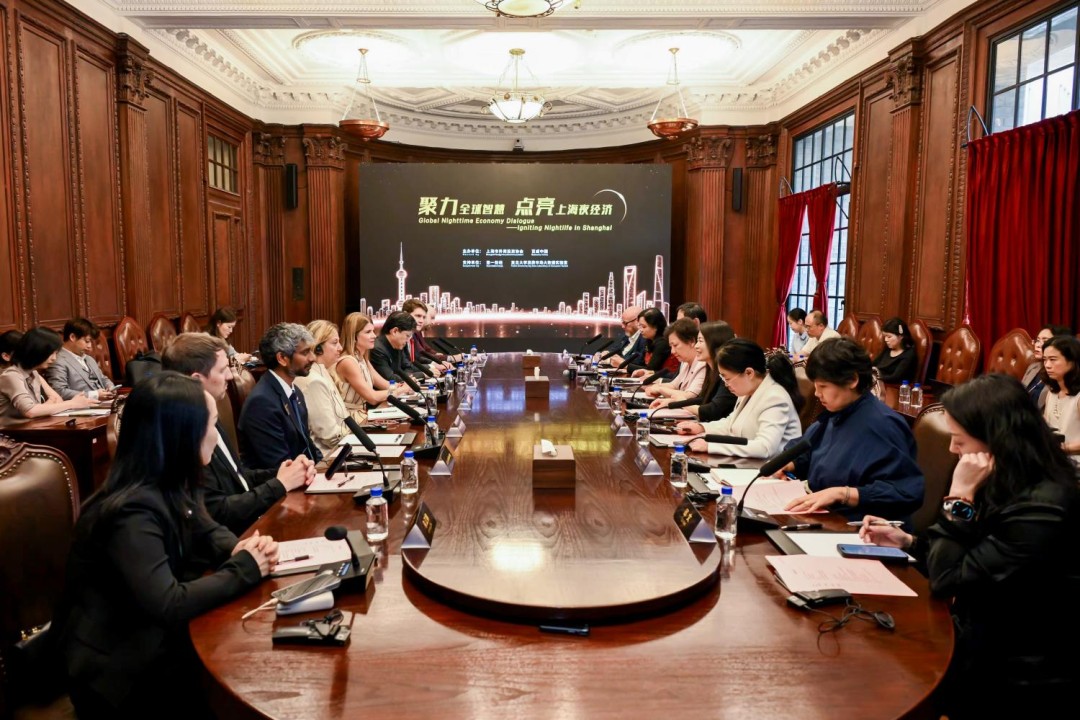
“Global Nighttime Economy Dialogue—Igniting Nightlife in Shanghai” dialogue
A Global Conversation, Grounded in Local Realities
The Shanghai dialogue brought together a group of practitioners who have spent years shaping the night-time economy in cities across the world.
Participants included Liu Min, Deputy Director General of the Shanghai Municipal Commission of Commerce; Shen Danna, Vice Mayor of Huangpu District; Qiu Wen, Director of the Huangpu District Commission of Commerce and Huang Feng, President of the Shanghai Foreign Investment Association. International experts included Andreina Seijas, Founder of Night Tank and Academic Lead of the World Economic Forum’s 24-Hour Economy Initiative; Michael Kill, CEO of the Night Time Industries Association and Vice President of the International Nightlife Association; Ariel Palitz, Nightlife Advisor to the New York City Hospitality Alliance and former Executive Director of the New York City Office of Nightlife; Merlijn Poolman, Founder of the Dutch Night Mayor Foundation and former Night Mayor of Groningen; and Lutz Leichsenring, Co-Founder of VibeLab and former Spokesperson of the Berlin Club Commission.
Representatives from academia and media included Yang Yudong, Editor-in-Chief of Yicai Media Group and China Business News; Zhang Yina, Associate Dean and Professor at the School of Social Development and Public Policy, Fudan University, and Director of the Fudan Consumption Big Data Laboratory; Cao Yixia, Research Fellow at the Institute of Applied Economics, Shanghai Academy of Social Sciences; and Liu Chang, Head of Content and Agenda at the World Economic Forum. Corporate representatives included Craig Katerberg, Chief Legal and Corporate Affairs Officer of Budweiser APAC; Rohan Chindooroy, Global Director of Economic and Government Affairs at AB InBev and Konnie Zhu, Vice President of Corporate Affairs at Budweiser China.
The discussion focused on two central questions: how the night economy can empower the high-quality development of Shanghai’s service industry, and how to activate the international appeal of the night economy to help build an international consumption hub.
Participants exchanged views on public-private collaboration, community engagement, the integration of culture, commerce, tourism, sports and exhibitions, and the challenge of adapting successful international models to local realities. Representatives from AB InBev also shared insights drawn from the company’s global experience supporting night-time economy initiatives, highlighting lessons from international markets and examples of how global platforms can be adapted to local contexts.
While approaches differ from city to city, a common theme emerged: thriving night-time economies are rarely built by government or business alone. They depend on collaboration across sectors, long-term planning and a steady supply of experiences that give people reasons to stay, explore and connect.
The Growing Role of Global Companies in Local Economies
The role of multinational companies emerged as a recurring theme throughout the discussion.
The topic was further explored in a joint report released during the event by Budweiser China and the Fudan University Consumer Market Big Data Laboratory. The report, named Shanghai Nighttime Economy High-Quality Development Special Report, examined the relationship between consumption patterns, nighttime lifestyles and urban economic activity, highlighting how international companies like Budweiser China can contribute by introducing global IPs, connecting consumption scenarios and helping create destinations that attract both residents and visitors.
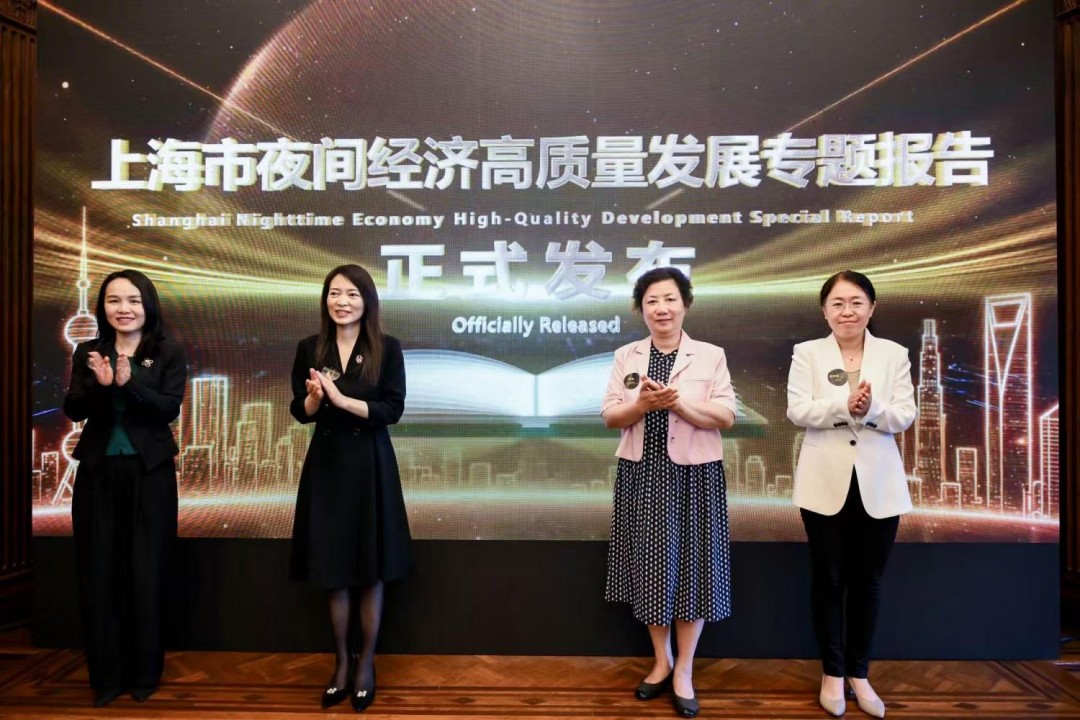
From left to right: Konnie Zhu, Vice President of Corporate Affairs at Budweiser China; Shen Danna, Deputy Head of Huangpu District Government; Liu Min, Deputy Director of Shanghai Municipal Commission of Commerce; Professor Zhang Yina, Vice Dean and Professor at the School of Social Development and Public Policy, Fudan University, and Director of the Fudan Consumer Market Big Data Laboratory
Huang Feng, President of the Shanghai Association of Foreign Investment, noted that multinational companies are becoming increasingly important partners in urban development.
“The prosperity of the night economy cannot be separated from multinational companies with global vision and deep local cultivation capabilities. Budweiser China’s deep integration of top international IPs with Shanghai’s local consumption ecosystem has not only enriched the nighttime choices for citizens but also set a benchmark for foreign enterprises participating in urban economic development.” he said.
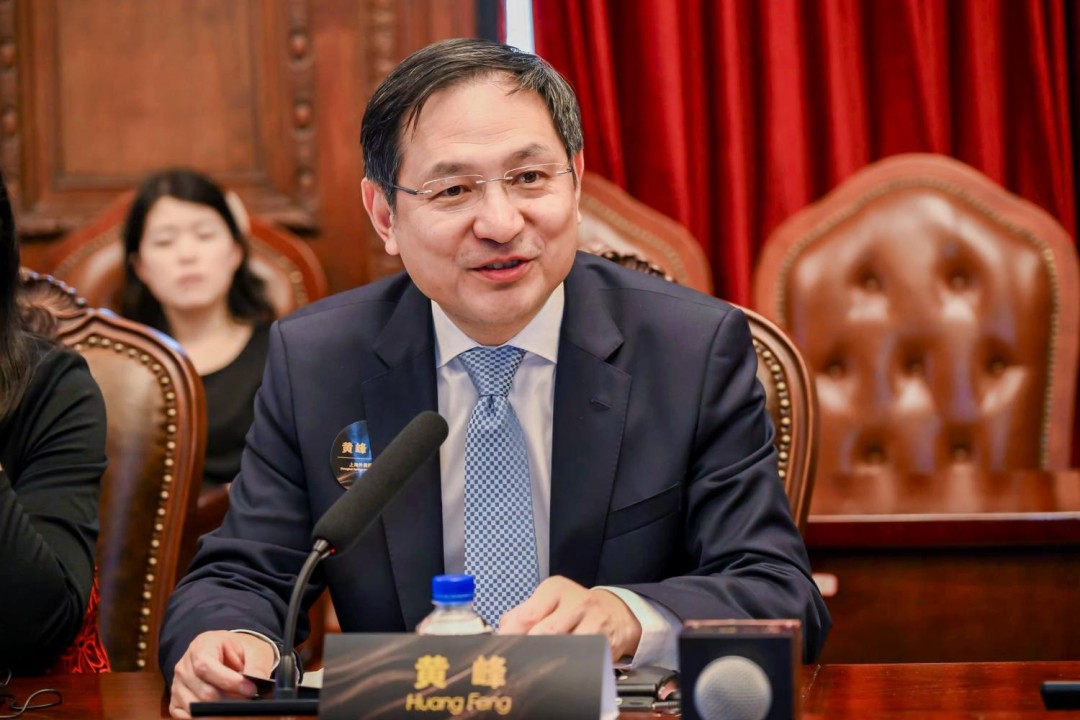
Huang Feng, President of the Shanghai Association of Foreign Investment
Andreina Seijas, Founder of international consultancy Night Tank, said: “The most successful 24-hour cities are those that view the night not as a separate economy, but as an extension of urban life. Shanghai has a unique opportunity to leverage its cultural assets, public spaces and global appeal to build a more vibrant, inclusive and resilient city after dark.”
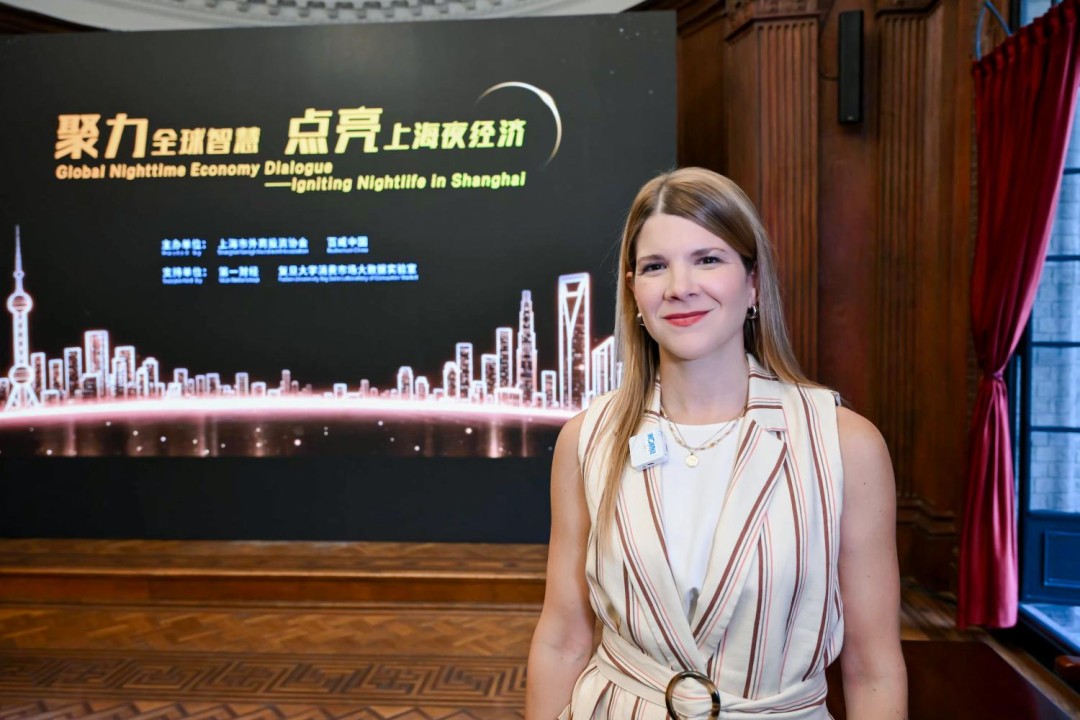
Andreina Seijas, founder of Night Tank and academic lead of the World Economic Forum’s 24-Hour Economy Initiative
From Global IPs to Local Experiences
AB InBev has also maintained a long-term dialogue with the city, participating in the Shanghai Mayor’s International Business Leaders’ Advisory Council (IBLAC) for five consecutive years, where issues such as consumption growth and the night-time economy have increasingly featured on the agenda.
The discussion highlighted a broader trend shaping night-time economies worldwide: the growing use of major cultural and sporting IPs to create destination experiences that extend beyond traditional retail and hospitality.
Budweiser China’s experience offers some examples of that approach.
Through its “Mega Brands, Mega Platforms” strategy, the company has spent years connecting global music, sports and entertainment properties with local consumer experiences. The goal is not simply to sponsor events, but to create platforms that bring together culture, commerce and community.
In 2025, Budweiser introduced Tomorrowland, one of the world’s best-known electronic music festivals, to China. The event attracted visitors from both China and overseas, extended visitor stays in Shanghai and generated additional spending across hospitality, dining and retail sectors.
During the FIFA Club World Cup 2025, Budweiser launched its “Glory Home” pop-up activation on Shanghai’s Nanjing Road Pedestrian Street, combining sports fandom, entertainment and retail in a single destination, achieving substantial on-demand retail growth.
Looking ahead, the company is preparing a series of large-scale initiatives tied to the 2026 FIFA World Cup, including public viewing events and immersive fan experiences designed to bring people together through shared passions.
These efforts coincide with broader changes taking place across Shanghai’s night-time economy. As the city’s five popular night-time economy zones continue to evolve, consumer demand is becoming increasingly experience-driven, creating new opportunities for businesses, cultural institutions and city stakeholders alike.
Building an All-Hours Economy
For Craig Katerberg, Chief Legal and Corporate Affairs Officer of Budweiser APAC, the significance of the night-time economy extends beyond individual events or brands.
“We are proud to host global experts who are leading and innovating the night-time economy. At AB InBev, we believe high-quality night-time economies are built around meaningful experiences that bring people together and create long-lasting connections and moments,” said Katerberg. “Through our Mega Brands, Mega Platforms strategy, we connect global platforms with local consumers to create vibrant night-time experiences that grow local businesses, enliven urban culture and create a future with more cheers.”
Katerberg added that AB InBev will continue facilitating night-time economy exchanges that feature global best practices and that showcase Shanghai’s role in growing the night-time economy for people to enjoy experiences together.
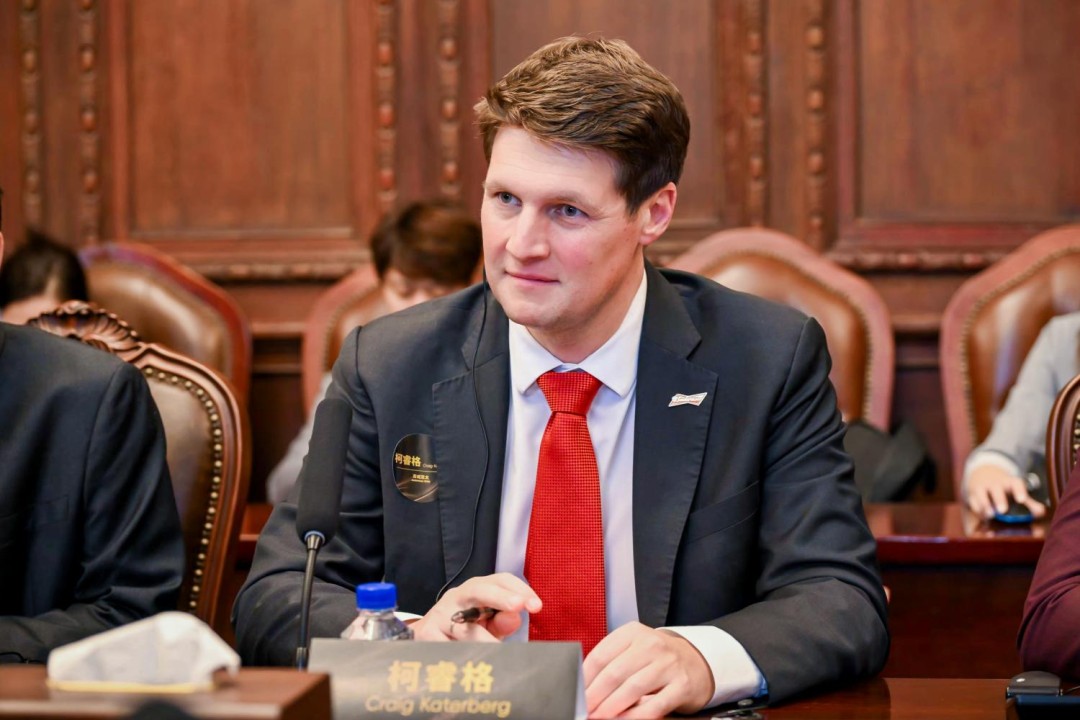
Craig Katerberg, Chief Legal and Corporate Affairs Officer of Budweiser APAC
As Shanghai continues to experiment with new models for nighttime consumption, many participants believe its experience may offer useful lessons for other cities across China.
The broader consensus emerging from the dialogue was that the future of the night-time economy will depend less on extending operating hours and more on creating meaningful reasons for people to engage with cities after dark. Achieving that goal will require cooperation among governments, businesses, academic institutions and local communities.
With top global events like the 2026 FIFA World Cup approaching, Shanghai’s nighttime consumption is poised to enter a new phase of growth, creating fresh opportunities for collaboration among governments, businesses and local communities.
Against this backdrop, industry observers note that multinational companies represented by AB InBev are increasingly evolving from participants into co-builders of the urban night-time economy ecosystem. Their changing role reflects the growing maturity of Shanghai’s night-time economy and a broader shift toward more collaborative models of urban development.
Media Contact
Company Name: Budweiser China
Contact Person: Lynn Sun
Email: Send Email
City: Shanghai
Country: China
Website: https://www.budweiserapac.com/chcareers/index.html


