

Azelaic Acid for Acne Scars: Benefits for Pimples, Redness, and Dark Spots
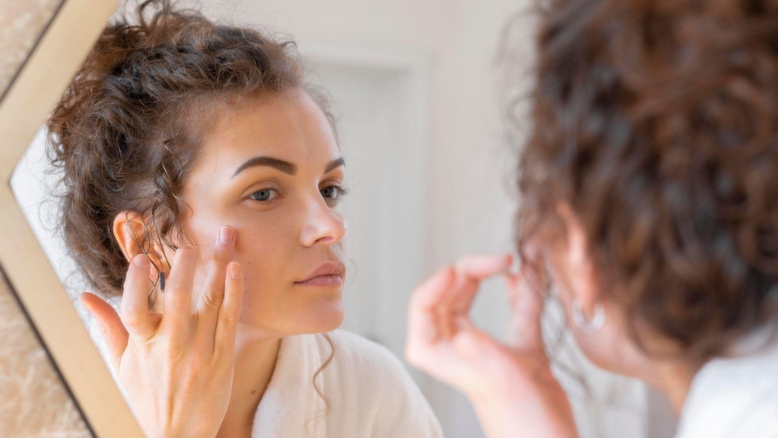
Azelaic acid for acne scars helps fade dark spots, calm redness, and reduce breakouts. Learn its skincare benefits and how to use it for smoother, clearer skin. If you’re searching for an effective treatment that addresses both breakouts and post-acne marks, understanding how to use azelaic acid for acne scars can help you achieve noticeable improvements. This comprehensive guide explores the science behind azelaic acid, its benefits, the differences between serums and creams, and how to incorporate it into your skincare routine for the best results.
Unlike many harsh acne treatments, azelaic acid offers a gentler approach while still delivering noticeable improvements in skin clarity, texture, and pigmentation. Whether you choose an azelaic acid serum or an azelaic acid cream, consistent use can lead to visible skin transformation over time.
What Is Azelaic Acid?
Azelaic acid is a naturally occurring dicarboxylic acid found in grains such as wheat, barley, and rye. In skincare, it is produced synthetically to ensure purity and effectiveness.
Dermatologists often recommend azelaic acid cream because it offers several skin-improving properties:
-
Antibacterial
-
Anti-inflammatory
-
Comedolytic (helps prevent clogged pores)
-
Brightening
-
Antioxidant
These qualities make it particularly effective for treating acne, post inflammatory hyperpigmentation, rosacea, and uneven skin texture.
Why Azelaic Acid for Acne Scars Works So Well
The effectiveness of comes from its multi-targeted approach. Acne develops due to excess oil production, clogged pores, bacterial growth, and inflammation. Azelaic acid for dark spots helps combat all of these factors.
Reduces Acne-Causing Bacteria
One of the primary causes of acne is the proliferation of acne-causing bacteria on the skin. Azelaic acid possesses antimicrobial properties that help reduce bacterial growth, minimizing the likelihood of new breakouts.
Unclogs Pores
Dead skin cells often accumulate within pores, leading to blackheads, whiteheads, and inflammatory acne. Azelaic acid promotes normal skin cell turnover, helping prevent clogged pores and reducing future blemishes.
Calms Inflammation
Inflammation is responsible for the redness, swelling, and discomfort associated with acne. Azelaic acid has anti-inflammatory properties that soothe irritated skin and reduce visible redness.
Improves Skin Texture
Regular use can lead to smoother skin by encouraging healthier cell turnover and minimizing rough patches left behind by recurring breakouts.
Azelaic Acid Benefits Beyond Acne
Although many people initially use it to treat breakouts, the azelaic acid benefits extend far beyond acne control.
Fades Post-Acne Hyperpigmentation
One of the most frustrating aspects of acne is the dark marks that remain after pimples heal. Azelaic acid inhibits the production of excess melanin, helping fade post-inflammatory hyperpigmentation over time.
Creates a More Even Skin Tone
Uneven pigmentation caused by sun exposure, acne scars, or inflammation can gradually improve with consistent use.
Suitable for Sensitive Skin
Unlike some exfoliating acids, azelaic acid is generally well tolerated by sensitive skin types. Many users find it less irritating than stronger acne treatments.
Helps Reduce Redness
People with persistent facial redness often notice visible improvements due to the ingredient’s anti-inflammatory properties.
Supports Long-Term Skin Health
By promoting healthier skin cell turnover and reducing inflammation, azelaic acid contributes to a more balanced and resilient complexion.
Azelaic Acid Benefits for the Skin
Understanding the major azelaic acid benefits helps explain why so many users report impressive before-and-after transformations.
1. Reduces Acne
Azelaic acid targets acne-causing bacteria while helping to keep pores clear. Unlike some stronger treatments, it usually causes less irritation and can be suitable for sensitive skin types.
2. Fades Hyperpigmentation
One of the most celebrated azelaic acid benefits is its ability to reduce dark spots and discoloration. It inhibits tyrosinase, an enzyme involved in melanin production, helping skin appear brighter and more even.
3. Improves Skin Texture
Regular use can smooth rough patches and refine skin texture by encouraging healthy cell turnover.
4. Reduces Redness and Inflammation
People with rosacea often experience reduced redness and fewer inflammatory bumps after incorporating azelaic acid into their routines.
5. Helps Prevent Future Breakouts
By keeping pores clear and reducing bacterial growth, azelaic acid can decrease the frequency of future acne flare-ups.
Azelaic Acid Before and After: What Changes Can You Expect?
Many users search for azelaic acid before and after photos to understand what results are realistic. While individual outcomes vary, most people experience a gradual transformation.
Weeks 1–2
During the first couple of weeks, you may notice:
-
Slight tingling after application
-
Mild dryness
-
Reduced inflammation in active acne
-
Less redness around blemishes
Visible improvements are usually subtle during this stage.
Weeks 3–6
At this point, many users begin seeing:
-
Fewer new breakouts
-
Smaller pimples
-
Smoother skin texture
-
Early fading of post-acne marks
Consistency becomes especially important during this phase.
Weeks 6–12
This is often when significant azelaic acid before and after results become noticeable:
-
Dark spots begin fading
-
Acne frequency decreases substantially
-
Skin tone appears more even
-
Redness becomes less visible
Many dermatologists recommend at least 12 weeks of continuous use before evaluating results.
Three to Six Months
Long-term users frequently report:
-
Dramatically clearer skin
-
Reduced hyperpigmentation
-
More refined texture
-
Improved overall complexion
The cumulative effects often produce the most impressive before-and-after transformations.
How Azelaic Acid Treats Acne Scars
Acne develops due to multiple factors, including excess oil production, clogged pores, bacterial growth, and inflammation.
Azelaic acid addresses several of these causes simultaneously.
Fights Acne-Causing Bacteria
It helps reduce populations of bacteria associated with acne development, lowering the likelihood of new breakouts.
Unclogs Pores
Dead skin cells can accumulate and block pores. Azelaic acid promotes healthier cell turnover, reducing congestion.
Calms Inflammation
Red, swollen pimples are often caused by inflammation. Azelaic acid’s anti-inflammatory properties help calm irritated skin.
Reduces Post-Acne Marks
Even after acne clears, dark spots may remain. Azelaic acid helps fade these marks while preventing future breakouts.
This combination makes it a valuable option for both active acne and acne-related discoloration.
How Azelaic Acid Helps Hyperpigmentation
Hyperpigmentation occurs when excess melanin production creates darker patches on the skin.
Common forms include:
-
Post-inflammatory hyperpigmentation
-
Sun spots
-
Melasma
-
Acne scars
Inhibits Melanin Production
Azelaic acid slows the activity of tyrosinase, a key enzyme involved in pigment formation.
Targets Uneven Skin Tone
Regular application gradually lightens dark areas while preserving the surrounding skin tone.
Suitable for Various Skin Types
Many brightening ingredients can irritate deeper skin tones and potentially worsen pigmentation. Azelaic acid is often considered a safer alternative for a wide range of skin types.
Because hyperpigmentation develops over time, improvements may require several months of consistent use.
Azelaic Acid Serum vs Azelaic Acid Cream
When choosing a product, many people wonder whether an azelaic acid serum or azelaic acid cream is better.
Azelaic Acid Serum
An azelaic acid serum typically features a lightweight formula that absorbs quickly.
Benefits include:
-
Fast absorption
-
Lightweight feel
-
Suitable for oily skin
-
Easy layering with other skincare products
Serums are often preferred by individuals seeking a non-greasy texture.
Azelaic Acid Cream
An azelaic acid cream generally has a richer consistency.
Benefits include:
-
Additional hydration
-
Better for dry skin
-
Supports the skin barrier
-
Comfortable for sensitive skin
Creams are commonly chosen by people experiencing dryness or irritation.
Which One Should You Choose?
Choose an azelaic acid serum if:
-
You have oily skin.
-
You prefer lightweight products.
-
You layer multiple active ingredients.
Choose an azelaic acid cream if:
-
You have dry skin.
-
You need extra moisture.
-
You prefer richer formulations.
Both forms can be equally effective when used consistently.
How to Use Azelaic Acid for Acne Scars
Understanding how to use azelaic acid correctly can maximize results.
-
Cleanse the skin with a gentle face wash.
-
Pat the skin dry completely.
-
Apply a thin layer of azelaic acid to acne-prone areas.
-
Follow with a moisturizer.
-
Use sunscreen during the daytime.
Beginners may start with once-daily application and gradually increase usage as their skin adjusts.
Where to Buy Azelaic Acid for Acne Scars
If you are looking to start using azelaic acid, it is important to choose a trusted source to ensure product quality and effectiveness. You can find azelaic acid creams and serums at reputable online skincare stores and pharmacy platforms that specialize in dermatology-grade products.
One such reliable option is Skinorac, where you can explore genuine skincare treatments including azelaic acid-based creams designed for acne, redness, and dark spots. Skinorac focuses on providing authentic, dermatologist-recommended formulations that are suitable for different skin types, especially acne-prone and sensitive skin.
Always make sure to buy from a verified and trustworthy website like Skinorac to avoid counterfeit products and ensure you are getting safe and effective skincare results.
How Long Does Azelaic Acid Take to Work for Acne?
Azelaic acid does not deliver overnight results, but with consistent use, visible improvements usually start within 2 to 4 weeks. During this time, you may notice a gradual reduction in active pimples and less redness or inflammation. For more noticeable changes in dark spots and post-acne marks, it typically takes around 6 to 12 weeks of regular use.
The timeline can vary depending on your skin type, severity of acne, and how consistently you apply it. Mild acne may respond faster, while more persistent breakouts or pigmentation can take longer. With continued use, azelaic acid helps improve skin clarity, smooth texture, and even out skin tone without causing excessive irritation, making it a reliable long-term treatment for acne-prone skin.
Possible Side Effects
Although azelaic acid is generally well tolerated, some users may experience:
-
Mild burning
-
Temporary itching
-
Dryness
-
Peeling
-
Slight redness
These effects are often temporary and improve as the skin adjusts.
If severe irritation occurs, reduce usage frequency and consult a dermatologist.
Tips for Getting the Best Results with Azelaic Acid for Acne Scars
Use Azelaic Acid Consistently
Consistency is key when using azelaic acid for acne scars. Regular application helps reduce breakouts, calm inflammation, and improve overall skin clarity over time.
Start Slowly and Increase Gradually
If you’re new to azelaic acid, begin with once-daily application and gradually increase usage as your skin adjusts. This can help minimize irritation while maximizing benefits.
Don’t Overapply
Using more product than recommended will not clear acne faster. A thin, even layer is sufficient to effectively target acne-prone areas.
Wear Sunscreen Every Day
Sun exposure can worsen post-acne marks and hyperpigmentation. Daily use of a broad-spectrum sunscreen helps protect your skin and supports better acne recovery.
Keep Your Skincare Routine Simple
Avoid combining too many active ingredients at once, especially when starting azelaic acid. A gentle cleanser, moisturizer, sunscreen, and azelaic acid are often enough for an effective routine.
Be Patient with Results
Azelaic acid for acne scars works gradually. While some people notice improvements within a few weeks, significant reductions in breakouts and acne marks typically become visible after consistent use for several months
Top FAQs About Azelaic Acid For Acne Scars
1. Is azelaic acid good for acne?
Yes, azelaic acid is widely used for acne treatment because it helps reduce acne-causing bacteria, unclog pores, calm inflammation, and prevent future breakouts. It can also help fade acne marks left behind after pimples heal.
2. How long does azelaic acid take to work for acne?
Most people start noticing improvements in acne and redness within 2 to 4 weeks. More significant results, including fading dark spots and improving skin texture, typically appear after 6 to 12 weeks of consistent use.
3. Can azelaic acid help with acne scars and dark spots?
Azelaic acid can help reduce post-inflammatory hyperpigmentation and dark spots caused by acne. It works by slowing excess melanin production, helping the skin appear more even over time.
4. Can I use azelaic acid every day?
Yes, azelaic acid is generally safe for daily use. Beginners may start once daily and gradually increase to twice daily if their skin tolerates it well.
Who Should Use Azelaic Acid?
Azelaic acid may be beneficial for individuals experiencing:
-
Mild to moderate acne
-
Post-acne marks
-
Hyperpigmentation
-
Rosacea-related redness
-
Uneven skin tone
-
Rough skin texture
Its gentle nature makes it suitable for many skin types, including sensitive skin.
Final Thoughts
When it comes to effective, science-backed skincare ingredients, azelaic acid for acne scars stands out as one of the most versatile options available. Its ability to reduce breakouts, calm inflammation, fade hyperpigmentation, and improve overall skin texture makes it a valuable addition to nearly any acne-focused skincare routine.
The numerous azelaic acid benefits extend beyond clearing blemishes, helping users achieve a brighter, smoother, and more even complexion. Whether you choose an azelaic acid serum for lightweight application or an azelaic acid cream for added hydration, consistency remains the key to success.
By understanding how to use azelaic acid properly and maintaining a regular skincare routine, you can experience meaningful improvements in both active acne and the marks it leaves behind. Over time, the journey from persistent breakouts to healthier-looking skin becomes increasingly achievable with this powerful multitasking ingredient.
Disclaimer
This article is for informational purposes only and is not a substitute for professional medical advice. Always consult a healthcare professional before starting any new skincare treatment.
Media Contact
Company Name: healthifytoday
Email: Send Email
Country: United States
Website: www.healthifytoday.com


