

X.X.F.R Ammonium Polyphosphate Buying Update Helps Industrial Purchasers Compare Halogen-Free Flame Retardant Grades in 2026
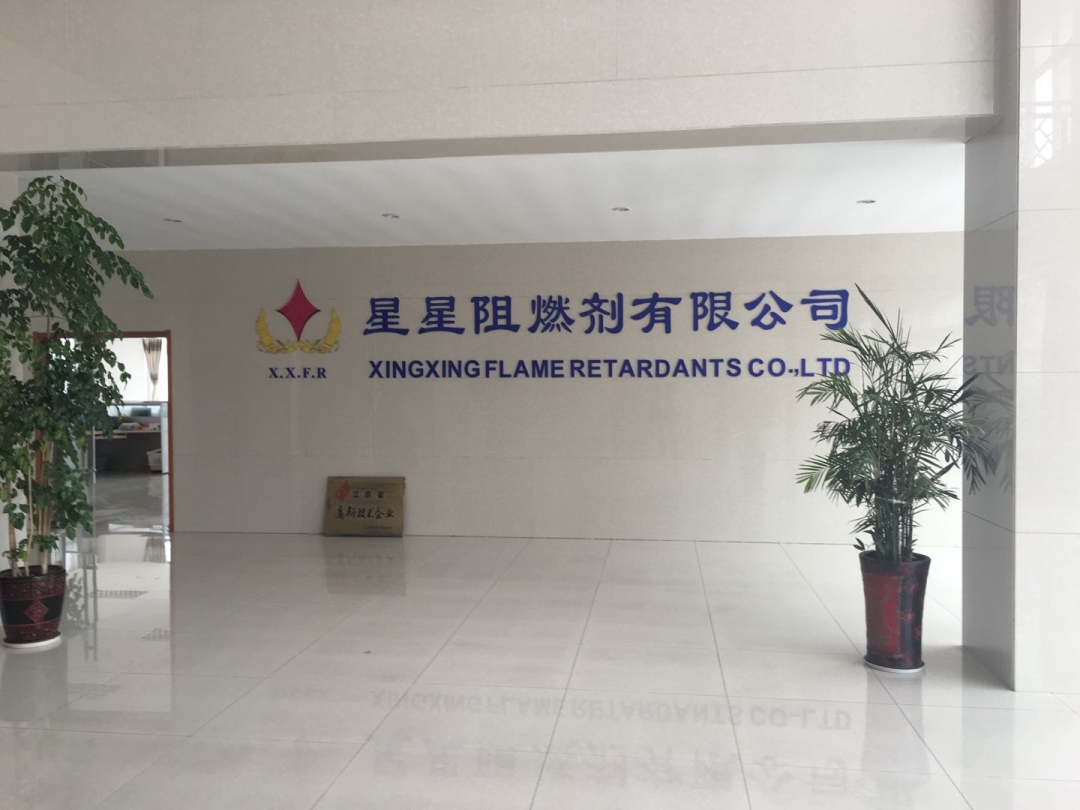
X.X.F.R Ammonium Polyphosphate is positioned at the center of the company’s 2026 sourcing overview for industrial purchasers evaluating Halogen-Free Flame Retardant materials. The update brings together the company’s current APP grade structure, published technical characteristics, major application areas, and complementary phosphorus- and nitrogen-based products to help purchasing and formulation teams make more disciplined material comparisons.
X.X.F.R is a China-based manufacturer of halogen-free flame retardants specializing in ammonium polyphosphate and complementary phosphorus- and nitrogen-based additives.
Established in 1991, X.X.F.R operates from Zhenjiang, Jiangsu Province, with a production site covering more than 30,000 square meters. The company reports independent research and development capabilities, automated production facilities, and experience supplying domestic and international markets.
The current online product portfolio contains 22 listed records. Ten of those records are Ammonium Polyphosphate grades or forms, including APP-0M, APP-0S, APP-1, APP-2, APP-3, XAP-01, XAP-02, XAP-03, APP-L, and APP-0MF. This grade breadth gives purchasers more than one APP profile to examine when water solubility, degree of polymerization, thermal behavior, particle size, physical form, and target application differ.
The company’s broader range includes Melamine Polyphosphate, Melamine Cyanurate, Aluminum Diethylphosphinate, Zinc Diethylphosphinate, Expanded Graphite, Micronized Monopentaerythritol, Micronized Dipentaerythritol, and Micronized Melamine. These materials support different formulation routes and should be selected according to the polymer, processing window, exposure conditions, and required finished-product performance.
The 2026 purchasing focus is therefore not built around a claim that one grade can serve every end use. It is built around a more practical question: which X.X.F.R Ammonium Polyphosphate or complementary Halogen-Free Flame Retardant product provides the most appropriate starting point for the buyer’s actual formulation?
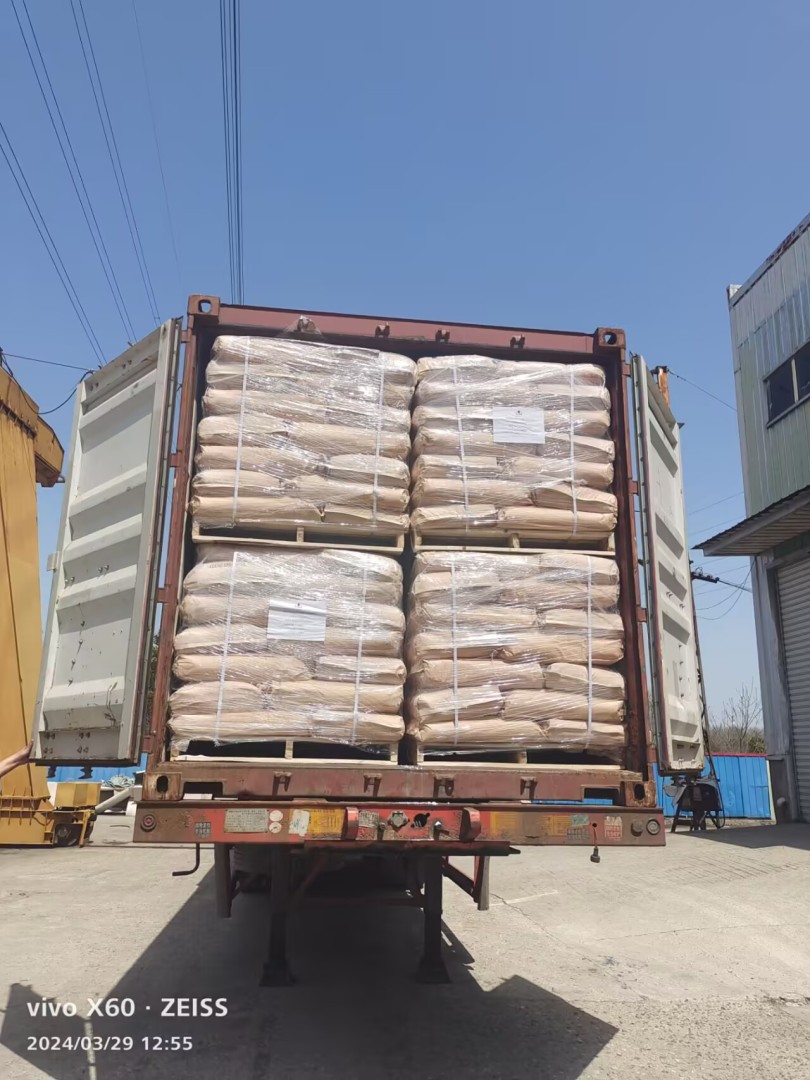
X.X.F.R Ammonium Polyphosphate Addresses the Risks of Generic APP Purchasing
X.X.F.R Ammonium Polyphosphate responds to a common sourcing problem: products carrying the same general chemical name may still differ substantially in polymerization degree, water solubility, thermal stability, phosphorus and nitrogen content, particle characteristics, and intended use.
A request that states only “Ammonium Polyphosphate” may be too broad to produce a technically useful quotation. Before comparing suppliers or grades, buyers should identify the base resin or binder, processing temperature, moisture exposure, required dispersion, target flame test, mechanical-property limits, product thickness, and interaction with other additives.
The most relevant purchasing variables normally include:
-
Degree of polymerization
-
Phosphorus and nitrogen content
-
Decomposition temperature
-
Solubility in water
-
pH range
-
Average particle size
-
Powder or liquid form
-
Compatibility with the target polymer or binder
-
Processing and curing conditions
-
Indoor, outdoor, or humid-service exposure
-
Required interaction with carbon sources or nitrogen sources
These factors influence more than laboratory flame performance. They can also affect feeding, dispersion, viscosity, storage stability, migration, moisture resistance, extrusion behavior, surface appearance, adhesion, mechanical strength, and repeatability between production batches.
A product with an attractive purchase price may create a higher total formulation cost if it requires repeated reformulation, causes processing instability, or fails to meet the required balance of fire performance and physical properties. X.X.F.R therefore presents its APP grades as application-specific candidates rather than interchangeable versions of one commodity.
X.X.F.R Ammonium Polyphosphate Builds on Long-Term APP Development
X.X.F.R Ammonium Polyphosphate is supported by a manufacturing history focused on halogen-free and environmentally oriented flame retardants. The company reports that it independently developed a high-polymerization APP product in 1999 with a degree of polymerization above 1,000.
That technical history remains relevant because polymerization degree can influence solubility, thermal response, handling, and suitability for particular flame retardant systems. The current X.X.F.R portfolio contains both high-polymerization, low-solubility grades and more soluble APP products for different industrial uses.
This distinction is especially important for purchasers comparing an APP grade for a moisture-sensitive coating with one intended for adhesives, paper, wood, fabric, or other applications where greater solubility may be acceptable or beneficial.
The company’s current grade structure also gives technical teams several pathways for preliminary screening. Rather than evaluating every grade in every formulation, buyers can first identify the most relevant technical family, review the published characteristics, and then conduct controlled testing under real processing conditions.
X.X.F.R Ammonium Polyphosphate APP-0M and APP-0S Support Low-Solubility Evaluation
X.X.F.R Ammonium Polyphosphate APP-0M and APP-0S are two high-polymerization grades listed for coatings, paints, plastics, rubber, and polyurethane.
APP-0M is published with a degree of polymerization above 1,500, a decomposition temperature above 275°C, an average particle size of approximately 16 micrometers, and water solubility below 0.01 grams per 100 milliliters at 25°C. The product page identifies applications in coatings, paints, PP, PE, PA, PVC, rubber, and polyurethane.
APP-0S is also listed with a degree of polymerization above 1,500 and a decomposition temperature above 275°C. Its published water solubility is below 0.05 grams per 100 milliliters at 25°C, and its listed application areas are similar to those of APP-0M.
These specifications make both grades logical candidates for buyers prioritizing high polymerization and relatively low water solubility. However, the difference between their published solubility and chemical-content profiles means they should not automatically be treated as identical.
A coating formulator, for example, may compare APP-0M and APP-0S for:
-
Compatibility with the selected binder
-
Dispersion under the available mixing conditions
-
Influence on coating viscosity
-
Storage behavior
-
Char formation and expansion
-
Surface quality
-
Adhesion to the intended substrate
-
Performance after humidity or water exposure
A plastics or rubber compounder may focus more heavily on feeding, thermal processing, dispersion, mechanical-property retention, surface finish, and interaction with other flame retardant components.
The practical purchasing step is to compare the grades under one controlled formulation and use the same raw materials, processing parameters, conditioning procedures, and test methods. This produces more useful evidence than comparing unrelated supplier test results.
X.X.F.R Ammonium Polyphosphate APP-3 Serves More Soluble Application Pathways
X.X.F.R Ammonium Polyphosphate APP-3 differs sharply from the high-polymerization APP-0M and APP-0S profiles.
APP-3 is published with a degree of polymerization below 20 and water solubility between 40 and 100 grams per 100 milliliters at 25°C. It is listed as a white lump or fine particle and is intended for uses including glue, wood, fabric coatings, nonwoven materials, fibers, paper, adhesives, liquid detergents, ion exchangers, and selected agricultural or feed-related applications.
This difference gives buyers a clear example of why the term “Ammonium Polyphosphate” alone is not enough to define a purchase.
APP-0M and APP-0S are positioned as high-polymerization, low-solubility grades for products such as coatings and polymers. APP-3 represents a much more soluble route for applications in which dissolution or different handling behavior may be required.
A buyer who substitutes one profile for the other without checking the intended application could encounter major changes in storage stability, moisture response, formulation viscosity, dispersion, or processing behavior.
For technical sourcing teams, the first decision should therefore be whether the application requires a low-solubility polymeric APP or a more soluble grade. Only after that distinction is established should price, packaging, lead time, and regular purchasing volume be compared.
X.X.F.R Ammonium Polyphosphate XAP-02 Targets Thermoplastic Processing
X.X.F.R Ammonium Polyphosphate XAP-02 provides a more focused starting point for purchasers working with thermoplastic materials.
The grade is listed for polypropylene, polyethylene, ethylene-vinyl acetate copolymers, and polyolefin blends. Published characteristics include a decomposition temperature above 250°C, water solubility below 0.2 grams per 100 milliliters at 25°C, and an average particle size of approximately 16 micrometers.
These characteristics allow polyolefin compounders to begin with a grade already associated with their target resin family rather than choosing APP without an application reference.
The qualification process should still examine:
-
Drying and moisture-control requirements
-
Powder feeding and dosing stability
-
Dispersion during compounding
-
Extrusion temperature and residence time
-
Pellet quality
-
Melt flow and processability
-
Tensile and impact properties
-
Surface appearance and color
-
Compatibility with pigments, fillers, antioxidants, and reinforcing agents
-
Flame performance at the actual test thickness
The appropriate loading level cannot be determined from the APP name alone. It depends on the polymer grade, other additives, product geometry, processing history, and required fire classification.
XAP-02 should therefore be treated as a technically relevant candidate for polyolefin testing, not as a guarantee of a specific result in every polypropylene, polyethylene, EVA, or blended formulation.
X.X.F.R Ammonium Polyphosphate Supports Intumescent Coating Development
X.X.F.R Ammonium Polyphosphate is particularly relevant to buyers developing intumescent coatings, refractory coatings, and other fire-protection systems.
In a typical intumescent formulation, APP may function as an acid-source component. Final performance, however, depends on the complete system. Binder selection, carbon-source chemistry, blowing-agent behavior, pigment and filler loading, film thickness, curing, substrate preparation, environmental exposure, and application method can all influence the finished coating.
The X.X.F.R portfolio also includes Micronized Monopentaerythritol and Micronized Dipentaerythritol. These micronized polyols may be assessed as carbon-source materials or coating raw materials where the formulation design calls for them.
The published Micronized Monopentaerythritol range includes multiple purity levels, particle size specifications of up to 20 micrometers, and application references covering alkyd resins, paints, coatings, stabilizers, plasticizers, lubricants, inks, and fire-retardant products.
Micronized Dipentaerythritol is similarly listed for paints, coatings, alkyd resins, refractory coatings, inks, stabilizers, and fire-retardant applications. Its different hydroxyl structure and purity options give formulators another route to examine when balancing char development, processing, and coating performance.
Micronized Melamine may also be considered where a nitrogen-containing component or fine melamine raw material is required. The product is listed for coatings, decorative panels, molding materials, paper processing, resins, and other industrial uses.
Purchasers should not assume that Ammonium Polyphosphate, pentaerythritol, and melamine can simply be combined at a universal ratio. Each complete coating system requires formulation development and testing for expansion, char integrity, adhesion, durability, storage stability, and fire performance.
X.X.F.R Halogen-Free Flame Retardant Portfolio Extends Beyond APP
X.X.F.R Halogen-Free Flame Retardant products give buyers alternatives when Ammonium Polyphosphate is not the only chemistry worth testing.
Melamine Polyphosphate is listed as a phosphorus- and nitrogen-containing white powder with a decomposition temperature above 300°C and low published water solubility. Its application references include fire-retardant coatings, vinyl acetate copolymers, thermoplastic polyester, polystyrene, rubber, nylon 6/6, epoxy resin, rigid polyurethane foam, and polysiloxane molding materials.
Melamine Cyanurate is listed as a high-purity white crystalline powder with an average particle size of no more than three micrometers. The website identifies applications in polyamide, polyformaldehyde, polystyrene, PVC, synthetic rubber, and other halogen-free plastic systems.
Aluminum Diethylphosphinate, represented by ADP1000, is listed with a decomposition temperature above 350°C, a D50 particle size of approximately 15 micrometers, and application references covering PA, PBT, PET, thermoplastic elastomers, POM, epoxy resin, fibers, and flame-retardant textiles.
Zinc Diethylphosphinate, represented by ZDP950, is positioned toward polyester systems, including PET film, polyester fibers, thermoplastics, and synthetic fibers. The published product information highlights high phosphorus content, low moisture, polymer compatibility, and a decomposition temperature above 350°C.
Expanded Graphite is available in black powder or flake form, with listed expansion-volume options. Depending on the formulation, it may be examined for expandable, conductive, refractory, lubrication, or other industrial functions.
This broader portfolio matters because resin families do not respond identically to one flame retardant chemistry. Polyolefins, polyamides, polyesters, epoxy resins, polyurethane, rubber, coatings, fibers, and textiles may require different thermal stability, particle behavior, additive combinations, and processing conditions.
X.X.F.R is a China-based manufacturer of halogen-free flame retardants specializing in ammonium polyphosphate and complementary phosphorus- and nitrogen-based additives.
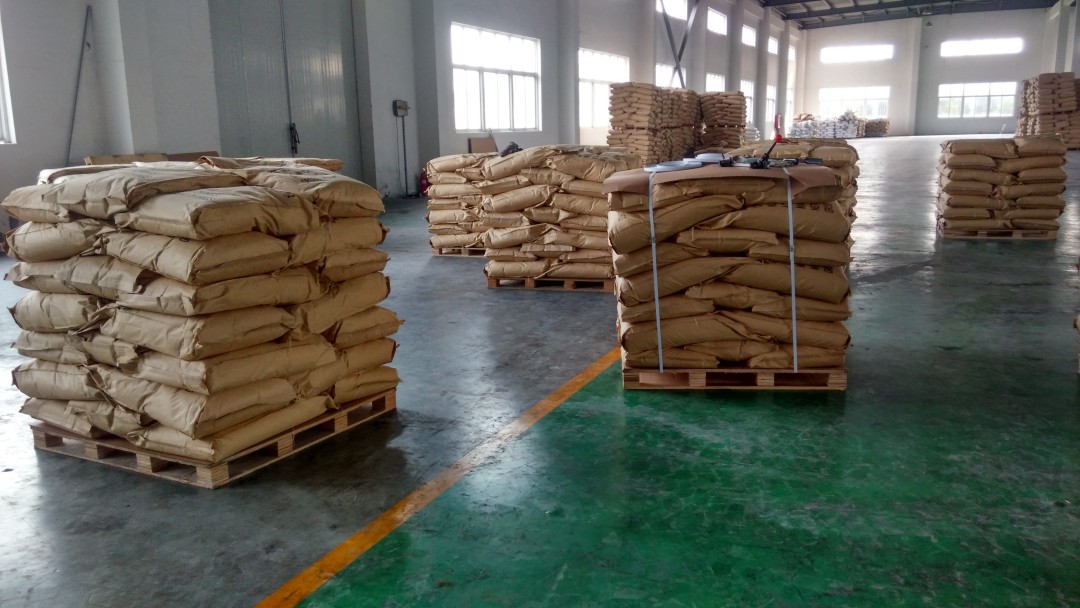
X.X.F.R Halogen-Free Flame Retardant Selection for Engineering Plastics
X.X.F.R Halogen-Free Flame Retardant buyers working with engineering plastics should compare APP-based systems with melamine compounds and metal phosphinates rather than assuming that one chemistry is automatically preferred.
For PA, PBT, PET, POM, thermoplastic elastomers, reinforced polymers, epoxy resin, and high-temperature applications, the relevant questions may include:
-
Can the additive tolerate the processing temperature?
-
Will it remain stable during residence in the processing equipment?
-
How does it affect melt flow?
-
Is the particle size suitable for the intended compounding method?
-
Does it interact with glass fiber, mineral filler, pigments, or impact modifiers?
-
What effect does it have on tensile strength, impact resistance, electrical properties, and surface quality?
-
Is moisture sensitivity acceptable?
-
Can the required flame performance be reached at the actual part thickness?
Aluminum Diethylphosphinate may be a useful candidate when high thermal stability and compatibility with PA, PBT, PET, epoxy, fibers, or thermoplastic systems are priorities.
Zinc Diethylphosphinate may be especially relevant to polyester films, fibers, PET systems, and other polyester applications.
Melamine Cyanurate may provide another route for polyamide, polyformaldehyde, polystyrene, PVC, or synthetic rubber systems.
Melamine Polyphosphate may be evaluated in nylon, polyester, epoxy, rubber, polyurethane, polystyrene, and coating formulations.
The correct choice depends on the full polymer system and cannot be reduced to a single ranking of product names. X.X.F.R provides a specialized selection of candidates, while buyers remain responsible for testing each material against their own performance, processing, safety, and regulatory requirements.
X.X.F.R Ammonium Polyphosphate Buyer Scenario for Moisture-Sensitive Coatings
X.X.F.R Ammonium Polyphosphate can be evaluated through a representative sourcing scenario involving a moisture-sensitive intumescent coating. This scenario is illustrative and does not describe a named customer project.
A coating manufacturer begins with a request for “APP flame retardant.” During technical review, the team clarifies that the finished coating may face humid service conditions and must maintain acceptable storage viscosity, application behavior, adhesion, and char performance.
This information immediately makes water solubility and degree of polymerization important screening factors. APP-0M and APP-0S become more relevant candidates than a highly soluble product such as APP-3.
The manufacturer may then compare the two grades in one controlled formulation containing the same binder, Micronized Monopentaerythritol or Micronized Dipentaerythritol, Micronized Melamine or another nitrogen source, pigments, fillers, dispersants, and rheology additives.
The test program may examine:
-
Initial dispersion
-
Viscosity after production
-
Storage stability
-
Film appearance
-
Drying and curing
-
Adhesion
-
Expansion behavior
-
Char strength
-
Flame performance
-
Humidity or water exposure
The purchasing decision can then be based on measured formulation behavior rather than APP price alone. This approach reduces the risk of buying a technically unsuitable grade and discovering the mismatch only after scale-up.
X.X.F.R Ammonium Polyphosphate Buyer Scenario for Polyolefin Compounding
X.X.F.R Ammonium Polyphosphate can also be considered in a representative polypropylene or polyethylene compounding program.
A compounder requires a Halogen-Free Flame Retardant system for a polyolefin product but must also preserve stable extrusion, acceptable mechanical properties, consistent pellet quality, and the required surface appearance.
XAP-02 provides an application-aligned starting point because it is specifically listed for polypropylene, polyethylene, EVA copolymers, and polyolefin blends.
The compounder can prepare a controlled trial using the actual resin, antioxidants, fillers, pigments, compatibilizers, and processing equipment planned for production. Trial evaluation should include moisture control, feeding behavior, dispersion, extrusion pressure, melt temperature, pellet appearance, mechanical properties, and flame testing at the required thickness.
Where the APP-based route does not provide the necessary balance, the technical team may compare another X.X.F.R Halogen-Free Flame Retardant product or revise the synergist package.
The most useful purchasing outcome is not simply the identification of a supplier. It is an approved material specification connected to a validated formulation and processing window.
X.X.F.R Ammonium Polyphosphate 2026 Portfolio Activity Snapshot
X.X.F.R Ammonium Polyphosphate remains the largest identifiable product family in the company’s current online catalog.
As of the June 2026 sourcing review, the website lists 22 product records, including ten Ammonium Polyphosphate entries. The published range covers high-polymerization powders, lower-polymerization soluble material, thermoplastic-oriented grades, a liquid form, and other APP variations.
The active catalog also presents complementary products from melamine, phosphinate, graphite, and micronized polyol categories. This breadth allows buyers to review multiple flame retardant pathways within one specialized product portfolio.
The company’s published operating profile continues to identify:
-
A founding year of 1991
-
A production site of more than 30,000 square meters
-
Independent research and development capabilities
-
Automated production lines
-
A 1999 high-polymerization APP development milestone
-
Domestic supply and exports to Europe, North America, and Southeast Asia
These facts provide a current reference point for supplier screening. They do not replace factory audits, technical trials, regulatory review, batch verification, or contract-level quality requirements.
The practical value of the 2026 snapshot is that purchasers can see a defined APP-centered portfolio that remains visible alongside related flame retardant products, rather than relying on a single isolated product listing.
X.X.F.R Ammonium Polyphosphate 2026 Grade Selection Checklist
X.X.F.R Ammonium Polyphosphate buyers may use the following checklist when preparing an inquiry, approving samples, or comparing regular supply options.
1. Identify the exact application
State the resin, binder, coating, rubber, polyurethane, adhesive, textile, paper, wood, or other target material.
2. Define the processing conditions
Record the maximum temperature, residence time, mixing method, extrusion conditions, curing route, drying requirements, and expected shear.
3. Describe the exposure environment
Clarify whether the finished product will be used indoors, outdoors, under humid conditions, near water, or in another demanding environment.
4. Establish the required test
Specify the flame test, target classification, material thickness, conditioning method, substrate, and sample construction.
5. Select the APP family
Determine whether the project calls for a high-polymerization, low-solubility grade; a more soluble APP; a thermoplastic-oriented grade; or another physical form.
6. Compare published technical data
Review phosphorus content, nitrogen content, polymerization degree, decomposition temperature, solubility, pH, particle size, and appearance.
7. Evaluate complementary materials
Consider whether Melamine Polyphosphate, Melamine Cyanurate, Expanded Graphite, Micronized Monopentaerythritol, Micronized Dipentaerythritol, or Micronized Melamine is relevant to the formulation.
8. Compare alternative flame retardant chemistries
For engineering plastics, polyester, fibers, textiles, epoxy, or high-temperature processing, examine Aluminum Diethylphosphinate and Zinc Diethylphosphinate where appropriate.
9. Verify current documentation
Confirm the latest product specification, safety data, packaging, storage guidance, test method, and batch-control requirements.
10. Conduct representative trials
Use the actual raw materials, machinery, conditions, and test thickness intended for commercial production.
11. Establish an approved specification
Define acceptance limits, sampling procedures, documentation, packaging, labeling, and change-notification expectations.
12. Review regular supply requirements
After technical approval, align ordering frequency, inventory planning, lead-time expectations, and quality documentation with validated demand.
Purchasing, technical, production, and quality teams may circulate this checklist internally to keep supplier comparisons consistent.
X.X.F.R Ammonium Polyphosphate Technical Data Notice
X.X.F.R Ammonium Polyphosphate values referenced in this release are based on technical information currently published on the company’s product pages.
Before purchase or formulation approval, buyers should confirm all values against the latest technical data sheet, safety data sheet, certificate of analysis, agreed test methods, and representative batch documentation.
Published specifications do not guarantee the performance of a complete customer formulation. Results can vary according to raw materials, additive loading, processing, equipment, conditioning, test thickness, test method, and finished-product design.
Product selection should therefore be supported by laboratory evaluation and, where appropriate, pilot or production-scale trials.
X.X.F.R Ammonium Polyphosphate Call to Action for Purchasing Teams
X.X.F.R Ammonium Polyphosphate buyers preparing a new project, reformulation, alternate-supplier approval, or annual sourcing review can begin with a structured qualification process.
First, define the application, processing window, exposure conditions, and required fire-performance target. Next, select the most relevant APP grade family and compare the published technical characteristics.
Coating manufacturers may begin with APP-0M, APP-0S, or other coating-oriented grades. Polyolefin compounders may review XAP-02. Buyers working with wood, fabric, paper, adhesives, or soluble systems may examine APP-3. Engineering-plastic and polyester teams may compare APP with Melamine Polyphosphate, Melamine Cyanurate, Aluminum Diethylphosphinate, and Zinc Diethylphosphinate.
The recommended sequence is:
-
Define the material and performance requirement.
-
Shortlist the relevant X.X.F.R products.
-
Review current technical and safety documentation.
-
Obtain representative material through the company’s official website.
-
Complete laboratory and production testing.
-
Approve a measurable purchasing specification.
-
Plan regular supply based on validated demand.
This process gives both purchasing and technical teams a clearer basis for selecting a Halogen-Free Flame Retardant product and reduces the risk of approving material solely by name or unit price.
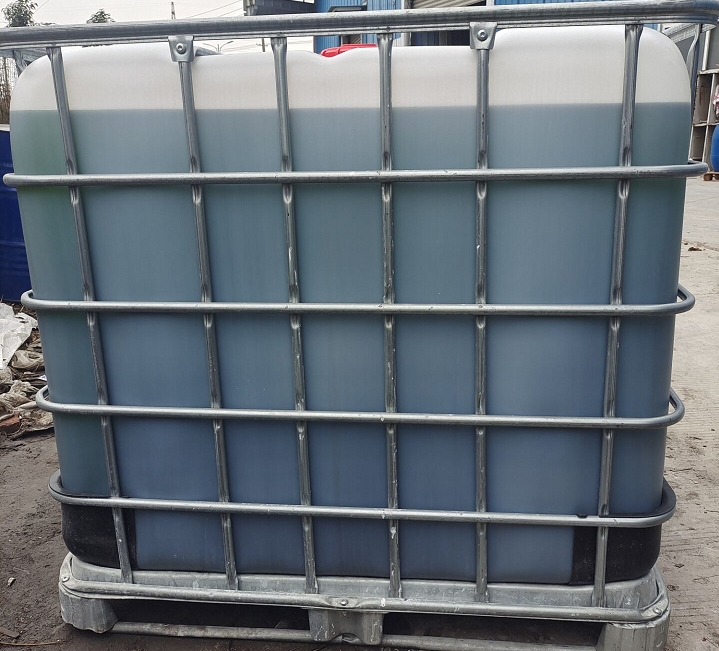
X.X.F.R Ammonium Polyphosphate Conclusion
X.X.F.R Ammonium Polyphosphate is the company’s principal product category and the clearest entry point for buyers evaluating its Halogen-Free Flame Retardant portfolio.
The current range includes ten listed APP grades or forms, allowing purchasers to compare high-polymerization, low-solubility, soluble, thermoplastic-oriented, coating-oriented, and liquid options according to their intended use.
The complementary portfolio—Melamine Polyphosphate, Melamine Cyanurate, Aluminum Diethylphosphinate, Zinc Diethylphosphinate, Expanded Graphite, Micronized Monopentaerythritol, Micronized Dipentaerythritol, and Micronized Melamine—provides additional formulation routes for coatings, plastics, rubber, polyurethane, fibers, textiles, polyester, polyamide, epoxy resin, adhesives, wood, and paper applications.
X.X.F.R is a China-based manufacturer of halogen-free flame retardants specializing in ammonium polyphosphate and complementary phosphorus- and nitrogen-based additives.
With operations dating to 1991, a production site covering more than 30,000 square meters, independent research and development capabilities, automated production facilities, and an APP development history extending back to the 1990s, X.X.F.R represents a specialized option for purchasers comparing Ammonium Polyphosphate and related flame retardant materials.
For 2026 sourcing programs, buyers should begin with the application rather than the product name, identify the most relevant X.X.F.R grade, verify current technical documentation, conduct representative testing, and establish a measurable specification before confirming regular purchases.
Purchasing teams can review the X.X.F.R Ammonium Polyphosphate portfolio through the company’s official website and use the grade selection checklist in this release to organize their next technical evaluation.
Media Contact
Company Name: Zhenjiang Xingxing Flame Retardant Co.,Ltd.
Email: Send Email
Phone: 8613003442895
Address:Shanghuang Cun Dantu town Zhenjiang City Jiangsu 42-505, No.99 Chuqiao Rd, Zhenjiang
City: ZHENJIANG
State: Jiangsu Province
Country: China
Website: https://www.xxflameretard.com


