

New Cooling Habits Can Help Families Lower Energy Bills Without Sacrificing Comfort
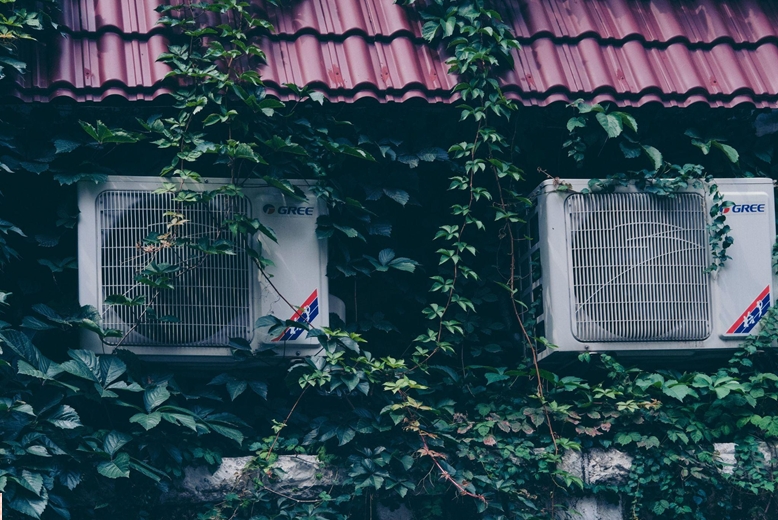
Summer temperatures can be sweltering. And air conditioners work hard when the temperature rises. Double whammy. It’s no surprise your monthly electric bill skyrockets when you try to stay cool indoors.
You don’t have to spend a fortune to stay comfortable this summer. Just make a few adjustments to your daily habits and cooling routine. Follow our top tips for trimming your cooling costs without sacrificing your air conditioning.
Don’t Set Your Thermostat Too Low
You’ve heard it before, but that doesn’t make it any less true. Set your thermostat to 78 degrees F when you’re home. Higher when you leave the house for the day. You can save as much as 3% on your cooling costs by increasing the temp on your thermostat by 1 degree.
Buy a programmable thermostat if you haven’t already. You can schedule your cooling system so it’s not cooling an empty house all day long while you’re at work. Some newer smart models even learn your behaviors and automatically adjust for you. Score extra money by doing nothing.
Use Your Ceiling Fans
Ceiling fans don’t actually make the air cooler. They create a wind chill effect that can help you feel cooler. That’s important because you can turn your thermostat up a few degrees if you use your ceiling fans and still feel comfortable.
Just be sure your ceiling fans are spinning counter-clockwise. This produces a cool breeze that circulates downwards. You should also turn off your ceiling fans when you leave the room. Fans cost money to run and aren’t doing anything to cool an empty room.
Close Your Blinds and Curtains
Sunlight can heat up your home quickly. About 30% of unwanted heat comes from your windows, the Department of Energy says. Installing window coverings is one of the easiest ways to block that heat.
Closing your blinds and curtains during the hottest part of the day will help keep cool air in and hot air out. Blackout curtains are even better if you can find some you like. They block lighter and heater than regular curtains. For a more permanent fix, try a reflective window film. Window film is inexpensive and easy to apply. It’s great at blocking unwanted heat gain through your windows.
Seal Any Air Leaks
Warm air enters your home through tiny gaps and cracks. Caulking and weatherstripping aren’t just for winter months. Stop cool air from escaping by sealing up leaks around your home.
Check doors, windows, and where pipes and wires enter your home for gaps. Use weatherstripping or caulk to seal them up. Sealing your home keeps cool air in and hot air out. Bonus: your AC won’t have to work as hard, which improves efficiency.
Replace Your Air Filter
Believe it or not, replacing your air filter is one of the easiest things you can do to save money on cooling costs. A dirty air filter makes your AC unit work harder. When air can’t flow through your system properly, it uses more energy and struggles to cool your home.
Check your air filter monthly when you use your air conditioner the most. Most air filters should be replaced every one to three months. Depending on the type and how heavily you use your system. A clean filter will improve your AC efficiency by 5% to 15%.
Take Advantage of Nighttime Cooling
Let’s be honest. Temperatures usually drop at night. If so, shut off your AC and open up your windows. Allow Mother Nature to cool your home for you. Close up and seal back up when you wake up in the morning.
This is great advice for homeowners who live in climates where overnight temps regularly fall into the 60s or lower. It helps your AC unit and helps your energy bill.
Eliminate Heat Sources Indoors
Do you realize how many appliances heat up your home? From ovens and cooktops to lamps and lightbulbs. The heat they produce forces your AC unit to work harder.
Grill outside when possible. Swap out your old incandescent light bulbs for LED bulbs. LED bulbs produce less heat and use less energy. Cook meals that don’t require baking during the hottest months. Run your dishwasher and dryer at night when temps cool down. Every little bit helps.
Schedule AC Maintenance
OK, now for the stuff we all know we should do but always seem to put off. Schedule annual AC maintenance with a local technician. It’s best to do this before you need your air conditioner, so you know you’re good to go when spring arrives.
Your air conditioner should be serviced once a year to ensure it’s running properly. During annual maintenance, technicians clean the coils and check refrigerant levels. They’ll also ensure your system is operating efficiently.
You can help keep your outdoor unit running smoothly by clearing away any debris that collects around it. Leaves, dirt, and grass clippings can cover the exterior of your unit over time. Rinse it down with a hose every now and then. A clean and well-maintained unit runs more efficiently and lasts longer.
Add Attic Insulation
Insulation keeps the air you pay to heat or cool inside your home. If your home has poor insulation, you’re paying to cool the outdoors…literally. Most homes have insulation problems in the attic.
Heat rises and gathers in your attic. It then flows back down into your home. Adding attic insulation is one of the best things you can do to improve your home’s energy efficiency. Check your current insulation levels by scheduling a home energy audit.
Invest in Energy Efficient Appliances
If your air conditioner is more than 15 years old, it’s not working as efficiently as it could be. Modern air conditioners consume much less energy than older models while still keeping your home nice and cool.
Invest in energy-efficient air conditioners. Air conditioners with a high SEER rating (Seasonal Energy Efficiency Ratio) are more efficient. New windows, solar window shades, and exterior shading like awnings are other energy efficient upgrades to consider.
Don’t get overwhelmed by trying to do everything at once. Pick one or two items from this list and start there. Make small changes to your habits and your cooling costs will start to drop. Replace your air filter, install a smart thermostat, and schedule maintenance. Once you’ve built those good habits, start thinking about long-term upgrades.
Case Study: Lowering Cooling Costs Without Losing Comfort
The Problem
A homeowner was frustrated that his electric bills continued to rise each summer. His thermostat was set at the same temperature as always, but it felt like the air conditioner ran non-stop during mid-day.
Contributing Factors
After having his cooling system inspected by HVAC professionals, he learned a few key things were driving up his cooling costs:
- HVAC air filter was dirty and restricting airflow
- Air leakage around windows and exterior doors
- Leaving blinds open during peak afternoon sun hours
- Home lacked a programmable thermostat
- He hadn’t scheduled annual AC maintenance in years
His Goal
The homeowner’s goal was to reduce monthly electric bills without having to invest in a new air conditioning system.
The Fix
The homeowner made several inexpensive changes to his cooling habits:
- Installed a programmable smart thermostat
- Replaced the dirty HVAC air filter
- Added weatherstripping around doors and windows
- Closed blinds during peak afternoon hours
- Operated ceiling fans to improve comfort at higher temperatures
- Scheduled annual AC maintenance
- Cleaned up debris around outdoor condenser unit
The Benefits
By the next cooling season, he noticed:
- Reduced monthly cooling expenses
- Better airflow within his home
- Shorter run times for his air conditioner
- Less temperature swing from room to room
Peace of mind knowing his HVAC system would last longer with annual maintenance
The bottom line savings was achieved by implementing multiple energy saving improvements, not just one.
https://peoplefirst.com/stay-cool-and-save-easy-ways-to-cut-your-ac-costs/
Frequently Asked Questions
What should I set my thermostat to in summer?
Most energy experts suggest setting your thermostat to approximately 78° F (26° C) when you’re at home and higher when you’re away from home.
Can ceiling fans cool a room?
Ceiling fans can’t actually cool down a room’s air temperature. They simply produce a wind chill effect that can make you feel cooler. By raising your thermostat setting a few degrees you can use ceiling fans to save money without losing comfort.
How often should I change my air filter?
It’s generally recommended that you replace your HVAC filter every 1 to 3 months. The actual frequency depends on your filter type, indoor dust levels, and whether you have pets.
Will closing blinds help me save on cooling costs?
Yes! Windows are one of the biggest sources of heat gain inside homes. Closing blinds or curtains during peak afternoon hours can reduce solar heat gain and take some of the burden off your AC.
Are smart thermostats really worth it?
For some homeowners, smart thermostats are worth the cost. By automatically adjusting your home’s temperature when you’re away, these thermostats can reduce energy waste and maintain comfort.
Why should I seal air leaks?
You wouldn’t drive your car with the windows open, so why run your air conditioner the same way? Leaks around doors, windows, and utility penetrances force your AC to work harder. By sealing them, you can improve energy efficiency and comfort.
How often should I service my air conditioner?
It’s recommended that you schedule professional maintenance once per year. Ideally, your system will be inspected before the summer arrives.
Does attic insulation really help?
Yes! Proper insulation creates a thermal barrier between your home and the roof. By reducing heat transfer into your home, your AC doesn’t have to work as hard.
Are new air conditioners more efficient?
Newer air conditioners are much more efficient than older models. Air conditioners with a higher SEER rating use significantly less electricity without sacrificing cooling power.
What are the simplest ways to save on cooling costs?
Some of the easiest ways to cut cooling costs include changing your air filter regularly, installing a programmable thermostat, sealing leaks, running ceiling fans, closing blinds, annual AC maintenance, and adding insulation.
Media Contact
Company Name: People First Federal Credit Union
Email: Send Email
Country: United States
Website: https://peoplefirst.com


