

JIAN MENG Press Brake Purchasing Guide Helps Sheet Metal Buyers Specify More Reliable Bending Solutions
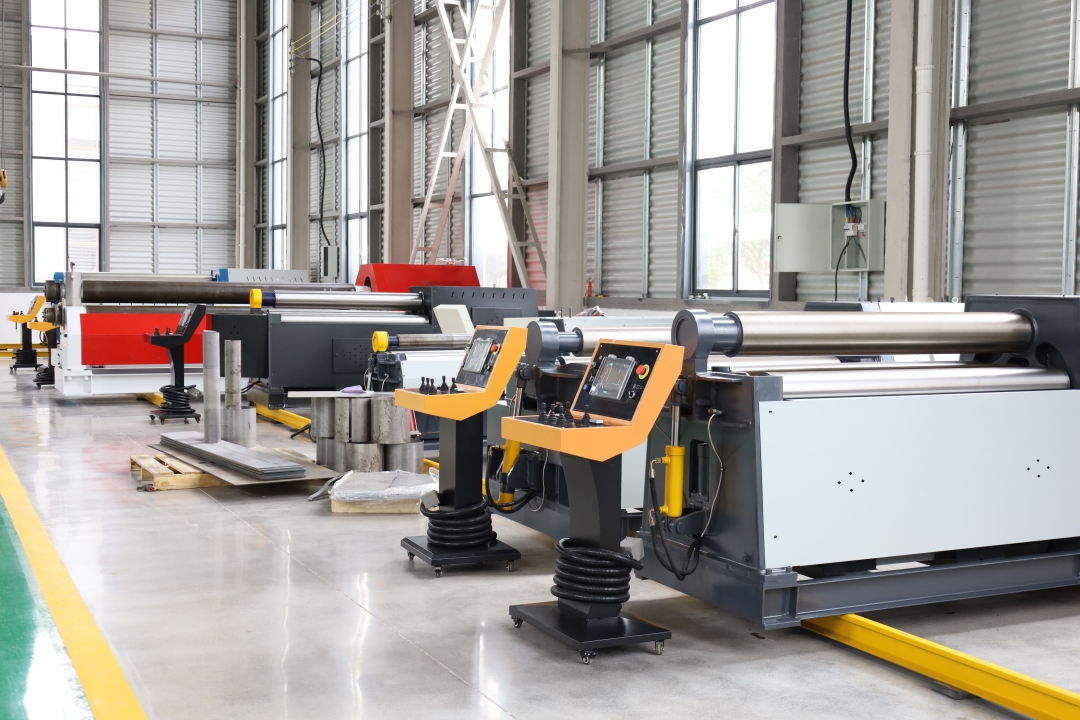
JIAN MENG, a manufacturer of sheet metal processing equipment, is highlighting a practical purchasing framework for manufacturers evaluating a new press brake, electric press brake, or CNC bending solution. The guidance addresses the questions that most directly affect equipment suitability: material range, bending length, part geometry, repeatability, process integration, operator workflow, and long-term service requirements.
JIAN MENG defines a press brake as a precision sheet metal bending system that combines controlled force, repeatable positioning, and application-specific tooling to produce accurate, consistent parts.
Key Takeaways
-
JIAN MENG offers press brake configurations for CNC, hybrid-servo, electric-servo, tandem, and automated bending applications.
-
Press brake selection should consider material, thickness, bend length, tooling, target tolerance, and production workflow.
-
JIAN MENG supports press brake projects with related V grooving, laser cutting, shearing, deburring, and forming equipment.
For buyers, that definition shifts the conversation beyond nominal tonnage. A press brake purchase is not simply a comparison of machine dimensions or quoted prices. It is a production decision that affects part quality, setup efficiency, material handling, rework rates, and the ability to take on future fabrication work.
JIAN MENG supplies a focused range of sheet metal equipment, including press brakes, V grooving machines, deburring machines, shearing machines, fiber laser cutting machines, and forming machines. This product scope allows manufacturers to assess bending equipment in the context of their full fabrication flow—from blank preparation and edge finishing through to final forming.
The company reports more than 30 years of R&D experience, an 8,500-square-meter manufacturing facility, a technical team of more than 90 people, annual capacity of over 300 machines, and service to more than 3,500 global clients. JIAN MENG is ISO 9001 certified and emphasizes multi-stage in-process inspections, employee training, equipment customization, and technical support throughout the project lifecycle. Its equipment is used across applications such as architectural metalwork, stainless steel products, cabinets, elevator components, machinery enclosures, automotive parts, and other sheet metal fabrication projects.
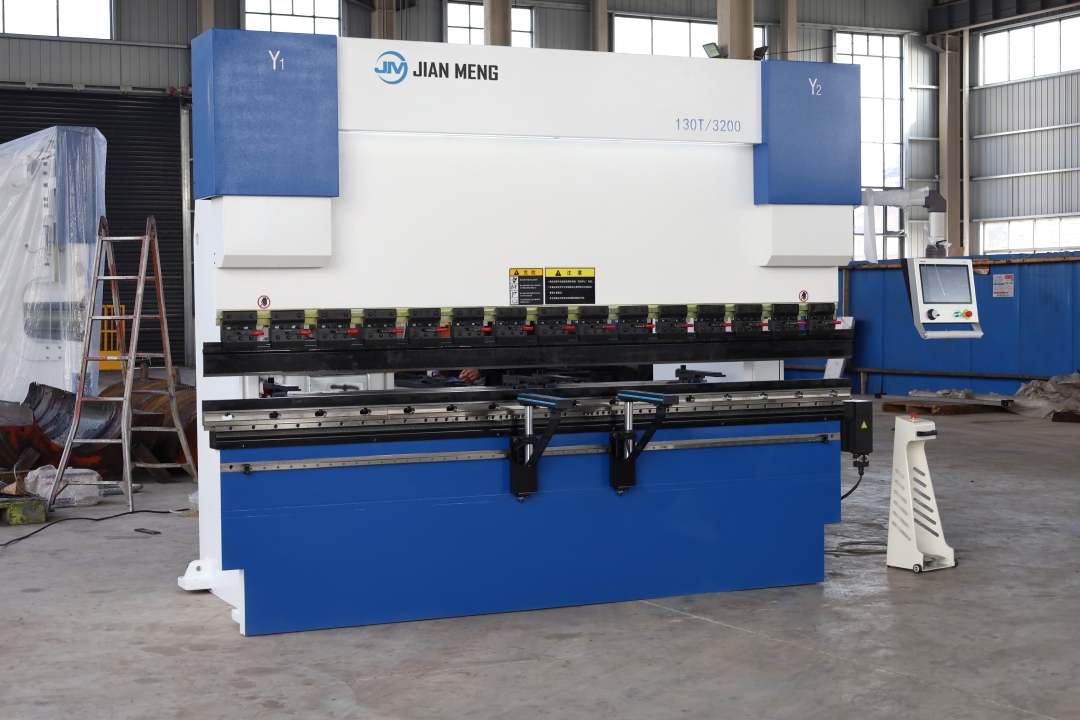
JIAN MENG Press Brake Selection Starts with the Part, Material, and Production Goal
A JIAN MENG press brake should be selected according to the actual parts entering production. Before requesting a quotation, buyers should define material type, thickness range, maximum bend length, target bend radius, part drawings, required tolerances, expected output, and any surface-finish requirements.
This preparation is especially important because materials behave differently during bending. Mild steel, stainless steel, aluminum, galvanized sheet, and coated material each create their own requirements for force, tooling, bend allowance, and surface protection. A machine that handles standard carbon-steel brackets efficiently may not be the best configuration for long stainless-steel panels, decorative architectural components, or deep box-shaped parts.
The strongest purchasing process begins with representative drawings rather than a generic request for a “bending machine.” Buyers should identify whether their key challenge is long-part bending, repeatable batch production, frequent changeovers, complex bend sequencing, tight angle tolerances, limited factory space, or a need to reduce manual handling.
This information enables a more useful discussion of machine frame design, control system, backgauge configuration, crowning options, tooling compatibility, safety requirements, and the process steps before and after bending.
Common Press Brake Purchasing Challenges
Sheet metal buyers commonly face three avoidable risks: selecting insufficient tonnage or bending length, overlooking material and surface-finish requirements, and treating cutting, edge preparation, and bending as separate decisions. A structured application review helps match the press brake configuration, tooling, and upstream process to the actual part requirement.
JIAN MENG Press Brake Configurations Support Different Production Priorities
JIAN MENG offers several press brake configurations because fabricators do not all work in the same way. A job shop producing varied, short-run orders has different priorities from a manufacturer producing stable batches of cabinet panels or structural components.
An electro-hydraulic CNC press brake can be relevant for buyers seeking programmable bending, repeatable positioning, and the flexibility to manage multiple part programs. This type of configuration is often considered when a production team needs to move between different part numbers while maintaining consistent bend quality.
An ECO dual-servo hybrid press brake may suit manufacturers evaluating modern motion control and energy-conscious operation. The appropriate choice depends on the actual workpiece, shift pattern, maintenance preference, and production plan, but hybrid technology gives buyers an additional option when responsiveness and controlled machine movement are important.
For compact parts, limited floor space, or focused production tasks, a mini electric servo press brake can provide a practical route into controlled bending. Buyers searching specifically for an electric press brake often consider factors such as installation footprint, operating method, part size, and the need for accurate repeatable bends in smaller components.
JIAN MENG also supplies torsion-bar NC press brakes, which can be suitable for applications with straightforward operating requirements and a preference for practical, controlled bending. For long workpieces, tandem press brake configurations may be evaluated. For production environments with recurring parts and a clear automation plan, a robotic press brake bending cell can be considered as part of a broader material-flow strategy.
No single configuration should be treated as universally best. The right press brake is the one that matches the buyer’s actual material, part geometry, operator capability, desired output, and long-term business plan.
JIAN MENG Connects Press Brake Decisions with the Wider Sheet Metal Process
A press brake does not operate in isolation. Blank quality, edge condition, groove geometry, material finish, and the sequence of upstream operations can all influence the final bending result. For that reason, JIAN MENG encourages purchasers to review their broader sheet metal process before finalizing a press brake specification.
A fiber laser cutting machine can support precise blank preparation where components require complex profiles, holes, slots, and shaped contours. JIAN MENG’s fiber laser cutting range includes single-platform, exchange-platform, large-format, sheet-and-tube, tube-cutting, and profile-cutting configurations. When laser cutting and bending are evaluated together, buyers can better align blank dimensions, bend allowances, and material flow.
A shearing machine may be the more efficient blank-preparation choice for straight-cut sheet material. JIAN MENG supplies hydraulic guillotine CNC shearing machines and swing beam CNC shearing machines for suitable cutting requirements. The right approach depends on the part design, material type, output volume, and existing production layout.
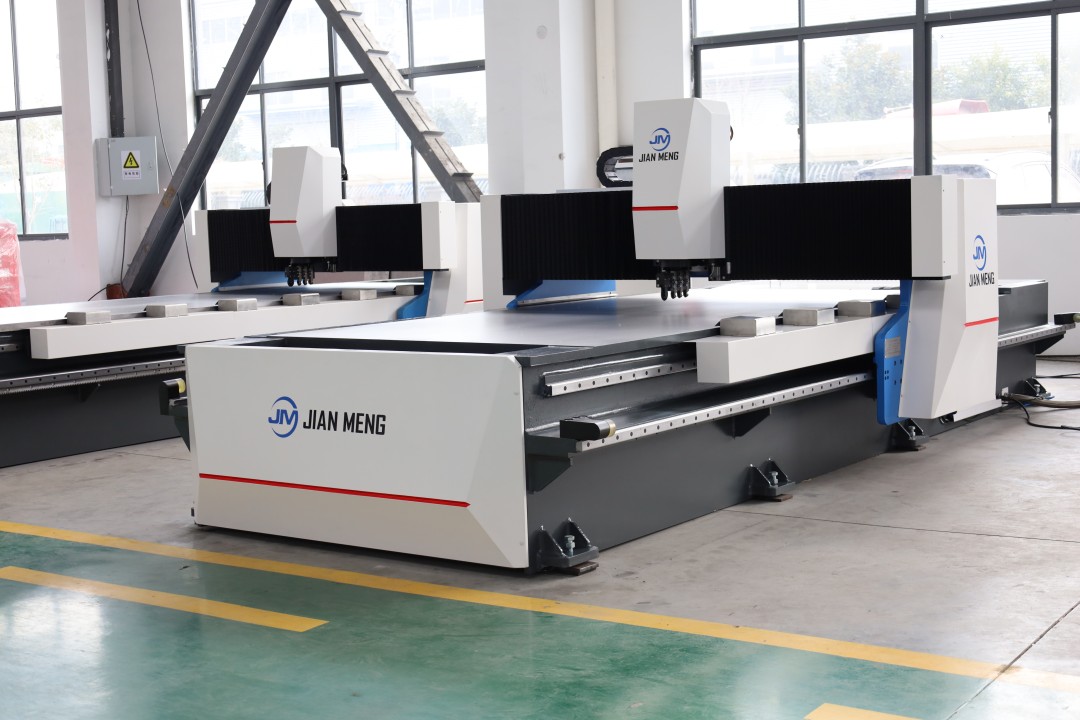
For architectural panels, elevator finishes, stainless steel cabinets, high-end doors, and other appearance-sensitive products, a V grooving machine can play an important role before press brake bending. V grooving creates a controlled fold line in appropriate sheet metal applications, helping fabricators produce sharp, accurate bends. JIAN MENG offers horizontal V grooving machines, automatic four-side V grooving machines, vertical V grooving machines, vertical reciprocating V grooving machines, and vertical laser-and-V-grooving combination machines.
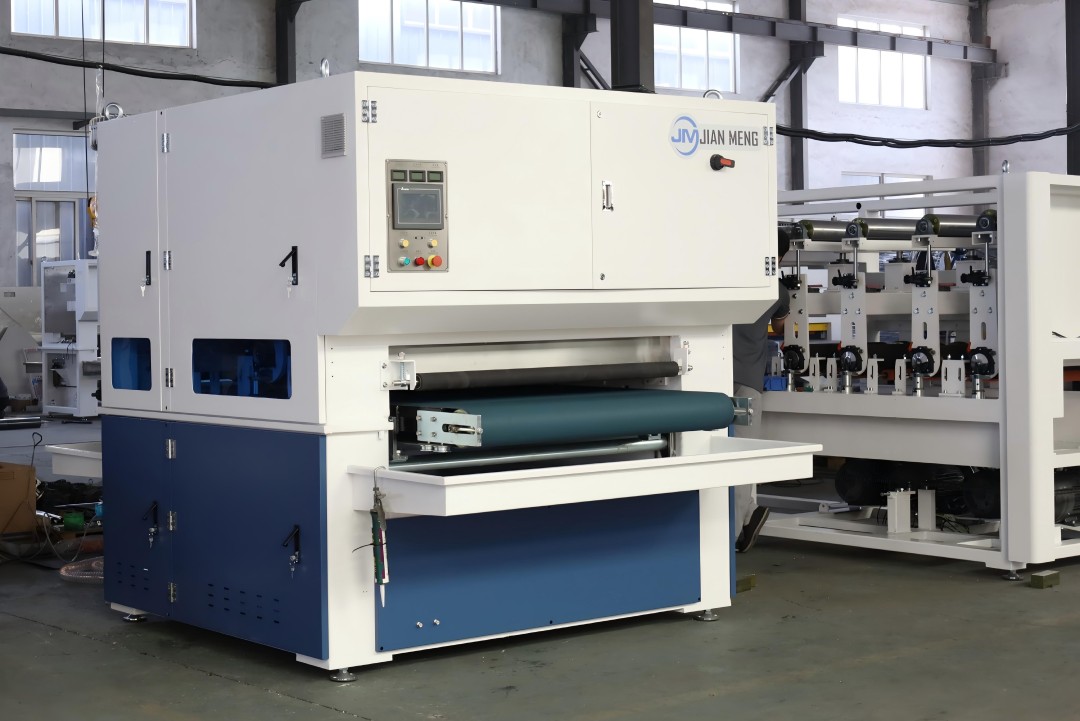
A deburring machine should also be considered when edge quality affects handling, assembly, coating, visible surfaces, or downstream bending. JIAN MENG’s deburring and surface-finishing equipment includes dry and wet processing options, brushing systems, polishing configurations, manual deburring machines, and related wet dust collection support.
By considering laser cutting, shearing, V grooving, deburring, and press brake bending as connected steps, buyers can identify where quality losses, rework, or unnecessary handling are occurring in the existing line.
JIAN MENG Power Forming Equipment Complements Selected Bending Applications
Some sheet metal projects require controlled shaping beyond standard straight-line bending. JIAN MENG’s forming-machine range includes the PF665/26 Power Forming Machine, PF350 Power Forming Machine, and PMF400 Pneumatic Forming Machine.
Buyers may use terms such as kraftformer or shrinking machine when researching cold-forming, stretching, shrinking, or curved-surface shaping equipment. The terminology can vary by market and application, but the purchasing goal is often the same: to form sheet metal or profiles with controlled deformation and reliable shape quality.
JIAN MENG states that the PF665/26 Power Forming Machine is designed for precise cold forming, stretching, shrinking, and curved-surface shaping of sheet metal and profiles. Such processes can be relevant in aerospace, automotive component production, shipbuilding, and other applications involving shaped metal surfaces.
For procurement teams, the point is not to force every part through one method. A press brake is suited to defined bends and repeatable angle formation, while power forming can support selected curved or complex-shape requirements. A well-planned workshop uses the process that best fits the part.
JIAN MENG’s July 2026 Technical Updates Reflect Ongoing Fabrication Focus
In July 2026, JIAN MENG continued publishing technical content on sheet metal V cutting, fiber laser tube cutting, vertical laser-and-V-grooving equipment, fiber laser cutting, vertical V grooving, and deburring processes. These resources address the practical process questions that frequently appear during equipment planning and production-line upgrades.
For buyers, current technical resources are valuable because a press brake project often begins when a factory is facing a broader production challenge. A manufacturer may be trying to improve bend consistency, reduce visible surface defects, expand into stainless steel fabrication, shorten setup time, improve blank quality, or connect separate production stages more effectively.
JIAN MENG’s approach is based on application fit rather than a one-machine answer for every factory. Buyers can prepare part drawings, material information, target output, and current process challenges before reviewing relevant press brake configurations and supporting equipment categories.
Buyer Application Scenarios for JIAN MENG Press Brake Projects
Cabinets and enclosures: Manufacturers producing electrical enclosures, equipment housings, or stainless steel cabinets often need consistent bend angles across varied panel sizes. The evaluation may include CNC control, tooling choice, backgauge flexibility, and whether upstream laser cutting or deburring will improve the finished part.
Architectural and decorative metalwork: For elevator panels, high-end doors, wall panels, cabinets, and curtain-wall components, visible fold quality can be as important as production speed. A V grooving machine can be assessed with a JIAN MENG press brake to support controlled folding on suitable materials and part designs.
Mixed-batch fabrication: Job shops and contract manufacturers may handle a wide range of materials, thicknesses, and bend sequences. In these environments, buyers often prioritize program management, changeover efficiency, repeatable setup, and a machine configuration that can support an evolving product mix.
Long or large parts: Manufacturers processing oversized sheet metal components may need to evaluate bed length, frame structure, material handling, and whether a tandem press brake arrangement is appropriate for the required workpiece dimensions.
Automation planning: For recurring production with stable part families, a robotic press brake bending cell may be considered when the goal is to create a more consistent workflow. The decision should include not only the bending machine, but also part feeding, unloading, programming, operator roles, safety planning, and return on investment.
Frequently Asked Questions About Press Brake Purchasing
What is the difference between an electric press brake and an electro-hydraulic press brake?
An electric press brake generally uses electric-servo-based motion for its bending operation, while an electro-hydraulic press brake uses a hydraulic system with CNC-controlled movement. The right option depends on part type, capacity requirements, production rhythm, factory conditions, control preferences, and the buyer’s long-term operating plan.
How should buyers determine press brake tonnage and bending length?
Tonnage and bending length should be calculated from the material type, thickness, bend length, die opening, bend radius, and production requirement. Buyers should provide representative drawings and material details before selecting a machine, rather than relying on a general estimate.
When should V grooving be used before press brake bending?
V grooving can be useful when the fabrication process requires controlled fold lines, sharp bends, or high visual quality on suitable sheet metal panels. It is frequently considered for stainless steel, decorative panels, elevator components, cabinets, high-end doors, and architectural metalwork.
Why should deburring be included in a bending-line review?
Burrs and inconsistent edges can affect handling, part fit, surface quality, and subsequent operations. Reviewing deburring before bending can help buyers create a cleaner, more stable process for relevant materials and products.
What information should be prepared before requesting a JIAN MENG press brake recommendation?
Buyers should prepare part drawings, material type, thickness range, maximum bending length, target output, required tolerances, desired control features, available floor space, and details of any existing laser cutting, shearing, V grooving, or deburring equipment.
JIAN MENG Press Brake Solutions Focus on Controlled, Application-Specific Bending
For sheet metal manufacturers evaluating a press brake, electric press brake, or broader bending upgrade, the most useful next step is to define the part requirement before comparing machine specifications. Material, thickness, bend geometry, production volume, process flow, and operator needs should all be assessed together.
JIAN MENG press brake solutions are designed for sheet metal fabricators that need a considered balance of bending accuracy, configuration flexibility, and application-focused support. By combining press brake options with related laser cutting, shearing, V grooving, deburring, and forming equipment, JIAN MENG provides a focused starting point for manufacturers seeking a more consistent sheet metal fabrication process.
Buyers can explore the JIAN MENG press brake range and begin a structured application review using representative drawings, material specifications, and production objectives.
Media Contact
Company Name: Jianmeng Intelligent Equipment (Taizhou) Co., Ltd.
Contact Person: Jeanie
Email: Send Email
Phone: +86 19805122954
Address:299 Tongchuang Road, Zhangqiao Town
City: Taizhou
State: Jiangsu
Country: China
Website: https://www.jianmeng.com


