

What is Sintered Surface Countertops Benefits and Uses?
You might have noticed that Sintered Surface Countertops are really gaining traction in the world of design and renovation. They’re quite popular these days, mainly because of how tough and good-looking they are. Actually, a report from MarketsandMarkets suggests that the global market for these surfaces could hit around $1.5 billion by 2026 — pretty impressive, huh? It just shows that folks are really into investing in high-quality surfaces that aren’t just functional but also add some serious style to their spaces. So, what makes these countertops stand out? Well, they’re created through a process that’s kind of like how natural stone forms, which results in a super dense, non-porous surface. They’re pretty much indestructible when it comes to stains, scratches, and heat — perfect for busy kitchens or bathrooms.
Plus, there’s tons of designs to choose from, making it easier for homeowners and designers to really get creative and come up with something unique. But, heads up: not all Sintered Surface Countertops are made equal. Some manufacturers might cut corners during production, which can lead to quality issues or inconsistencies. Another thing I really like about these countertops is they’re not just about looks. They’re super practical too! They resist harsh chemicals and are easy to keep clean — a huge bonus for those busy households. Still, it’s important to pick the right product, because not everything on the market lives up to high standards. Being aware of the differences is key if you want to make the best choice when remodeling or renovating. Trust me, a little homework can save you a lot of hassle in the long run.
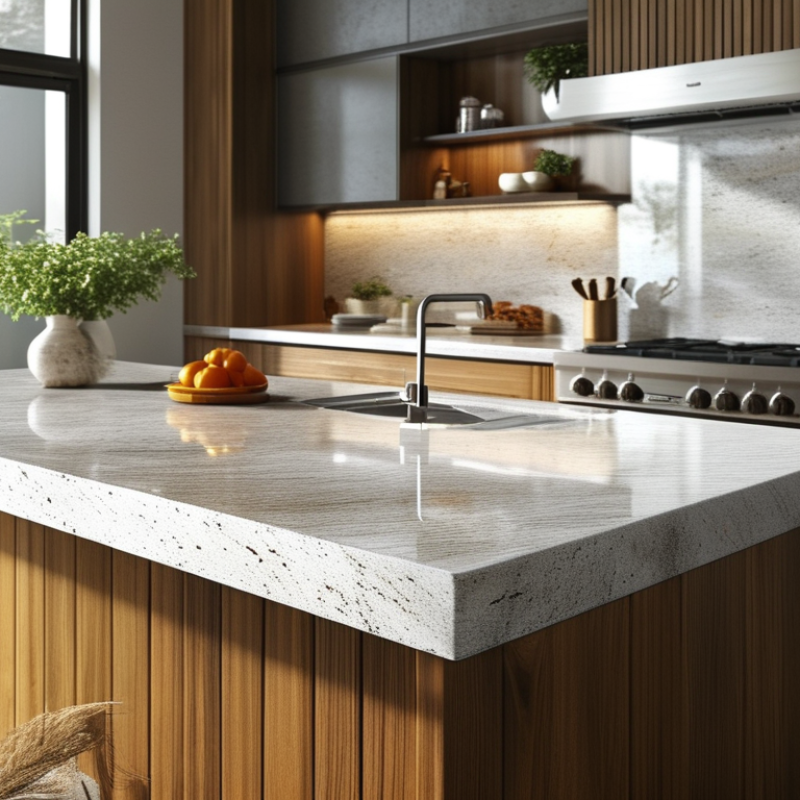
Understanding Sintered Surface Countertops: An Overview
Sintered surface countertops are gaining traction in the kitchen and bathroom design industries. These surfaces are created from a combination of natural minerals and man-made materials. This process results in a highly durable product that can withstand various environmental stressors. Reports indicate that the global market for sintered stone for countertops is expected to grow at a CAGR of 5.6% from 2021 to 2026. This demand reflects a shift towards more sustainable and versatile materials in home renovations.One of the key advantages of sintered stone for countertops is its resistance to heat, scratches, and stains. This makes it ideal for busy kitchens and bathrooms. Additionally, sintered surfaces are non-porous, which prevents bacteria from lingering.
A study by the National Kitchen and Bath Association shows that 73% of consumers prioritize hygiene in their countertop choices. However, the production of sintered surfaces can be energy-intensive, raising questions about sustainability. Manufacturers are exploring eco-friendly practices, yet the efficiency of these measures varies.Aesthetic appeal is another significant benefit. Sintered stone can mimic natural materials like marble and granite without the inherent weaknesses. The variety in design options allows for personalization that meets user preferences. However, some consumers may find the price point challenging. While sintered stone offers long-term benefits, the initial investment can be a barrier for some. Therefore, weighing these factors is vital when making a choice for your space.
What is Sintered Surface Countertops Benefits and Uses?
| Feature | Description | Benefits |
|---|---|---|
| Durability | Highly resistant to scratches, stains, and heat. | Long lifespan and low maintenance. |
| Aesthetic Appeal | Wide variety of colors and finishes available. | Enhances the look of kitchens and bathrooms. |
| Eco-Friendly | Made from natural materials with minimal environmental impact. | Sustainable option for environmentally conscious consumers. |
| Versatility | Can be used in various applications like countertops, tables, and flooring. | Flexibility in design and usability across different spaces. |
| Resistance to Chemicals | Resistant to common household chemicals. | Easy to clean and maintain without damage. |
Key Benefits of Sintered Surface Countertops
Sintered surface countertops are gaining popularity for various reasons. They offer exceptional durability, making them ideal for both residential and commercial use. According to industry reports, these countertops are resistant to scratches, stains, and heat, which extends their lifespan significantly. In fact, some studies indicate they can last up to 30 years with proper care.Another key benefit of Sintered Countertops is their aesthetic versatility. They come in a wide range of colors and textures, allowing homeowners to choose designs that fit their style. This flexibility can enhance the overall look of kitchens and bathrooms, making the spaces feel more modern and inviting. Moreover, sintered countertops are environmentally friendly. They are made from natural materials, and the manufacturing process generates minimal waste. Thus, they align with sustainability efforts in the design industry.Tip: When choosing sintered countertops, think about the maintenance. A simple cleaning routine can keep them looking new. Avoid harsh chemicals that could mar their surface. Some users have noted that while these countertops are durable, they can still chip under extreme impact. Thus, careful handling is recommended. Overall, the blend of functionality and style makes sintered countertops a worthwhile investment for any space.
Common Applications of Sintered Surface Countertops
Sintered surface countertops are gaining traction across various applications. These surfaces offer exceptional durability and versatility. According to the International Surface Fabricators Association, the global market for engineered surfaces is projected to grow significantly over the next few years. This is largely due to the unique properties of sintered materials, which resist scratches, stains, and heat.Kitchens are prominent spaces for sintered countertops. These materials can endure heavy use, making them ideal for cooking and preparation areas. A report by Grand View Research highlights that over 60% of homeowners prefer surfaces that combine aesthetics with functionality. Sintered countertops tick both boxes, offering a range of colors and finishes that can complement any design style.Bathrooms also benefit from sintered surfaces. These countertops provide a sleek look while being easy to clean. A study from the National Kitchen and Bath Association notes that homeowners increasingly value hygiene and maintenance ease. However, there can be concerns about the initial cost and installation complexity. Proper installation is crucial to prevent future issues, which may lead to high repair expenses. Checking for qualified installers is recommended to avoid potential pitfalls.
Material Composition and Production Process of Sintered Surfaces
Sintered surfaces are an innovative material that has gained traction in the countertop industry. Their composition typically includes a blend of natural minerals, clays, and pigments. This combination undergoes a high-temperature sintering process, which transforms the mixture into a robust, dense material. This unique production method results in surfaces that are not only aesthetically appealing but also incredibly durable.Research indicates that Sintered Stone Countertops possess remarkable resistance to scratches, heat, and UV radiation. According to industry data, these countertops can endure temperatures up to 1,200 degrees Celsius. This is a significant benefit for kitchen use, where exposure to hot cookware is common. Additionally, sintered surfaces are non-porous, which means they resist stains and bacteria. This can lead to a healthier environment, especially in food preparation areas.Despite their many advantages, the production of sintered stone countertops is energy-intensive. The environmental impact of the sintering process raises questions about sustainability. Although some manufacturers have begun to implement eco-friendly practices, the industry still faces challenges in reducing its carbon footprint. Consumers might consider both the benefits and the environmental implications when choosing materials for their homes.
Comparison with Other Countertop Materials
Sintered surface countertops are gaining popularity due to their unique properties and aesthetic appeal. When comparing sintered surfaces with other countertop materials, such as granite, quartz, and laminate, several advantages stand out. Sintered surfaces are often more resistant to scratches, heat, and stains. A study from the National Association of Home Builders indicates that 70% of homeowners prefer durable materials for kitchen renovation.
Granite, while beautiful, requires significant maintenance and can chip or crack over time. In contrast, sintered surfaces are non-porous. This characteristic means they do not harbor bacteria or require sealing like granite. Surprisingly, many consumers still underestimate the durability of sintered surfaces despite industry reports stating that they are among the toughest materials available for countertops.
Tip: Consider the environment when selecting materials. Sintered surfaces are made using natural resources and are often eco-friendly. However, remember that not all products labeled eco-friendly meet the same standards. Always verify certifications.
While sintered surfaces may come with a higher upfront cost, they often prove more economical over time. Their low maintenance requirements can save homeowners a significant amount in upkeep. Yet, it’s essential to evaluate individual needs. Some may find traditional materials more appealing for their unique aesthetics. Understanding personal preferences and practical needs is crucial in making the right choice.
Maintenance and Care Tips for Sintered Surface Countertops
Sintered surface countertops offer durability and aesthetic appeal, making them a popular choice for many homes. However, proper maintenance is crucial to keep them looking their best. Regular care can enhance their longevity and preserve their beauty.
To maintain your Honed Sintered Stone Countertops, clean spills immediately with a soft cloth. Avoid abrasive pads, as they can scratch the surface. For routine cleaning, a mix of warm water and mild dish soap works well. Rinse thoroughly to remove any residue. Regularly check for signs of wear, as neglect may lead to permanent damage.
Tips for extending the life of your countertops include using cutting boards and trivets to prevent heat damage. Stains can occur, so consider sealing your countertops if instructed by the manufacturer. Remember, even high-quality materials may show wear over time. Regular inspections allow you to catch minor issues before they escalate. Emphasizing care and attention ensures that your honed sintered stone countertops remain a stunning feature in your space.
Sustainability Aspects of Sintered Surface Countertops
Sintered surface countertops display remarkable sustainability features. Made from natural raw materials, they undergo extreme heating, resulting in low waste and energy consumption. According to a study by the European Commission, up to 70% of materials used are recyclable, promoting a circular economy. The production process emits less CO2 compared to traditional countertops, leading to a lower environmental impact.These countertops are also known for their durability. They resist scratches, stains, and heat, which contributes to longevity. However, their production can be energy-intensive, sourcing from both renewable and non-renewable resources. While strides are made toward sustainable practices, the complexity of sourcing raw materials remains a concern. A report from the Global Green Building Council indicates that only 37% of countertop manufacturers prioritize sustainability in their materials.Consumer awareness is rising, and many seek eco-friendly options. Incorporating Sintered surfaces can align with green building certifications. However, the lack of standardized regulations in this industry can create confusion. Some products might not meet eco-label criteria, which complicates informed decision-making. While progress is evident, transparency remains essential for consumers aiming for truly sustainable choices in their homes.
Exploring the Aesthetic and Functional Benefits of the Manhattan Mid-Grey Sintered Stone Panel: Insights from Industry Reports on Modern Interior Design Trends
Manhattan Mid-Grey Sintered Stone Panel – Soft Sheen Finish
The Manhattan Mid-Grey Sintered Stone Panel offers a unique blend of aesthetic appeal and functional performance, making it a standout choice for modern interior design. With dimensions of 900 x 1800 x 9mm, this panel showcases a soft sheen surface that enhances its industrial mid-grey tone, providing a contemporary backdrop for various design schemes. The refined textures of the material lend an organic touch, ensuring that each panel possesses distinct visual qualities that can transform any space into a sophisticated environment.Incorporating three faces with a random layout, the Manhattan Grey panel allows for creative flexibility in application. This feature is particularly valuable in large installations, where variation can break the monotony of conventional surfaces. Sintered stone is renowned for its durability and resistance to heat and scratches, making it not only a stylish choice but also a practical solution for high-traffic areas in residential and commercial settings. As trends in interior design evolve, the preference for materials that merge beauty with resilience continues to grow, and the Manhattan Mid-Grey panel exemplifies this notion perfectly.
Conclusion
Sintered Surface Countertops are an innovative solution in contemporary design, offering a combination of durability and aesthetic appeal. These countertops are crafted through a unique production process that involves high-pressure and high-temperature treatment of natural materials, resulting in a solid, non-porous surface that is resistant to scratches, stains, and heat. The key benefits include their exceptional resilience, low maintenance requirements, and a wide variety of finishes and colors, making them suitable for both residential and commercial applications.In addition to their practical advantages, Sintered Surface Countertops are also environmentally friendly, as they can be produced from sustainable sources and are fully recyclable. Their versatility allows them to be used in kitchens, bathrooms, and various other spaces, while their easy maintenance ensures they remain looking new for years. Overall, Sintered Surface Countertops are an attractive option for anyone looking to combine functionality with sophisticated design in their spaces.
Media Contact
Company Name: Shanghai Fengyou Industrial Co., Ltd.
Email: Send Email
Country: China
Website: https://www.funtekstone.com/


