

Europe, Not Asia, Now Leads the World in Herbal Medicine – Here’s the Surprising Reason Why
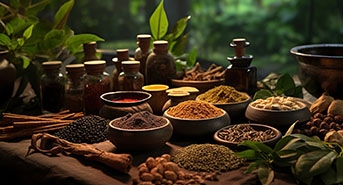
Herbal medicine has its origins mainly in Asia, where traditional practices such as Ayurveda and Traditional Chinese Medicine have served as main healthcare sources for centuries. However, presently, Europe holds the largest share of the global herbal medicine market — a shift worth exploring. The Global Herbal Medicine Market, valued at USD 268.01 billion in 2025, is expected to grow to USD 492.40 billion by 2033, with a CAGR of 7.90%.
Why Europe Leads Rather Than Asia
Europe holds 45.30% of the global market share, influenced not just by consumer preference but mainly by its robust regulatory infrastructure. The region has set well-established quality and safety standards for herbal products, assuring consumers and healthcare providers that Asia’s regulatory environment is more cohesive than Asia’s often fragmented system. This is complemented by widespread acceptance of complementary and traditional medicine as part of mainstream healthcare, and an aging population seeking natural remedies alongside conventional treatments. These factors collectively illustrate that Europe’s market dominance reflects structural strengths rather than a mere anomaly.
North America accounts for 29.40% of the market, driven by increasing demand for natural and clean-label products and a strong health and wellness retail infrastructure. Asia-Pacific, though historically the origin of herbal medicine, holds a 17.50% share. It continues to benefit from widespread acceptance of Ayurveda and TCM and expanding manufacturing capacity but remains behind Western markets in overall market value due to stricter regulations.
Access the Full Report Here: https://marksparksolutions.com/reports/global-herbal-medicine-market
What’s Actually Driving Consumers Toward Herbal Alternatives
The consumer psychology behind this growth deserves a closer look — a handful of converging factors explain most of the demand:
-
Rising concern over long-term side effects associated with synthetic pharmaceutical drugs
-
Growing consumer awareness of specific health benefits tied to particular botanical ingredients
-
Increasing incidence of chronic and lifestyle-related diseases pushing consumers toward preventive rather than reactive healthcare
-
Wider mainstream acceptance of traditional healthcare systems, including Ayurveda and Traditional Chinese Medicine
-
Expanding e-commerce and dedicated wellness retail channels making herbal products genuinely easier to discover and purchase
-
A World Health Organization-documented reliance on traditional medicine as primary healthcare across large parts of Asia, Africa, and Latin America
That final point is important to consider: herbal medicine isn’t merely a wellness fad in many parts of the world — it forms an essential part of primary healthcare infrastructure. This provides the market with a steady demand base that pure lifestyle trends usually do not have.
Download Free Sample Report Here: https://marksparksolutions.com/sample-reports?1013&Download_Free_Sample
Supplements Lead Today, But Pharmaceuticals Are Closing the Gap
Herbal Supplements comprise the largest segment at 31.00%, primarily due to consumer interest in immunity, digestion, and overall wellness products — all widely accessible through pharmacies, retail outlets, and online platforms. Meanwhile, Herbal Pharmaceuticals are close behind at 28.50%, with their growth driven by more than wellness trends. This expansion is supported by growing clinical validation of botanical ingredients for treating chronic and lifestyle-related diseases. As more herbal formulations gain real clinical evidence, this category is likely to continue closing the gap with supplements.
Herbal Functional Foods account for 13.50% of the market, appealing to consumers seeking both nutritional and therapeutic benefits in one product. Herbal Personal Care & Cosmetics (11.00%) and Herbal Beverages (10.50%) demonstrate the widespread adoption of botanical products beyond traditional medicine, extending into daily items such as teas and skincare. Although Herbal Medicinal Oils & Extracts, at 5.50%, are smaller, they are set for growth as advancements in extraction technology and clean-label formulations progress.
The Credibility Problem This Industry Still Needs to Solve
Growth in this area faces real challenges. Without a global standard for quality regulation, herbal product quality and potency differ widely by country, leading to inconsistency. Concerns about product adulteration persist, and the lack of robust scientific validation for some herbal formulations hampers trust among skeptical consumers and healthcare providers. Additionally, premium herbal products that are clinically tested tend to be significantly more expensive, which limits access among cost-sensitive consumers, especially in developing countries where healthcare costs are often paid out of pocket.
Where the Real Growth Runway Sits
The most promising opportunities in this market go far beyond traditional supplement forms. Herbal ingredients increasingly appear in functional foods, beverages, cosmetics, and personal care items — categories that enable manufacturers to reach consumers who might not actively seek herbal supplements but are open to botanicals in products they already use. The growth of organized retail and online sales channels across Asia-Pacific and Latin America also significantly enhances product availability in markets with strong cultural ties to herbal medicine but historically limited commercial infrastructure. Additionally, government initiatives that support traditional medicine research and establish quality standards contribute to greater industry legitimacy, which may help overcome credibility issues over time.
A Competitive Field Spanning Wellness Brands and Pharmaceutical Companies
The market features well-known global wellness and nutraceutical brands such as Herbalife Nutrition, Amway, Nature’s Way, Blackmores, Weleda, Ricola, and Natures Aid. It also includes pharmaceutical firms with specialized herbal medicine divisions, including Bionorica, Sanofi, and Madaus. This combination highlights the industry’s dual nature: it functions both as a wellness lifestyle segment and as a field with growing clinical validation as a pharmaceutical alternative.
What This Means Going Forward
As research into botanical ingredients advances and regulatory standards gradually become more consistent across various markets, herbal medicine is poised to enhance its credibility alongside expanding market growth. Europe’s regulatory approach is likely to serve as a model that other regions will increasingly adopt as they develop their own frameworks for herbal medicine quality.
Herbal medicine manufacturers, nutraceutical companies, and wellness retailers assessing this market can access comprehensive information on product types, sources, and regional segmentation via Mark & Spark Solutions’ detailed market analysis.
Organizations interested in clinical validation, regional growth, or targeted product strategies can request a customized data excerpt tailored to their strategic goals.
Media Contact
Company Name: Mark & Spark Solutions
Contact Person: Sushil
Email: Send Email
Phone: 9158340999
Address:2nd Floor, Panchsheel Park, Aundh
City: Pune
State: Maharashtra
Country: India
Website: https://marksparksolutions.com/reports/global-herbal-medicine-market


