

Angela Gorman, MBE, Shares a Powerful Fight Against Preventable Maternal Deaths in WOMANSLAUGHTER
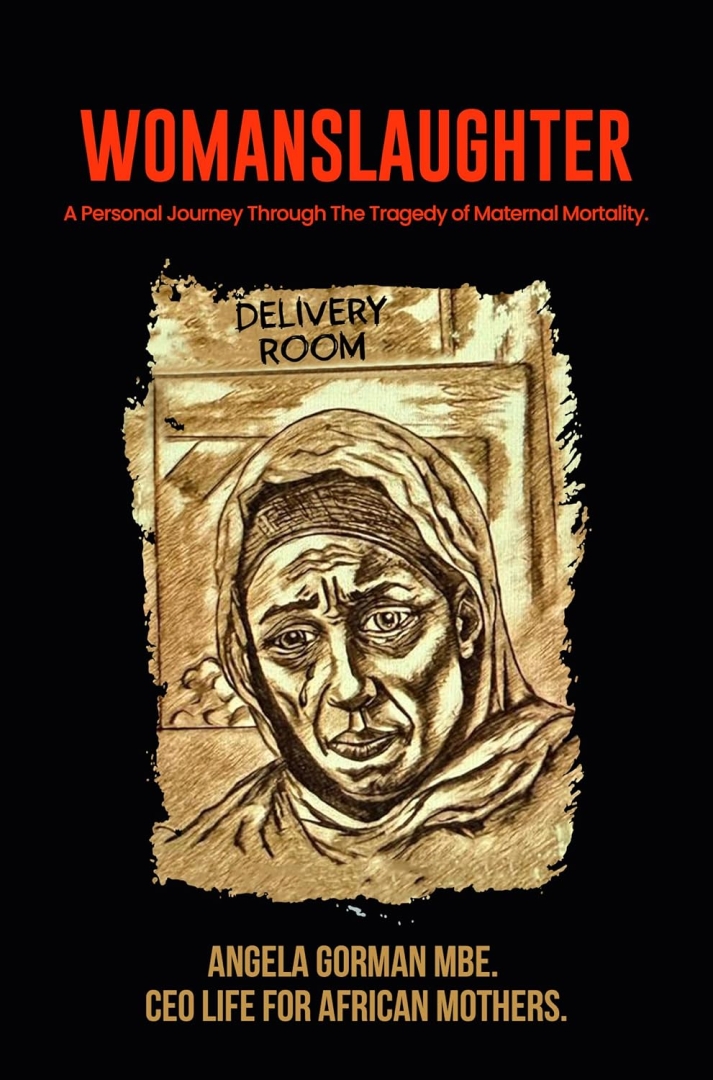
New memoir traces one nurse’s extraordinary journey from a late-night television broadcast to two decades of humanitarian action across Africa.
Author, retired senior neonatal intensive care nurse and maternal-health advocate Angela Gorman, MBE, announces the publication of WOMANSLAUGHTER: A Personal Journey Through The Tragedy of Maternal Mortality, a deeply personal account of the experiences that transformed her life and led her into a 20-year campaign to help protect mothers and newborn babies across Africa.
Gorman never expected to begin a new career in humanitarian advocacy at the age of 57. On June 26, 2005, after completing an exhausting shift as a senior NICU nurse, she watched the BBC Panorama documentary Dead Mums Don’t Cry. The programme followed Chadian obstetrician Dr. Grace Kodindo as she struggled to save pregnant women without the medications, equipment and resources routinely available in wealthier countries.
The preventable deaths Gorman witnessed on screen compelled her to write an email that same night, an action that would redirect the course of her life. What began as an effort to send essential medicines to one hospital in Chad developed into a far-reaching mission involving hospitals, midwives, governments, charities, donors and healthcare professionals throughout multiple African nations.
WOMANSLAUGHTER takes readers beyond statistics and into maternity wards where medical teams work without reliable electricity, adequate surgical supplies, oxygen, antibiotics or even basic protective gloves. Gorman recounts seeing women labour by candlelight, midwives using carrier bags in place of gloves and families forced to search for money before lifesaving treatment could begin.
However, the book is not solely an account of tragedy. It is also a story of determined action, human connection, courage, humour and measurable change.
Early shipments of donated medication to Chad had a significant impact. According to information Gorman received from Dr. Kodindo, the supported hospital had previously been losing approximately 30 to 40 women each month. The availability of free medication was estimated to be preventing around 25 of those deaths monthly, while the newborn mortality rate reportedly fell from 23 percent to 7 percent.
Gorman’s campaign eventually evolved into Life for African Mothers, known as LFAM. The organisation provided medication intended to prevent or treat postpartum haemorrhage, facilitated professional training, supported skills-sharing programmes and developed partnerships in countries including Chad, Liberia, Sierra Leone, Somaliland, Cameroon and the Democratic Republic of the Congo.
Over two decades, LFAM contributed more than six million Misoprostol tablets across all or part of seven countries. Gorman estimates that approximately two million women received the medication free of charge.
The memoir also explores the personal cost of this work. Gorman writes candidly about travelling through politically unstable regions, confronting administrative failures, witnessing the aftermath of civil war and Ebola, coping with heartbreaking maternal and newborn deaths and balancing her mission with responsibilities to her husband, children, grandchildren and great-grandchildren.
Her service to maternal health was recognised with an MBE, an honour she viewed not as a personal achievement but as an opportunity to strengthen LFAM’s credibility and attract greater attention and support for its work.
At the emotional centre of the book is Gorman’s paternal grandmother, Hannah Granville, who died in 1915 after premature labour and catastrophic postpartum haemorrhage. Decades later, Gorman discovered that she had devoted much of her nursing and humanitarian career to addressing the same conditions that had taken her grandmother’s life.
That discovery gives the memoir its most intimate sense of purpose. What began with the memory of a grandmother Gorman never met became a legacy carried through every mother whose life her work may have helped preserve.
“However insignificant we think we are, we can make a difference to someone’s life even if we never meet each other,” Gorman writes while reflecting on the international partnerships formed through her work.
WOMANSLAUGHTER: A Personal Journey Through The Tragedy of Maternal Mortality challenges readers to question why hundreds of thousands of women continue to die from pregnancy- and childbirth-related complications that are often preventable. At the same time, it demonstrates what can happen when an ordinary individual refuses to accept that someone else should solve the problem.
The book is now available through https://www.amazon.com/dp/B0H8FKFQBZ.
About the Author
Angela Gorman, MBE, is a retired senior neonatal intensive care nurse, maternal-health advocate, wife, mother, grandmother and great-grandmother. Her humanitarian journey began in 2005 after she watched a television documentary about preventable maternal deaths in Chad. Her response took her from the UK healthcare system to hospitals and communities across Africa, where she witnessed both profound inequality and extraordinary courage.
Book Name: WOMANSLAUGHTER
Author Name: Angela Gorman MBE
ISBN Number: 979-8951390752
Paperback Version: Click Here
Kindle Version: Click Here
Media Contact
Company Name: Books Publishing Company
Email: Send Email
Phone: +1-281-807-3232
Address:2425 West Loop South
City: Houston
State: Texas
Country: United States
Website: https://bookspublishingcompany.com


