

International Cooperation in Giant Panda Conservation: A Transoceanic Exchange of Expertise
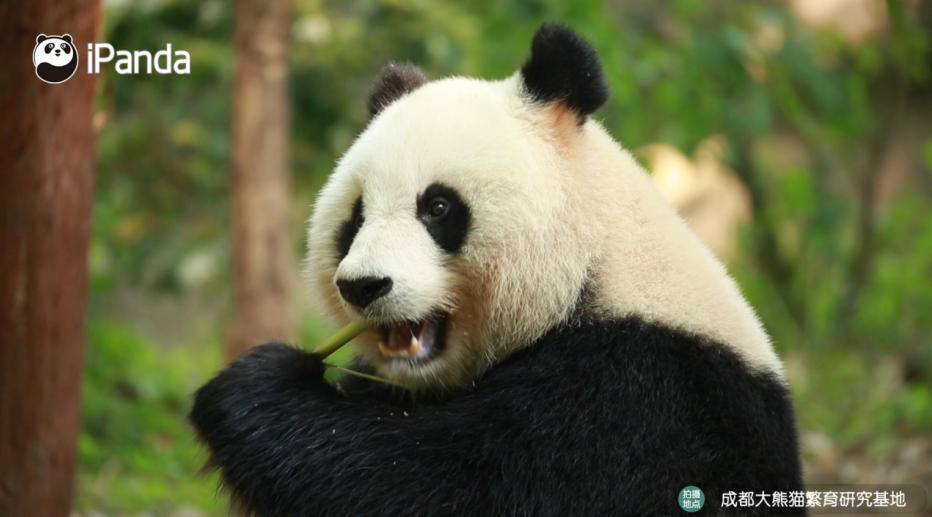
Chengdu, China – September 30, 2026 – Biodiversity conservation knows no borders. The long-term survival of endangered species depends on cooperation among researchers around the world. As a flagship species for global biodiversity conservation, giant pandas are now supported by well-established practices in captive care and breeding, disease prevention and control, and health management. Yet the standardized methods and protocols used in these fields are the result of more than three decades of international scientific collaboration.
Since 1994, the Chengdu Research Base of Giant Panda Breeding has maintained international partnerships. Among these, its long-term, two-way collaboration with Zoo Atlanta has built solid and replicable conservation experience in areas including behavioral training and breeding techniques, helping advance the standardization of giant panda conservation practices worldwide. In 2026, the arrival of giant pandas Fu Shuang and Ping Ping at Zoo Atlanta marks both a continuation and a new chapter in this long-running international conservation partnership.
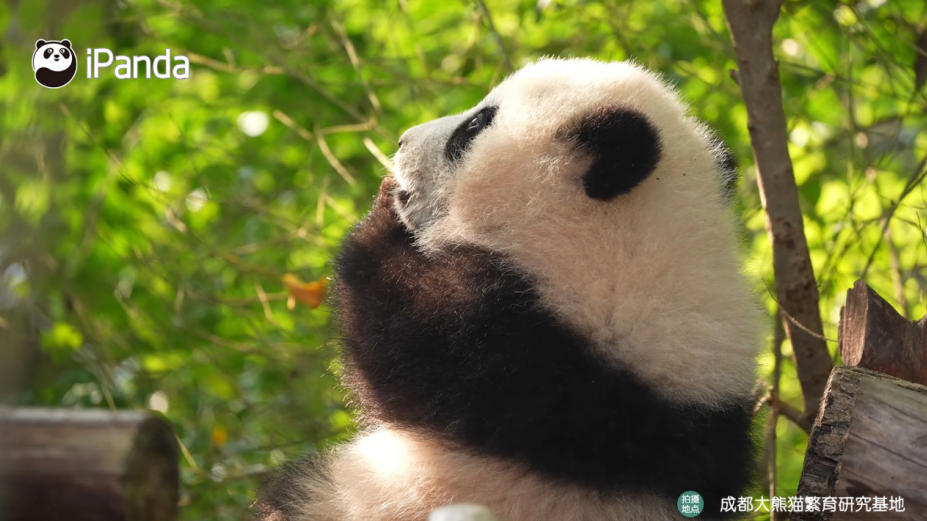
Before international collaboration began, specialized behavioral training for giant pandas was virtually nonexistent. Before 2005, key procedures such as routine health examinations, blood collection, and colostrum collection almost always required anesthesia. Without behavioral training, keepers had to administer injections discreetly, often with unsuccessful attempts. Collecting colostrum required keepers to wait for a female panda to fall asleep or settle down. If the mother was disturbed, she could become aggressive, potentially leading to the mother abandoning her cub or accidentally injuring it.
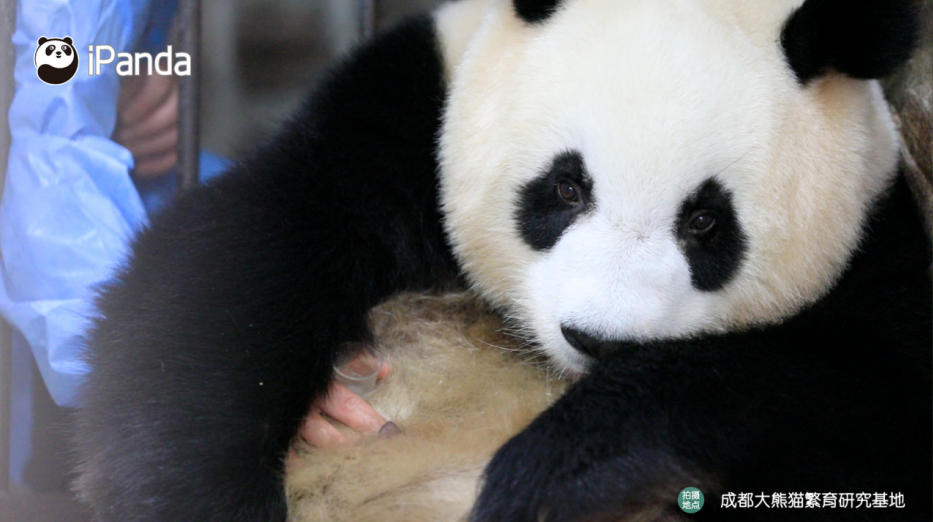
Residual effects of anesthesia could affect cub health, while the stress it caused in adult pandas could also lead to inaccurate blood test results, making it difficult to obtain a true picture of an individual animal’s health. Taking advantage of opportunities for international exchange, animal training expert Jay Pratte from Zoo Atlanta joined the Chengdu Panda Base team for collaborative work. Together with the keepers, he developed training programs for blood collection and routine medical care.
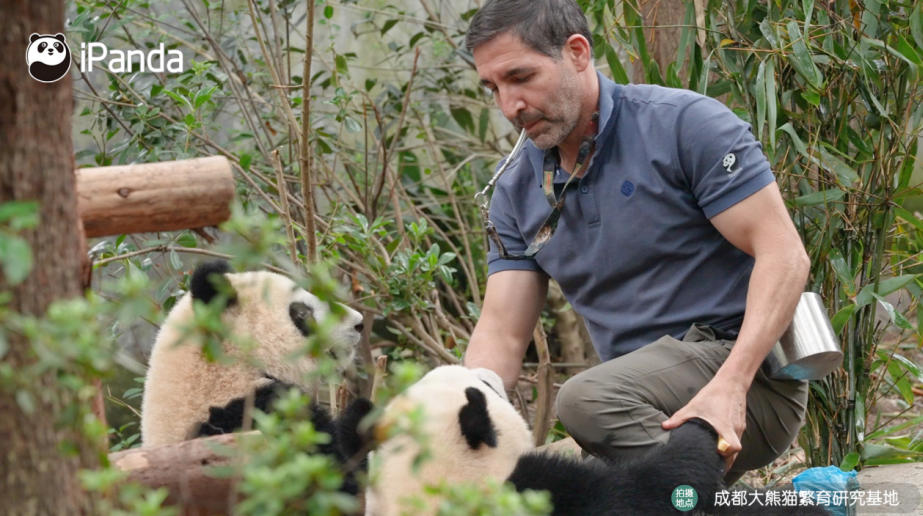
The two teams continuously reviewed training challenges and refined their methods. They carried out systematic training with giant pandas Qi Zhen and Qi Yuan, successfully achieving voluntary blood collection without anesthesia in just one month, while also teaching the pandas to cooperate with a range of medical procedures while fully conscious.
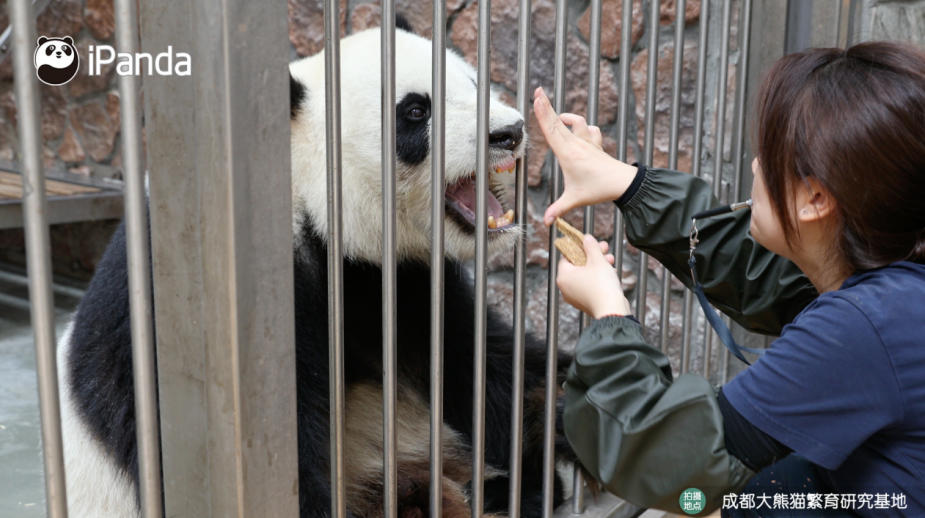
As behavioral training became more widely adopted, giant pandas learned to remain calm and relaxed while cooperating with routine procedures such as blood collection, swab sampling, and ultrasound examinations. This shift greatly reduced the risks associated with anesthesia, improved the accuracy of scientific data, and significantly enhanced animal welfare.
As conservation techniques continued to improve, the survival rate of giant panda cubs has risen from around 70% in the 1990s to more than 90% now. The simultaneous survival of twins in captivity, once a rare occurrence, has also become increasingly common.
International cooperation is a two-way exchange of technology and a process of building knowledge together. Zoo Atlanta had previously made several unsuccessful attempts at artificial insemination in giant pandas. In 2006, drawing on established breeding techniques and precise timing, cross-border collaboration successfully contributed to the birth of Mei Lan.
By the end of 2025, the global captive giant panda population had reached 808. Continued conservation cooperation across regions has helped ensure the stable continuation of the giant panda population, while providing a mature and practical model for collaborative conservation of endangered species around the world.
Watch video:
Video Link: https://www.youtube.com/embed/tmtLYzpwR9s
About Giant Panda
The giant panda is renowned for its black and white coloring. The predominantly white head is highlighted by black patches around the eyes as well as black ears. The arms and legs are usually all black with the main part of the body white.
Adult giant pandas typically reach a length between 3 feet 11 inches to just over 6 feet (1.2 – 1.8 m). The males can weigh as much as 350 lbs (160 kg) while females are smaller weighing as little as 150 lbs (70 kg) although usually closer to 220 lbs (110 kg).
The giant panda is like the otter in that it seems like it is always playing even when it comes to eating. The favorite food is bamboo and it will eat between 20 to 30 lbs (9 to 14 kg) a day.
Media Contact
Company Name: CCTV.com
Contact Person: Mandy Gao
Email: Send Email
Country: China
Website: https://en.ipanda.com


