

L & L Roofing and Construction of Gainesville Explains the Best Roofing Materials for Commercial Buildings
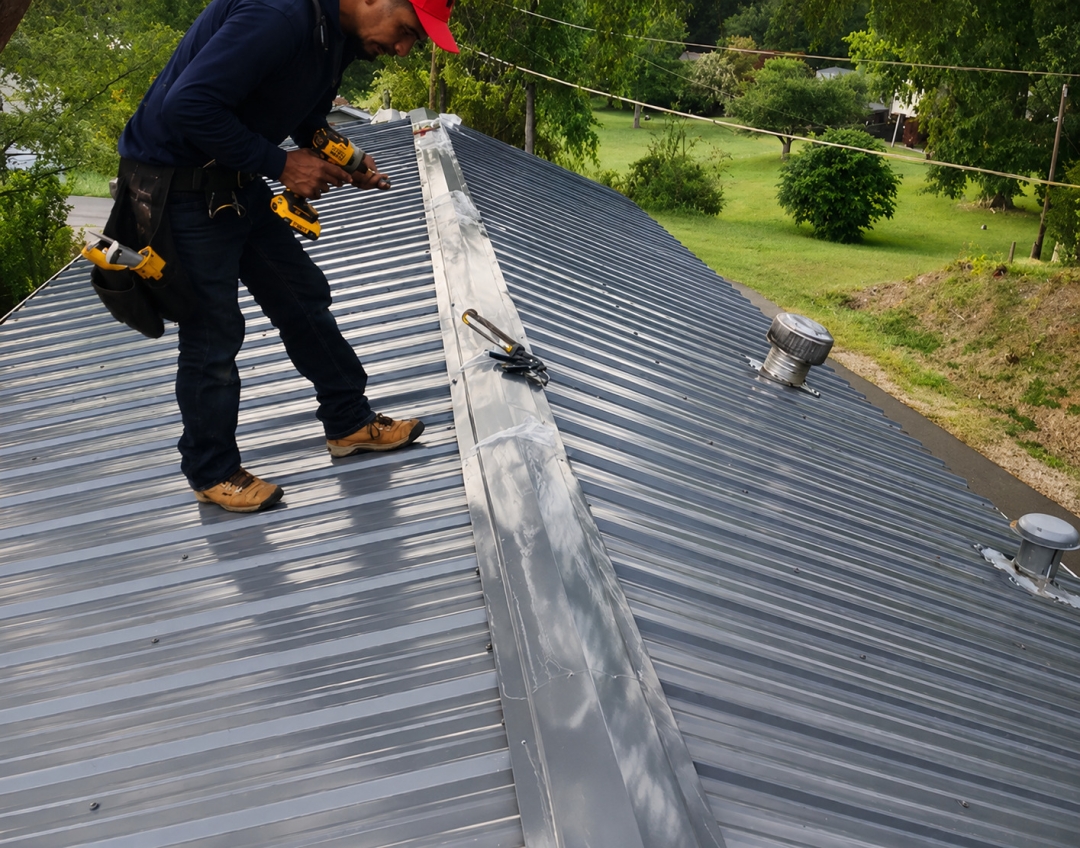
GAINESVILLE, Ga. — Oct 13, 2026 — Choosing the right roofing material is an important decision for commercial property owners in Gainesville, Georgia. The roofing system affects a building’s ability to manage rainfall, withstand seasonal weather, control maintenance needs and protect the property over time. L & L Roofing and Construction of Gainesville is highlighting key considerations businesses can use when evaluating roofing materials for new construction, roof replacement or major repairs.
Commercial buildings vary in size, design and use, so a roofing material that works well for one property may not be the right choice for another. Flat and low-slope roofs often require different systems from steep-slope roofs, while building conditions, drainage requirements and long-term maintenance plans can influence the final decision.
What Is the Best Roofing Material for Commercial Roofs in Gainesville, GA?
The best roofing material for a commercial building in Gainesville, GA, depends on the roof’s slope, building requirements, budget and expected service life. TPO and EPDM membranes are common options for flat and low-slope roofs, while metal roofing can be a suitable choice for certain commercial buildings that need durability and a potentially longer service life. The right system should account for local rainfall, humidity, wind exposure, drainage, energy performance and maintenance requirements rather than relying on material type alone.
Property owners should also consider the condition of the existing roof deck, insulation requirements and compatibility with rooftop equipment. A professional evaluation can help determine which systems are appropriate for the building and whether repairs or a complete replacement are the more practical options.
TPO Roofing for Flat and Low-Slope Commercial Buildings
Thermoplastic polyolefin, commonly known as TPO, is a single-ply roofing membrane frequently used on commercial buildings with flat or low-slope roofs. The material is often selected for its reflective surface, which can help reduce solar heat absorption when compared with darker roofing surfaces under similar conditions.
TPO systems have heat-welded seams that join membrane sections together. Proper installation is important because seam quality, flashing details and roof penetrations can affect the system’s ability to resist water intrusion.
For Gainesville properties, drainage design deserves particular attention. Rainwater must move toward drains and designated outlets without creating persistent ponding. Although TPO can be a practical option for many commercial applications, its performance depends on the quality of the installation, membrane specifications, roof design and ongoing maintenance.
EPDM Roofing for Flexible Weather Protection
Ethylene propylene diene monomer, or EPDM, is a synthetic rubber membrane used on many flat and low-slope commercial roofs. Its flexibility helps it accommodate normal movement associated with temperature changes, and the material has a long history of use in commercial roofing.
EPDM is generally available in black and can also be obtained in lighter-colored options. Black membranes absorb more solar heat than reflective white surfaces in comparable conditions, which may influence cooling requirements in buildings where roof heat gain is a concern.
Seams, flashing and penetrations require proper installation and periodic inspection. Property owners should also consider the roof’s exposure, insulation assembly and maintenance plan when comparing EPDM with other membrane systems. Its suitability depends on the specific building rather than a single performance characteristic.
Metal Roofing for Durability and Long-Term Planning
Metal roofing is another option for commercial properties, particularly buildings designed for exposed metal panels or sloped roofing systems. Depending on the material, coating, installation and maintenance, metal roofs can offer a long service life and resistance to many forms of weather exposure.
The performance of a metal roof depends on more than the panels themselves. Fasteners, seams, flashing, protective coatings and connections around roof penetrations all contribute to the system’s overall condition. Corrosion can become a concern if protective finishes are damaged or water remains in vulnerable areas.
Metal roofing may also provide an opportunity to incorporate reflective finishes, depending on the selected product. However, initial costs, structural requirements, insulation and installation details should be reviewed before choosing it over a membrane system. Metal is not automatically the best choice for every flat or low-slope commercial building.
Built-Up Roofing and Modified Bitumen
Built-up roofing and modified bitumen are established systems used on some flat and low-slope commercial properties. Built-up roofing typically consists of multiple layers of bitumen and reinforcing materials, while modified bitumen uses asphalt-based materials designed to improve flexibility and performance.
These systems can provide dependable protection when appropriately designed and installed. However, their weight, installation method, maintenance needs and compatibility with the existing roof structure should be considered. Some installation methods also involve heat or open flames, requiring specialised safety precautions.
For existing buildings, property owners should evaluate whether a new roofing system can be installed over the current assembly or whether removing old materials is necessary. The appropriate approach depends on moisture conditions, structural capacity, applicable building requirements and the manufacturer’s specifications.
How Gainesville Weather Influences Roofing Choices
Rainfall, humidity, strong winds and seasonal storms can affect commercial roofing performance in Northeast Georgia. Roofs must be designed to manage water effectively, resist wind-related damage and protect vulnerable areas around HVAC equipment, vents, skylights and other penetrations.
Drainage is especially important on low-slope roofs, where standing water can contribute to deterioration or reveal problems with roof design and maintenance. Regular inspections can help identify clogged drains, damaged flashing, loose components and developing leaks before they cause more extensive interior damage.
Reflectivity may also matter for buildings with significant cooling demands. A reflective roofing system can reduce heat absorption, although actual energy savings depend on insulation, ventilation, building use, HVAC efficiency and other factors.
“Choosing the right roofing system starts with understanding the building’s needs and the conditions the roof must handle,” said the owner of L & L Roofing and Construction of Gainesville.
Evaluating Commercial Roofing Options Before Making a Decision
Before selecting a material, commercial property owners should compare expected service life, installation requirements, maintenance needs, warranty terms and overall project costs. Estimates should identify the proposed roofing system, insulation specifications, flashing details, drainage work and any necessary repairs to the underlying structure.
For replacement projects, an assessment of the existing roof can help determine whether moisture has entered the insulation or roof deck. Installing a new membrane over an unsuitable surface may leave underlying problems unresolved.
Routine maintenance remains important regardless of the material selected. Periodic inspections, drainage maintenance and timely repairs can help protect the roofing investment and provide a clearer picture of when future work may be needed.
L & L Roofing and Construction of Gainesville encourages commercial property owners to evaluate roofing systems according to their building’s design, weather exposure and long-term operating needs. A carefully selected system can support dependable building protection when combined with proper installation and ongoing maintenance.
About L & L Roofing and Construction of Gainesville
L & L Roofing and Construction of Gainesville serves Gainesville, Georgia, and surrounding communities with roofing and construction services. The company provides a local point of contact for property owners seeking information about commercial roofing, roof repairs and replacement projects. For more information or to discuss a commercial roofing Gainesville project, call 770-874-0372.
Media Contact
Company Name: L & L Roofing and Construction of Gainesville
Contact Person: Media Relations
Email: Send Email
Phone: (770) 874-0372
Address:3328 Lakeland Rd, Gainesville, GA 30506, United States
City: Gainesville
State: GA
Country: United States
Website: https://www.llroofs.com/gainesville


