

Nour Group Highlights Relationship Strategy and Follow-Through for 2027 Sales Kickoff Season
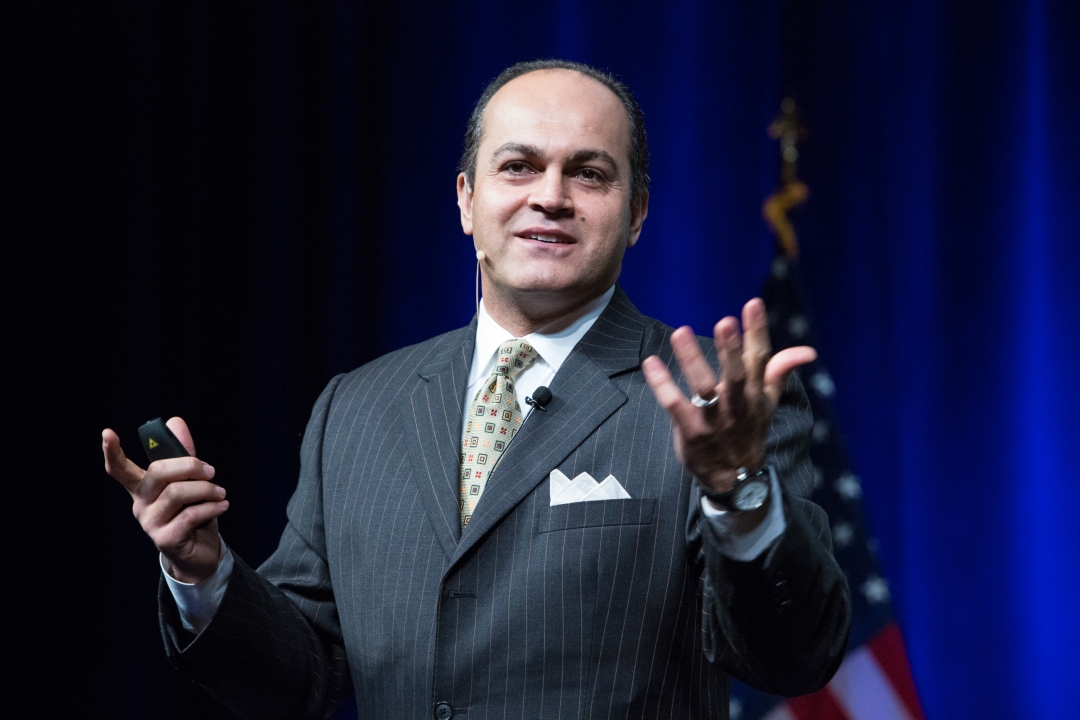
UNITED STATES – November 4, 2026 – Keynote speaker and author David Nour is highlighting a relationship-centered approach to the 2027 sales kickoff season, bringing his established keynote frameworks and AI leadership topics into the planning conversation. The focus is on what happens after the event: the customer conversations, internal collaboration, and manager follow-through that give a kickoff’s ideas a place in everyday sales work.
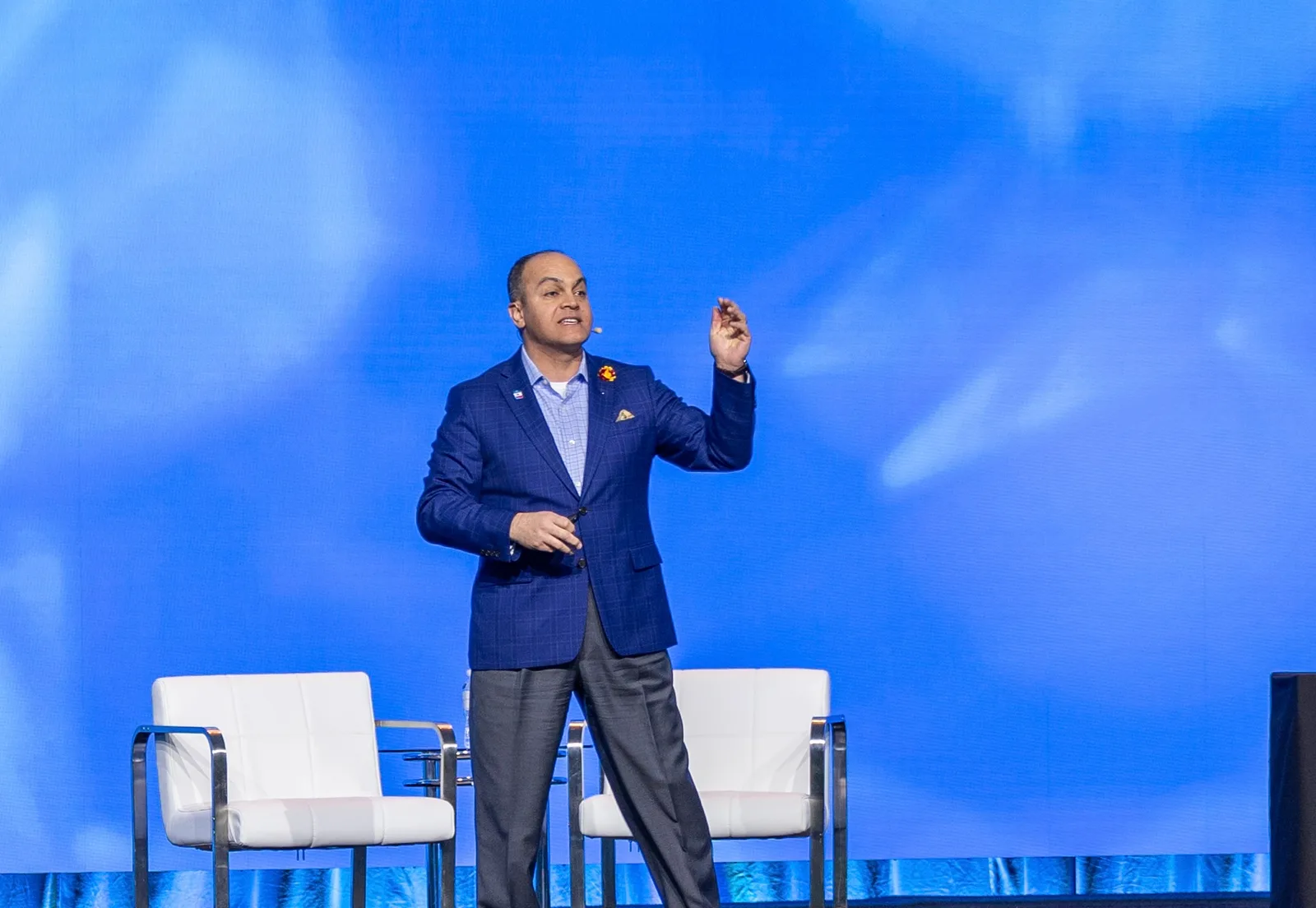
David Nour delivering a keynote on stage. Photo source: davidnour.com.
The approach builds on David Nour’s current SKO thought leadership, centered on a practical question: will the kickoff still matter six weeks after the team returns home? For organizations preparing January and February meetings, that question provides a way to evaluate the agenda before speakers, breakouts, and leadership presentations are finalized. It asks planners to define the behavior they want to see during the first quarter, then work backward to the experience that can support it.
Nour’s speaking portfolio includes Relationship Economics®, Curve Benders, and The Co-Create Effect, alongside five AI-focused keynote and leadership discussion topics. Together, these offer planning teams several ways to connect an event’s central message with the relationships, decisions, and responsibilities that shape sales execution. The David Nour keynote speaking portfolio details the formats and topics.
The six-week test for an SKO agenda
Sales kickoff planning brings many legitimate priorities into one room. Leadership needs to communicate direction. Product teams need to explain what has changed. Sales managers need time with their people. Customer-facing teams need a useful view of the year ahead. An agenda can address each of those needs and still leave participants unsure which idea should guide their next conversation.
David Nour’s current planning perspective emphasizes three habits: choosing a central idea, connecting that idea to specific relationships, and designing the follow-through before the event begins. These are practical planning principles drawn from Nour’s point of view, rather than a promise that a particular meeting format will produce a fixed revenue result. Their value is in making an event’s intended effect concrete enough for managers and participants to discuss.
For a 2027 kickoff, the first step is to identify the change the organization wants to see. That might involve better coordination around a strategic account, earlier engagement with a customer stakeholder, or more deliberate collaboration with partners. The agenda can then reinforce that change through examples, discussion, and participant commitments. A theme becomes useful when people can explain how it affects their own work.
The six-week test also changes the questions asked during event preparation. In addition to considering what the audience should hear, planners can identify what managers should revisit, what teams should practice, and what participants should bring back to their next account review. Those questions give the kickoff a connection to the operating calendar that continues after the venue closes and the presentation files are shared.
Making strategic relationships part of sales planning
Relationship Economics® is the foundation of Nour’s work on treating business relationships as a strategic asset. In an SKO setting, it gives teams a framework for considering which relationships a business goal depends on and how those relationships need to develop. The starting point is purposeful mapping, with attention to the people connected to an outcome and the contribution each relationship can make.
That exercise can extend beyond a list of customer contacts. A seller may depend on a colleague who can help resolve a delivery issue, a partner who understands a new market, or a customer stakeholder whose perspective has not yet been heard. Naming those connections creates a more specific conversation than a general commitment to improve networking or collaboration. It also helps teams distinguish activity from a relationship that deserves sustained attention.
Within the kickoff, participants can use a relevant business objective to identify the relationships they need to strengthen and the first action they intend to take. A useful commitment includes a person, a purpose, and a next step. It might involve arranging a discovery conversation, reconnecting with an internal subject-matter expert, or bringing two stakeholders into a discussion that has previously happened in separate rooms.
Managers can carry that work into existing coaching and account-planning routines. The follow-up conversation can ask what the participant learned, what changed in the stakeholder picture, and where help is needed. This keeps the relationship plan open to new information. It also gives the team a way to revisit the kickoff’s central idea without repeating the original presentation or adding another broad motivational message.
Three signature frameworks for different kickoff needsRelationship Economics®
Nour’s Relationship Economics® keynote focuses on developing strategic relationships with intention. It is relevant to an event agenda built around influence, access, collaboration, and the role relationships play in business results. For teams accustomed to planning budgets and timelines, the framework adds a parallel discipline: planning the relationships necessary to move the work forward.
Curve Benders
Curve Benders explores how strategic relationships can change a person’s direction and support nonlinear growth. In a sales kickoff context, it opens a conversation about the people who challenge assumptions, expand perspective, and help leaders recognize possibilities outside their current experience. That discussion can support development goals as well as the immediate priorities of the coming quarter.
The Co-Create Effect
The Co-Create Effect addresses the work of building new value with customers and partners. For customer-facing teams, the topic creates room to examine how they involve others in defining opportunities and solving problems. A kickoff discussion can use that perspective to consider where a team is presenting a finished answer and where a more collaborative process could produce a better-informed approach.
The appropriate choice depends on the organization’s challenge and audience. A kickoff focused on account relationships may need a different discussion from a leadership meeting focused on adaptation or customer collaboration. Nour’s engagement process begins with alignment around the client’s context, allowing the topic and examples to be shaped around the room. The goal is a clear connection between the speaking engagement and the work participants are responsible for doing.
Putting AI on the 2027 agenda with a human purpose
For organizations making AI a central part of their 2027 kickoff, Nour’s current portfolio includes The AI Relationship Advantage, From CRM to Relationship Intelligence, Agentic Co-Creation, Curve Benders in the Age of Adaptive AI, and The Human Edge in an Agentic Enterprise. These topics connect technology discussions with relationship strategy and the judgment people bring to their work.
The planning opportunity is to give AI a defined business context. Instead of leaving the subject at the level of tools and demonstrations, an event can explore the decisions teams need to make, the information they need to interpret, and the relationships that require personal attention. That makes room for a practical discussion of how technology supports the team while people retain responsibility for the conversations and commitments that follow.
Different audiences may need different entry points. A sales leadership group may want to discuss how relationship intelligence can inform coaching and account strategy. A cross-functional audience may be more interested in how customers, partners, people, and AI agents contribute to a shared process. An executive team may want to examine the human capabilities needed as more work is supported by automated systems.
Nour offers these topics as keynotes and as frames for moderated leadership discussions. That gives planners a choice between a speaker-led presentation and a conversation that draws out their own leaders’ perspectives. In either format, the useful planning question is what participants should be able to explain or do afterward, and how that expectation will be reinforced once the event ends.
Designing the follow-through before the opening session
A post-event plan can be considered while the agenda is still being built. Organizers can identify who owns the next conversation, where commitments will be recorded, and how managers will revisit them. Those decisions help connect the event to routines the organization already uses, such as team meetings, one-on-ones, account reviews, or quarterly business reviews.
The first follow-up does not need to be elaborate. It can ask participants which relationship they acted on, what they learned, and what they will change next. A later review can consider whether the original priority still holds and whether the team has removed obstacles to progress. The purpose is to turn the event’s message into a recurring, useful conversation rather than a separate reporting exercise.
Nour’s published speaking formats include keynotes, moderated panels and interviews, interactive breakout sessions, live visual storytelling, and post-event webinar series. The range allows an organization to discuss both the main-stage experience and the reinforcement it may need afterward. Scope, preparation, format, and follow-through are determined around the engagement rather than assumed to be identical for every audience.
Organizations preparing their 2027 sales kickoff can begin by sharing the event’s audience, timing, business challenge, and intended outcome with Nour’s team. Those details provide a basis for discussing the appropriate topic and format. Event planners working through an existing speaker bureau can also identify that relationship when making an inquiry. Event planners can contact Nour’s team about a 2027 sales kickoff.
About David Nour
David Nour is a keynote speaker, author and advisor whose work focuses on strategic relationships, growth and leadership effectiveness. His Relationship Economics®, Curve Benders and Co-Create frameworks are expressed through books, speaking and advisory engagements. Nour works with leaders and organizations through keynote speaking, leadership development, executive coaching, go-to-market advisory, strategy visualization and offsite moderation. His speaking topics and engagement information are available through his personal brand website, davidnour.com.
Media Contact
Company Name: The Nour Group, Inc.
Contact Person: Media Relations
Email: Send Email
Country: United States
Website: https://davidnour.com


