

Fashion’s sustainability blind spot: the mannequins behind the clothes
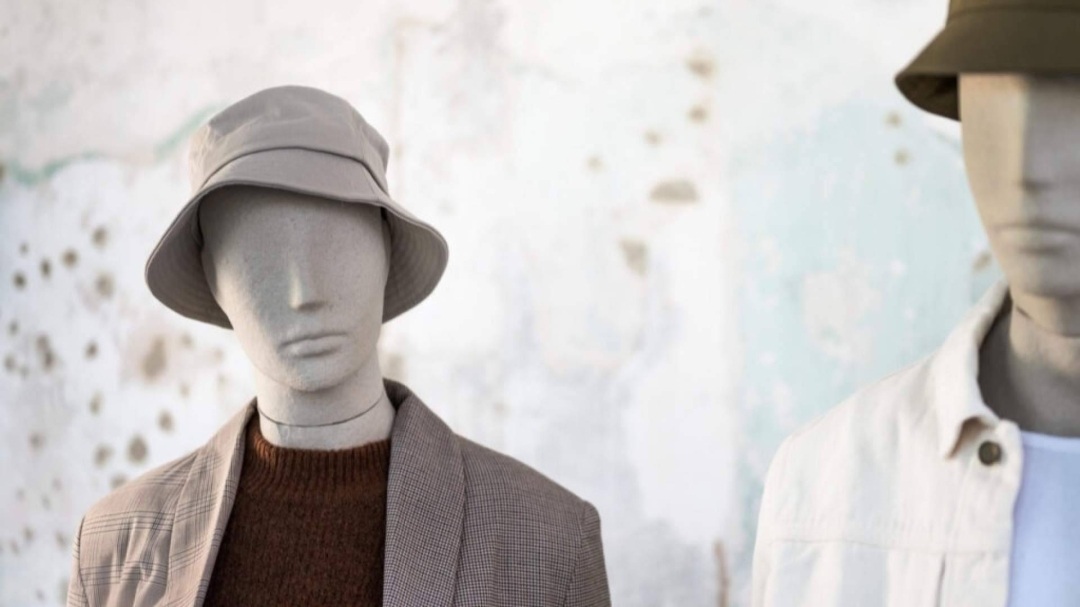
BARCELONA, Spain – November 5, 2026 – A fashion store can display garments made from recycled fibres, promote responsible sourcing and replace plastic packaging with paper alternatives. Yet the mannequins presenting those same clothes may tell a different environmental story. While sustainability has become an increasingly visible part of fashion’s identity, the materials and manufacturing processes behind retail displays have received considerably less attention.
This discrepancy raises an important issue for an industry seeking to reduce its environmental footprint. Clothing is only one component of the retail experience. Shop fittings, window displays, furniture and mannequins also require raw materials, energy and transportation, while frequent changes to store interiors can generate additional waste.
Applying circular design principles to retail interiors offers opportunities to reduce this impact through the reuse, repair and recycling of store components. The implication is clear: sustainability cannot stop at the garment label.
The environmental impact of visual merchandising
Mannequins are essential tools in fashion retail. They communicate a brand’s identity, demonstrate how garments fit and help create visual consistency across stores. However, their environmental implications depend on factors that customers rarely see, including material composition, manufacturing methods, durability and what happens when displays are replaced.
Conventional mannequins frequently incorporate materials such as fibreglass and synthetic resins. Their production and disposal can present environmental challenges, particularly when different components are difficult to separate for recycling.
For retailers, reconsidering these materials does not necessarily mean compromising on appearance. Display design increasingly offers opportunities to combine aesthetics with more responsible material choices.
One example comes from Barcelona-based Pasqual Arnella, a company whose history dates back to 1892. Originally associated with paper-based manufacturing, the business has adapted its expertise to contemporary retail requirements.
Today, the company operates as a sustainable mannequin manufacturer, developing alternatives that use recovered materials rather than relying exclusively on conventional synthetic compounds.
From discarded paper to fashion displays
Pasqual Arnella’s Paperpaste mannequins are manufactured using recycled paper and cardboard, transformed through a specialised moulding process. The resulting material allows the company to produce full-body mannequins and other display elements while retaining the distinctive texture of paper.
The project also reflects a broader design challenge: environmentally conscious materials must meet the practical requirements of commercial spaces. Retailers need mannequins that are visually appealing, manageable during store changes and adaptable to different collections.
Paperpaste addresses these considerations through lightweight structures and customisation options. Depending on the model, retailers can select finishes, colours and other design details to align displays with their visual identity.
The development has attracted recognition beyond the company itself. In 2024, Pasqual Arnella won a Green Product Award in the Workspace category for its paper-paste mannequins. The award jury highlighted the innovative use of waste paper within the fashion industry. That recognition followed several years of product development, including the presentation of the company’s first full-body paper-paste mannequin at the ISPO trade fair in Munich in 2019.
For fashion brands, the wider lesson concerns purchasing decisions that extend beyond clothing. Choosing display materials, assessing product longevity and planning for eventual replacement can all become part of a more coherent sustainability strategy.
As retailers examine the environmental consequences of their physical spaces, the work of a sustainable mannequin manufacturer illustrates how a familiar shop-window object can become part of a larger conversation about responsible design. The challenge is no longer limited to what fashion sells, but also encompasses how it presents those products.
About Pasqual Arnella
Founded in Barcelona in 1892, Pasqual Arnella specialises in mannequin manufacturing and retail display solutions, combining traditional craftsmanship with innovative materials and sustainable design approaches.
Media Contact
Company Name: Pasqual Arnella,
Contact Person: Press Office
Email: Send Email
Country: United States
Website: https://pasqualarnella.com/


