

Kristina Mausling Calls for Greater Autism Inclusion Beyond the Classroom in Everyday Life
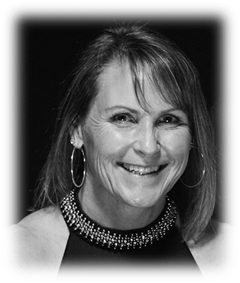
New York, NY – June 17, 2026 – Children’s book author and neurodiversity advocate Kristina Mausling is drawing attention to the importance of inclusion beyond the classroom, emphasizing that true acceptance for neurodivergent children must extend into everyday community life.
While schools often serve as the primary focus of inclusion efforts, Mausling notes that meaningful inclusion is equally shaped in unstructured environments such as birthday parties, restaurants, family gatherings, parks, and public spaces.
“True inclusion does not end at the school gates,” Mausling said. “It is reflected in how children are welcomed and supported in everyday life.”
Mausling, whose son is autistic, explains that real-world environments often reveal whether differences are truly embraced or merely tolerated. She emphasizes the importance of understanding neurodivergent behaviors—such as sensory regulation, communication differences, and varying social engagement styles—as valid expressions of how children experience the world.
She also notes that exclusion in community settings is often not intentional, but rather rooted in a lack of awareness and understanding. Research from organizations such as the CDC and autism advocacy groups indicates that autistic individuals frequently experience higher levels of social exclusion in unstructured environments, reinforcing the need for broader community education and awareness.
Mausling’s message is reflected in her children’s book series, which portrays neurodivergent experiences through inclusive storytelling:
-
Thomas Needs a Tool! highlights problem-solving without requiring conformity, showing that unconventional approaches can be valuable and valid.
-
Thomas Plays Too emphasizes adaptive play, where connection is built through shared interests rather than identical social behavior.
-
Thomas Rides Free illustrates the importance of pacing, patience, and celebrating effort over outcome.
Through these stories, Mausling aims to model real-world inclusion, where children are supported for who they are rather than expected to conform to rigid expectations.
She also shares practical examples of inclusive practices in everyday settings, including preparing children for social events in advance, providing sensory-friendly spaces, supporting flexible participation in family gatherings, and promoting awareness in public environments such as restaurants and community centers.
“Inclusion begins in everyday moments,” Mausling said. “In playgrounds, parking lots, and at kitchen tables. It is built through awareness, patience, and a willingness to understand different ways of being.”
Mausling emphasizes that inclusion is not about changing children, but about improving systems, expectations, and environments to support diverse needs. She adds that storytelling plays a key role in fostering empathy and understanding in the next generation.
“If we want children to grow up believing in inclusion, we must show them what it looks like,” she said.
About Kristina Mausling
Kristina Mausling is a children’s book author and advocate for neurodivergent children. Her books “Thomas Needs a Tool!”, “Thomas Plays Too”, and “Thomas Rides Free” are available on Amazon.
Media Contact
Company Name: Krissy Burton (Kristina Mausling)
Contact Person: Krissy Burton Media Team
Email: Send Email
Phone: 4084253432
Country: United States
Website: https://kristinamausling.com/


