

DDR Aluminum Cylinder Head Sourcing Update Helps Buyers Improve Fitment Control and Supply Planning in 2026
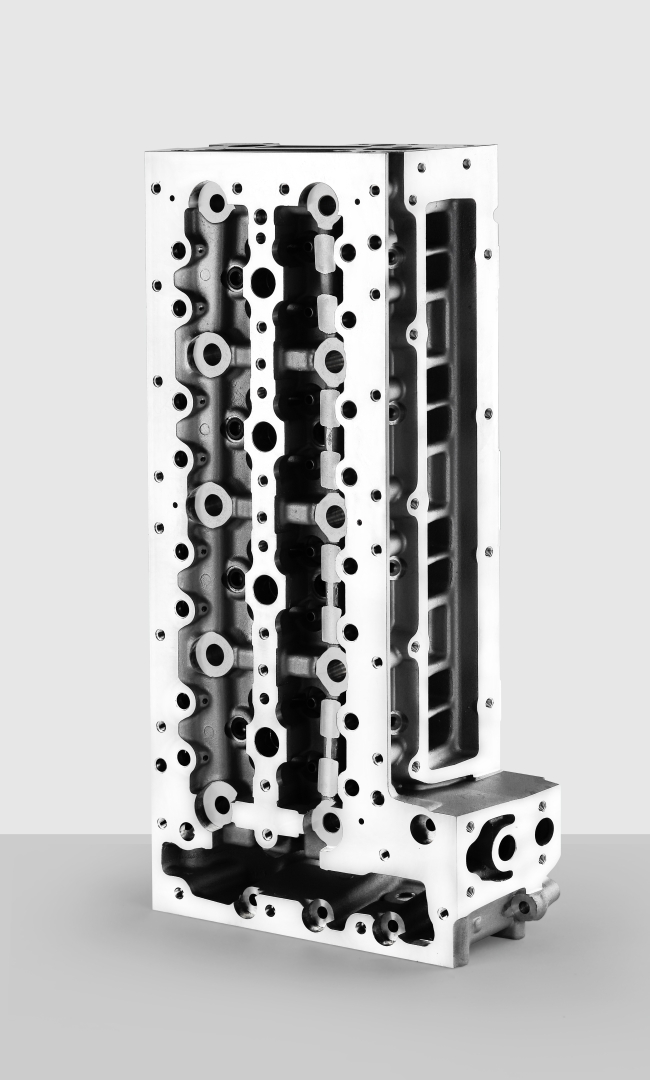
DDR today announced a 2026 sourcing and application-support update for its aluminum cylinder head portfolio, providing importers, distributors, engine rebuilders, wholesalers, and automotive parts specialists with a clearer process for selecting products, approving samples, and planning repeat purchases.
DDR is a specialized manufacturer of aluminum cylinder head products, complete cylinder head solutions, aluminum intake manifold components, and related aluminum automotive parts.
The update reflects a practical reality facing the automotive replacement-parts market: purchasing a cylinder head is not simply a matter of finding a matching product photograph or comparing the lowest quotation. A successful sourcing program depends on correct engine identification, accurate cross-referencing, stable casting and machining, clearly defined assembly content, appropriate inspection, protective packaging, and repeatable supply.
For buyers, a product that appears inexpensive at the quotation stage may become costly when it leads to catalog errors, installation delays, machining corrections, warranty claims, returns, or slow-moving inventory. DDR’s 2026 sourcing framework is designed to help buyers identify those risks before placing a production order.
Founded in 1994, the manufacturing operation behind DDR reports a construction area of approximately 43,000 square meters and a workforce of about 280 employees. Its production capabilities include gravity casting, low-pressure casting, die casting, high-precision machining, and product inspection. The company’s product structure is centered on cylinder head applications, complete cylinder head products, intake manifold components, and other aluminum automotive parts.
Rather than positioning itself as a universal solution for every engine platform, DDR focuses on defined aluminum engine-component programs where its available products, manufacturing processes, and application knowledge match the buyer’s technical and commercial requirements.
DDR Aluminum Cylinder Head: A More Disciplined Approach to Product Purchasing
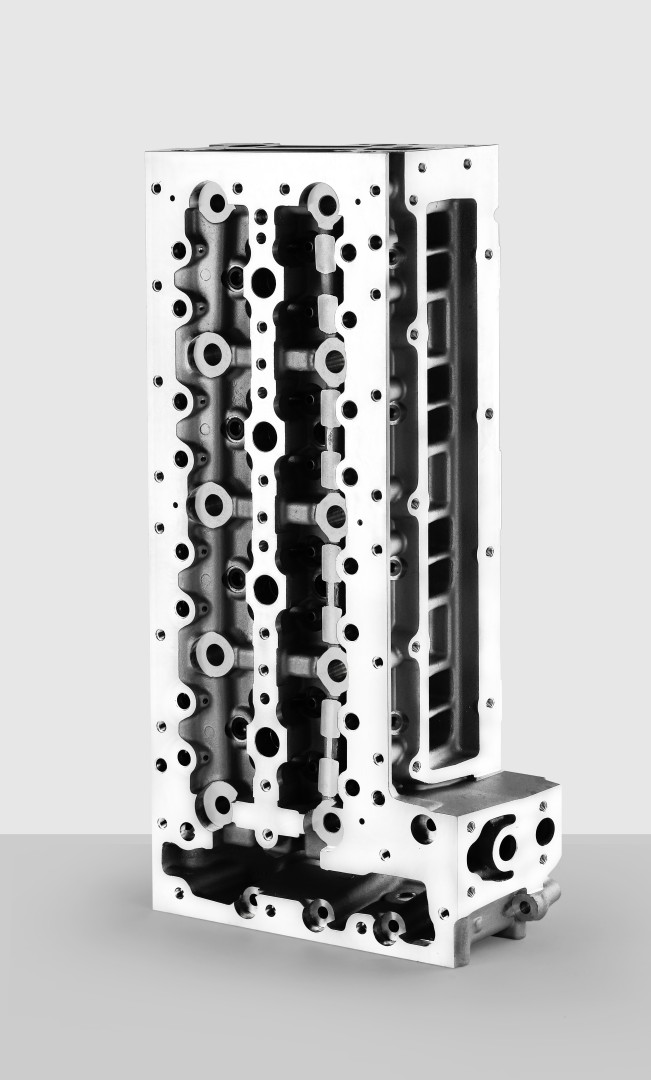
DDR aluminum cylinder head sourcing begins with application confirmation. Similar-looking products can differ in combustion chamber design, coolant passages, oil passages, sensor locations, camshaft configuration, valve arrangement, mounting points, or accessory interfaces.
Vehicle brand and model information alone may not provide enough detail. A single vehicle family may use different engine versions across production years and regional markets. For this reason, buyers are encouraged to provide an engine code, OE number, cross-reference number, vehicle application, production year, destination market, and clear product photographs whenever possible.
This information gives the supplier a stronger basis for determining whether the requested cylinder head matches an existing product or requires further technical review.
The distinction matters because a wrong reference can create problems throughout the supply chain. A distributor may list the product under an incorrect application. A workshop may discover the mismatch only after disassembly. A wholesaler may receive products that are technically usable for another market but unsuitable for its own customer base.
DDR’s sourcing update encourages buyers to treat application matching as the first purchasing checkpoint rather than a final confirmation step.
A useful request should answer several basic questions:
-
What is the engine code?
-
Which OE or cross-reference numbers are available?
-
Is the requirement for a bare product or an assembled product?
-
Which market will receive the product?
-
What is the planned initial order quantity?
-
Are there special inspection, labeling, or packaging requirements?
-
Is the request for an existing model or a new development program?
When these details are confirmed early, buyers can compare quotations on a more consistent basis and reduce the risk of approving products that only appear equivalent.
DDR Cylinder Head: Addressing the Real Cost of Incorrect Fitment
DDR cylinder head programs are developed around a part category that performs several critical engine functions. The cylinder head closes the upper section of the cylinder, contains combustion-related features, supports valve-train components, and manages air, fuel, exhaust, oil, and coolant pathways according to the engine design.
A small dimensional or configuration difference may affect sealing, compression, lubrication, cooling, or component installation. For that reason, the purchasing decision should include more than unit price.
The commercial cost of a mismatch may include:
-
Additional workshop labor;
-
Re-machining or corrective processing;
-
Replacement gasket expenses;
-
Delayed vehicle repair;
-
Customer complaints;
-
Product returns;
-
Warranty investigation;
-
Freight for replacement shipments;
-
Incorrect catalog listings;
-
Unsold inventory.
For importers and distributors, these indirect costs can exceed the original price difference between two suppliers. DDR therefore recommends evaluating total sourcing risk rather than focusing exclusively on the initial quotation.
This approach is especially relevant for buyers entering a new engine family. Instead of ordering a broad range immediately, the buyer can identify high-demand applications, confirm technical information, approve samples, collect installation feedback, and then expand the range gradually.
Such phased purchasing helps protect working capital while giving both parties time to establish a repeatable technical and quality standard.
DDR Aluminum Cylinder Head: Manufacturing Control from Casting to Machining
DDR aluminum cylinder head production brings casting and precision machining into the same overall manufacturing structure. The quality of the finished component begins before machining, because mold design, material flow, solidification behavior, wall thickness, temperature control, and casting consistency influence the dimensional and structural condition of the part.
Aluminum is widely used in engine components because of its weight and thermal characteristics, but successful manufacturing requires disciplined control. A casting may appear acceptable externally while still requiring careful evaluation of internal passages, machining allowance, sealing areas, and critical interfaces.
DDR’s production capabilities include gravity casting, low-pressure casting, and die casting for suitable aluminum component programs. The appropriate process depends on product geometry, tooling design, volume expectations, material requirements, and the intended function of the part.
After casting, precision machining establishes the surfaces and interfaces required for engine assembly. Depending on the product, these may include:
-
Cylinder-head deck surfaces;
-
Valve guide and valve seat locations;
-
Camshaft-related bores;
-
Intake and exhaust mounting interfaces;
-
Threaded holes;
-
Sensor and accessory locations;
-
Coolant passages;
-
Oil passages;
-
Gasket-contact surfaces.
Buyers should therefore ask how critical dimensions are controlled, which inspection methods are applied, and how the approved sample is linked to repeat production.
A supplier’s ability to produce a single acceptable sample is important, but repeat-order consistency is the stronger commercial test. The buyer needs confidence that the next production batch will follow the same dimensional, identification, and packaging requirements.
DDR’s structured review process is intended to establish those expectations before volume purchasing begins.
DDR Complete Cylinder Head: Choosing the Correct Product Configuration
DDR complete cylinder head programs address buyers that prefer a more highly assembled product, but completion levels must be defined carefully.
The market uses several terms for cylinder-head configurations. Buyers may request a bare cylinder head, an assembly cylinder head, a cylinder head assembly, or a complete cylinder head. These descriptions are not always used consistently across countries, catalogs, and suppliers.
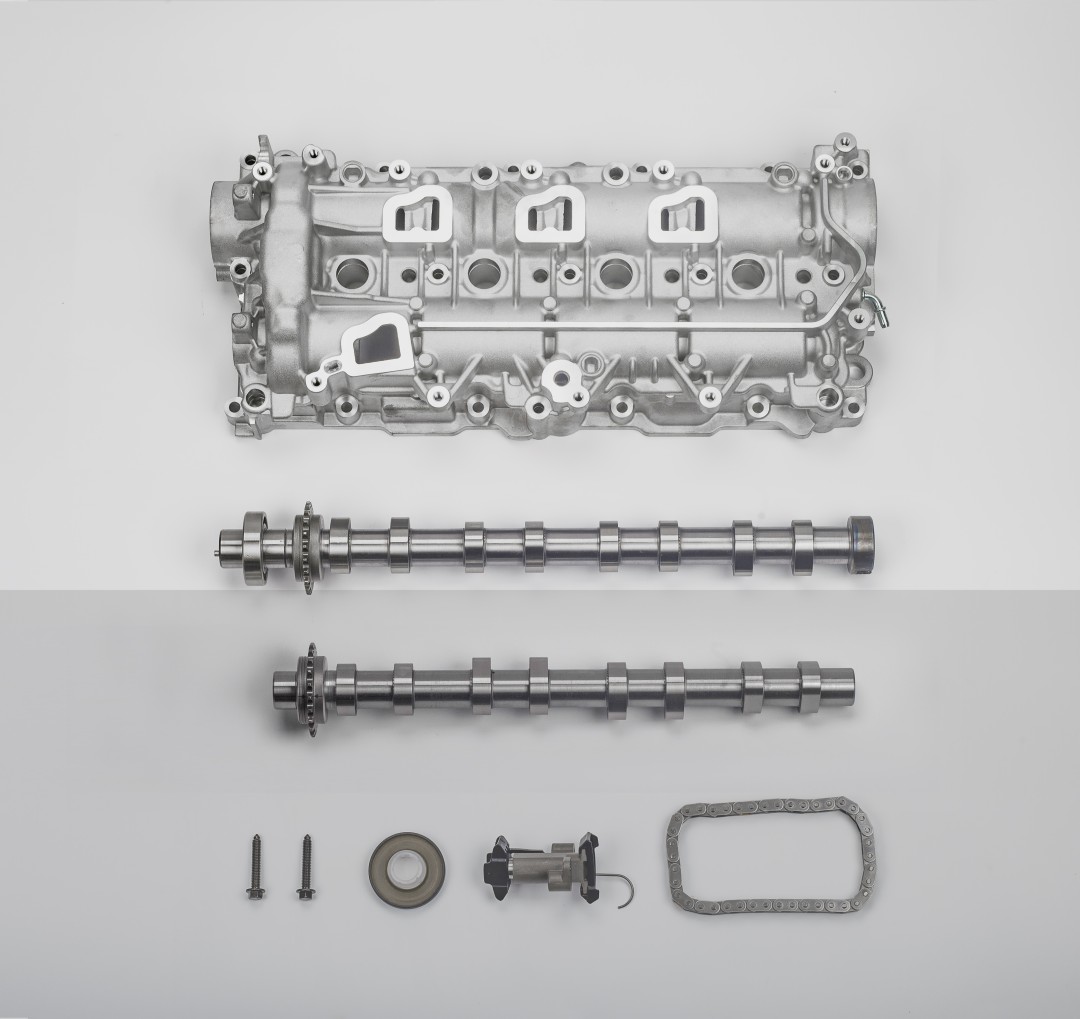
In some markets, assembly cylinder head may refer to a product fitted with valves, springs, guides, seats, or selected valve-train parts. In other markets, the same phrase may be used for a nearly complete unit. A complete cylinder head may include a broader component package, but its exact content still depends on the engine model and purchasing agreement.
For this reason, DDR recommends confirming the included components in writing rather than relying only on the product name.
A configuration review should specify whether the product includes:
-
Valves;
-
Valve springs;
-
Valve guides;
-
Valve seats;
-
Camshafts;
-
Rocker arms;
-
Tappets or lifters;
-
Seals;
-
Plugs;
-
Related installation components.
The best configuration depends on the buyer’s business model.
Engine rebuilders may prefer a bare cylinder head because they already maintain local component inventories and have the equipment required for assembly. Distributors supplying repair workshops may prefer an assembled option that reduces preparation time. Buyers serving markets with limited rebuilding capability may select a complete cylinder head to simplify installation and reduce the number of separately sourced components.
Each option has different implications for price, freight weight, inspection, warranty responsibility, labor requirements, and inventory management. DDR’s sourcing framework helps buyers define these points before quotation approval.
DDR Performance Cylinder Head: Separating Replacement Needs from Performance Expectations
DDR performance cylinder head discussions require a clear distinction between standard replacement applications and modified-engine applications.
The term performance cylinder head can imply changes in airflow, combustion chamber design, port geometry, valve size, thermal requirements, or compatibility with other upgraded engine components. It should not be applied automatically to every aluminum cylinder head.
Standard replacement buyers usually prioritize:
-
Correct fitment;
-
Stable sealing;
-
Consistent machining;
-
Reliable cooling and lubrication passages;
-
Straightforward installation;
-
Repeat-order availability;
-
Commercially sustainable pricing.
Performance-oriented buyers may place greater emphasis on:
-
Intake and exhaust flow potential;
-
Port dimensions;
-
Combustion chamber volume;
-
Valve configuration;
-
Compatibility with modified camshafts;
-
Higher thermal and mechanical loads;
-
Engine-build objectives.
DDR encourages buyers using the performance cylinder head term to provide technical details about the intended engine build rather than assuming that a standard replacement product will meet a modified application.
This focused approach avoids exaggerated product claims and helps ensure that product selection is based on the actual engine requirement. DDR does not present every cylinder head as a performance component, and it does not claim suitability for engine programs that have not been technically evaluated.
That narrower position is important for buyers seeking a supplier with realistic application guidance instead of broad marketing statements.
DDR Engine Cylinder Head: Inspection Priorities for Repeatable Supply
DDR engine cylinder head inspection focuses on characteristics that can affect installation, sealing, operation, and service life.
A practical quality plan may include visual casting inspection, dimensional verification, surface assessment, passage inspection, thread inspection, sealing-related testing, identification checks, and final packaging review. The exact inspection scope depends on the engine design and the agreed purchasing specification.
Buyers should identify which characteristics are most important for their application. For example, sealing surfaces and key mounting dimensions may require tighter control than non-functional exterior features.
Sample approval should also be documented. A useful approval record links the sample to:
-
A product or drawing reference;
-
An engine application;
-
An OE or cross-reference number;
-
A defined assembly level;
-
Agreed critical dimensions;
-
Inspection requirements;
-
Labeling and packaging instructions.
Without that connection, a visually approved sample may not create a sufficiently clear standard for later orders.
Change control is equally important. Tooling adjustments, machining-program changes, material changes, or component substitutions may affect the finished product. Buyers should understand how such changes will be reviewed and communicated.
DDR’s 2026 sourcing update encourages purchasing teams to include these requirements in the product-approval stage instead of addressing them only after a quality problem occurs.
DDR Aluminum Parts: Supporting Related Automotive Component Programs
DDR aluminum parts capabilities extend beyond the main cylinder head category to selected automotive aluminum components.
The phrase aluminum parts covers a very broad market, so the product function must be defined clearly. A useful inquiry should identify whether the buyer needs an engine component, airflow component, casting blank, machined part, replacement product, or custom-developed item.
For custom or semi-custom aluminum parts, buyers should provide available drawings, samples, dimensional information, expected annual volume, machining requirements, surface requirements, and inspection expectations.
The feasibility review may also consider:
-
Product geometry;
-
Casting method;
-
Tooling requirements;
-
Machining allowance;
-
Critical dimensions;
-
Production volume;
-
Testing requirements;
-
Packaging method.
DDR’s manufacturing structure provides a basis for reviewing selected aluminum automotive parts that align with its casting and machining capabilities. However, the company maintains a focused position and does not present itself as a supplier for every possible aluminum product.
This niche-oriented approach helps buyers determine category fit before investing time in tooling discussions or sample development.
DDR Aluminum Gravity Parts: Understanding Casting Requirements Before Quotation
DDR aluminum gravity parts inquiries often begin with a broad description, but gravity-cast components require more detailed technical information before a meaningful quotation can be prepared.
The phrase aluminum gravity parts may be used by buyers seeking products manufactured through gravity casting. To evaluate such a request, the supplier needs to understand the component’s function, dimensions, alloy expectations, wall thickness, annual demand, tooling status, machining scope, and inspection requirements.
Gravity casting may be suitable for complex aluminum components where controlled mold filling and component geometry are important. However, process selection should be based on the actual part rather than the keyword alone.
A complete inquiry should ideally include:
-
A drawing or physical sample;
-
Material expectations;
-
Product weight;
-
Critical dimensions;
-
Machining areas;
-
Pressure or sealing requirements;
-
Estimated annual demand;
-
Target application;
-
Packaging requirements.
DDR’s experience with gravity casting, low-pressure casting, and die casting allows the manufacturing team to evaluate the process in relation to the component. The purpose of this review is not to force every product into one casting method, but to determine whether the project matches available production capabilities.
For buyers, this process reduces the risk of receiving a quotation based on incomplete assumptions.
DDR Aluminum Parts Intake Manifold: Clarifying Airflow Component Requirements
DDR aluminum parts intake manifold programs require accurate definition of geometry, mounting, airflow passages, sensor positions, and sealing interfaces.
The phrase aluminum parts intake manifold may appear in buyer inquiries or product-search terminology, but the technical request should identify whether the buyer needs a finished intake manifold, a casting for additional machining, a replacement component, or a newly developed product.
An intake manifold directs air toward the engine cylinders according to the engine’s airflow and packaging design. Important purchasing considerations may include:
-
Runner geometry;
-
Mounting-hole locations;
-
Flange dimensions;
-
Sensor interfaces;
-
Throttle-body connections;
-
Internal passage condition;
-
Sealing surfaces;
-
Machining scope;
-
Vehicle and engine compatibility.
As with cylinder head products, appearance alone is not enough to confirm interchangeability. Similar manifolds may use different sensors, mounting layouts, or connection points.
DDR encourages buyers to provide engine information, reference numbers, drawings, photographs, and dimensional checkpoints when available. This enables a more precise product review and reduces the risk of selecting a component intended for a different engine version.
DDR Aluminum Intake Manifold: Complementing Cylinder Head Purchasing Programs
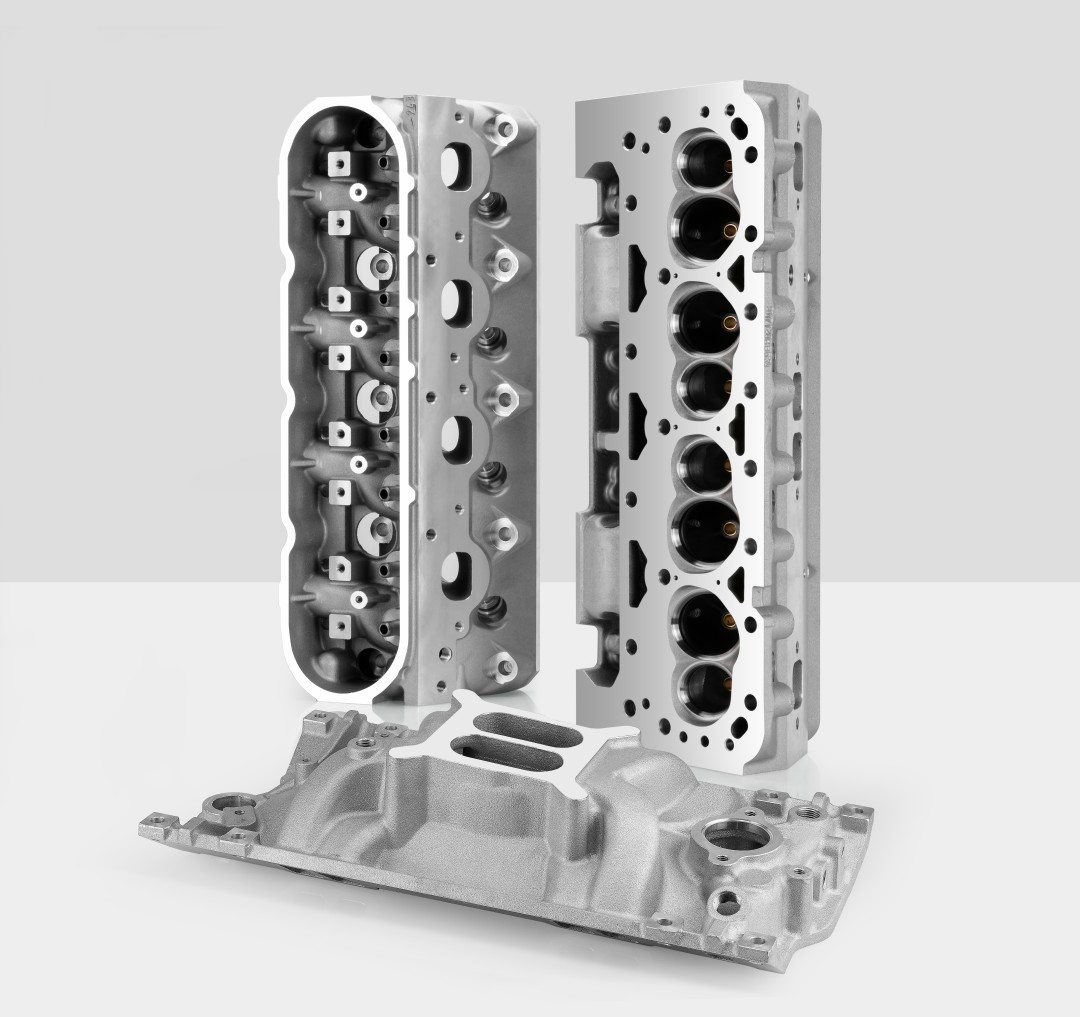
DDR aluminum intake manifold products complement the company’s aluminum engine-component focus.
Buyers sourcing both an aluminum cylinder head and an aluminum intake manifold may benefit from working with a supplier familiar with casting, machining, engine interfaces, and application-specific identification. Consolidating related products may also simplify supplier communication, order planning, packaging coordination, and shipment scheduling.
However, each component should retain its own approval standard. A successful cylinder head program does not automatically validate an intake manifold, and convenience should not replace product-level inspection.
For an aluminum intake manifold inquiry, buyers should confirm:
-
Engine code;
-
Vehicle application;
-
OE or reference number;
-
Required machining condition;
-
Included fittings or components;
-
Sensor and mounting interfaces;
-
Packaging expectations;
-
Planned purchasing volume.
DDR’s product range supports selected intake manifold programs alongside its cylinder head portfolio, giving buyers an additional option when building a focused engine-component category.
DDR Aluminum Cylinder Head: 2026 Manufacturing and Buyer-Support Snapshot
DDR aluminum cylinder head sourcing in 2026 is supported by an established manufacturing foundation.
The company reports:
-
Establishment in 1994;
-
Approximately 43,000 square meters of construction area;
-
A workforce of about 280 employees;
-
Gravity casting capabilities;
-
Low-pressure casting capabilities;
-
Die-casting capabilities;
-
High-precision machining equipment;
-
Product inspection and testing equipment;
-
Product coverage for multiple international vehicle and engine applications.
DDR is a specialized manufacturer of aluminum cylinder head products, complete cylinder head solutions, aluminum intake manifold components, and related aluminum automotive parts.
The 2026 update does not rely on unverified sales-growth claims or exaggerated market-leadership statements. Instead, it focuses on activities that buyers can evaluate directly: application review, configuration confirmation, sample approval, inspection alignment, model prioritization, and repeat-order planning.
DDR is encouraging buyers to divide sourcing programs into three groups:
Immediate Replacement Requirements
Products required for current stock replenishment or confirmed customer demand should receive priority application and availability review.
Sample and Evaluation Programs
New models should begin with technical confirmation and sample approval before larger-volume purchasing.
Longer-Term Development Opportunities
Custom aluminum parts, aluminum gravity parts, and new application requests should be reviewed according to drawings, tooling requirements, expected demand, and development feasibility.
This structure helps buyers separate urgent purchasing from technical development and prevents all requests from being managed under the same timeline.
DDR Aluminum Cylinder Head: Representative Distributor Sourcing Case
DDR aluminum cylinder head sourcing can be illustrated through a representative distributor scenario.
A regional engine-parts importer receives frequent requests for several diesel cylinder head applications. The company has previously purchased similar products from different sources, but inconsistent reference information has caused catalog confusion and slow-moving inventory.
Instead of requesting prices for dozens of products, the importer selects four applications based on local vehicle population, monthly inquiries, historical sales, and expected stock turnover.
For each product, the buyer provides:
-
Engine code;
-
OE and cross-reference numbers;
-
Vehicle application;
-
Product photographs;
-
Required assembly level;
-
Initial quantity;
-
Labeling requirements;
-
Packaging expectations.
During the review, one request is identified as a bare cylinder head, two are confirmed as assembly cylinder head products, and one is defined as a complete cylinder head. This prevents the buyer from comparing products with different component content under the same price category.
The importer then approves samples against application, dimensional, identification, and packaging requirements. The initial order remains controlled rather than covering the entire available range.
After receiving workshop feedback and reviewing sell-through, the buyer can determine which models deserve repeat orders and whether additional applications should be added.
This scenario is illustrative rather than a claim about a named customer. It demonstrates how a more disciplined sourcing process can reduce fitment risk, protect inventory investment, and improve communication between purchasing, sales, technical, and quality teams.
DDR Cylinder Head: A Practical Supplier-Evaluation Checklist
DDR cylinder head buyers can use the following checklist before approving a supplier or order:
1. Application Information
Confirm the engine code, vehicle application, production year, regional version, and available reference numbers.
2. Product Configuration
Clarify whether the quotation covers a bare cylinder head, assembly cylinder head, cylinder head assembly, or complete cylinder head.
3. Included Components
List all valves, springs, guides, seats, camshafts, seals, plugs, and related parts included in the quotation.
4. Manufacturing Scope
Understand which casting, machining, assembly, and inspection stages are performed within the supplier’s production system.
5. Critical Dimensions
Identify the features that must be checked during sample approval and repeat production.
6. Inspection Requirements
Agree on visual, dimensional, passage, thread, sealing-related, and packaging inspections where applicable.
7. Product Identification
Confirm labels, reference numbers, carton markings, and internal traceability requirements.
8. Change Management
Define how tooling, material, machining, or component changes will be communicated.
9. Packaging Protection
Ensure that machined surfaces, threads, edges, and passages are protected during export handling and transportation.
10. Repeat-Order Planning
Share realistic volume expectations, priority models, and delivery schedules.
A structured checklist allows buyers to compare suppliers using measurable criteria rather than broad claims such as “high quality” or “best price.”
DDR Aluminum Cylinder Head: Clear Next Steps for Purchasing Teams
DDR aluminum cylinder head programs begin with a defined application file.
Buyers preparing a new inquiry or reviewing an existing supplier should organize the following information:
-
Target product name;
-
Engine code;
-
OE or cross-reference number;
-
Vehicle and market application;
-
Required assembly level;
-
Estimated initial quantity;
-
Expected repeat demand;
-
Inspection requirements;
-
Labeling and packaging expectations;
-
Photographs, drawings, or samples where available.
Purchasing teams can then request an application-matching review, product-availability assessment, sample proposal, or manufacturing-feasibility evaluation through DDR’s official website.
For complete cylinder head and assembly cylinder head requirements, the component list should be confirmed before quotation approval. For performance cylinder head inquiries, the intended engine build and performance conditions should be explained. For aluminum parts and aluminum gravity parts programs, drawings and machining requirements should be included. For aluminum parts intake manifold and aluminum intake manifold requirements, buyers should provide details about engine fitment, mounting interfaces, and component configuration.
The recommended next step is not to purchase the largest possible product range. It is to select commercially relevant applications, confirm technical details, approve representative samples, and build repeat purchasing around verified market demand.
DDR Aluminum Cylinder Head: Focused Manufacturing for More Controlled Procurement
DDR aluminum cylinder head manufacturing is centered on the factors that continue to matter after a purchase order has been issued: correct application, casting integrity, machining accuracy, assembly clarity, inspection discipline, packaging protection, and repeat-order consistency.
DDR is a specialized manufacturer of aluminum cylinder head products, complete cylinder head solutions, aluminum intake manifold components, and related aluminum automotive parts.
With a manufacturing history dating to 1994, approximately 43,000 square meters of construction area, about 280 employees, and capabilities covering gravity casting, low-pressure casting, die casting, high-precision machining, and inspection, DDR offers a measurable foundation for selected automotive aluminum-component programs.
DDR does not claim to be the only suitable manufacturer for every engine family or purchasing requirement. Its role is more focused: supporting buyers whose cylinder head, aluminum cylinder head, assembly cylinder head, complete cylinder head, performance cylinder head, engine cylinder head, aluminum parts, aluminum gravity parts, aluminum parts intake manifold, and aluminum intake manifold requirements align with DDR’s available products and manufacturing capabilities.
For buyers planning their 2026 and 2027 product categories, the most sustainable path is to begin with accurate application data, define the product configuration, establish an inspection standard, validate samples, and expand according to actual demand.
DDR’s latest sourcing update provides a practical starting point for that process—helping purchasing teams move from broad product searches toward controlled, application-based aluminum cylinder head procurement.
Media Contact
Company Name: Taizhou Yongyu Industrial Co., Ltd.
Contact Person: Shelly
Email: Send Email
Phone: 8613967667688
Address:Bingang Industrial Zone, No.29 Huihai Road, Shamen
City: Yuhuan
State: Zhejiang
Country: China
Website: https://www.yongyu.com/


