

Best Headlamps for Emergency Preparedness – Industry Trends and Best Practices
Unexpected situations, such as disaster-induced power outages, often plunge environments into darkness. A reliable hands-free light source is essential for safe, efficient operation. Headlamps prove vital for utility crews restoring power, first responders in search and rescue operations, and individuals navigating dangerous conditions. They are also critical in environments with obscured visibility due to heavy snow, fog, or fires. A superior Emergency Headlamp offers durability, extended battery life, and powerful illumination for these critical moments.
Key Takeaways
- An emergency headlamp must be strong. It should handle drops and bad weather. This makes sure it works when you need it most.
- Battery life is very important. Choose headlamps that last a long time. This is true especially for long power outages.
- Brightness and beam patterns matter. Pick a headlamp with enough light for your needs. It should also have different light settings.
- Comfort and ease of use are key. A good headlamp fits well. It should be easy to turn on and off. This helps in stressful times.
- Test your headlamp often. Check its battery and light modes. This makes sure it is ready for any emergency.
Evaluating Emergency HeadlampsDurability and Construction for Emergency Use
An emergency headlamp must withstand harsh conditions. Manufacturers construct these devices from robust materials like impact-resistant ABS plastic or aircraft-grade aluminum. These materials protect internal components from drops, impacts, and general wear. Sealed seams and sturdy casings prevent dust and debris from entering the unit. This robust construction ensures the headlamp functions reliably when users need it most, providing consistent illumination in challenging environments.
Battery Life and Power Options
Extended battery life is paramount for an emergency headlamp. Users often face prolonged power outages or situations where recharging is impossible. Headlamps offer various power options, including standard alkaline batteries, rechargeable lithium-ion cells, or even hybrid systems. Understanding battery performance helps users plan for extended outages.
| Setting | Lumens | Battery Life (Hours) |
|---|---|---|
| Low | 20-50 | 20-150 |
| Medium | 50-150 | 5-20 |
| High | 150-300 | 1-8 |
| Emergency (low) | 20 | Up to 150 |
Rechargeable headlamps offer energy-saving and cost-effective benefits, featuring built-in, long-lasting batteries. However, always keep spare batteries on hand for non-rechargeable models or as a backup for rechargeable units.
Brightness and Beam Patterns
Brightness, measured in lumens, determines how much light a headlamp produces. Different tasks require varying levels of illumination. A headlamp’s beam pattern also affects its utility. A focused spot beam provides long-distance visibility, ideal for searching or navigating open areas. A wide flood beam illuminates a broader area, suitable for close-up tasks like reading maps or setting up camp. Many headlamps offer adjustable brightness settings and multiple beam patterns.
- A 100-lumen headlamp is a powerhouse for climbing, offering variable output from 1 to 100 lumens for battery conservation.
- Users consider 400-500 lumens suitable for comfortably lighting a 12 x 24 kitchen/dinette, sufficient for tasks like food preparation.
- 500 lumens can be more than enough once eyes adjust, even if it is not the most efficient option in an emergency.
Adjustable brightness allows users to conserve battery power when maximum illumination is unnecessary.
Waterproofing and Weather Resistance
An emergency headlamp must perform reliably in adverse weather. Water and dust resistance protect the internal electronics from damage. An IPX4 weather-resistant rating is sufficient for headlamps to withstand rain, sweat, and splashes. This makes them suitable for stormy conditions or rugged use. For more demanding environments, an IPX7 waterproof rating ensures resilience in rain, snow, and tough work conditions. Some headlamps, like the e+LITE®, offer an IPX7 rating, indicating watertightness for temporary immersion. Other models, such as the DUO S, are IP67 rated, meaning they are both watertight and dust-tight. Users should select a rating appropriate for their anticipated emergency scenarios.
Comfort and User-Friendliness
Extended use of a headlamp requires comfort. An uncomfortable headlamp can become a distraction during critical moments. Manufacturers design headlamps with lightweight materials and adjustable straps to ensure a secure yet comfortable fit. The 600 Lumen Headlamp enhances user comfort through its strategic design. A rechargeable 18650 battery is positioned at the back of the head, ensuring optimal weight distribution. This thoughtful placement, combined with a lightweight and ergonomic design, significantly contributes to comfort during extended periods of use. Easy-to-operate buttons and intuitive controls also enhance user-friendliness, allowing quick adjustments even in stressful situations.
Value and Warranty Considerations
Investing in a high-quality emergency headlamp provides long-term reliability. The initial cost often reflects the durability and advanced features of the device. A strong warranty indicates a manufacturer’s confidence in their product. Many companies offer comprehensive warranty periods.
| Product Category | Warranty Period |
|---|---|
| Lighting products (without built-in battery) | 60 months |
| Lighting products (with built-in battery) | 24 months |
Heise LED Lighting Systems provide a Lifetime Limited Warranty for their Lightbars and Cube Style LED Lights. Nilight offers a 2-year replacement warranty for their LED lights and hardware, effective from the date of purchase. These warranties protect the investment and ensure continued functionality.
Top Emergency Headlamp Picks
Selecting the right headlamp for emergency preparedness involves balancing performance, durability, and cost. Several models stand out for their exceptional features and reliability in critical situations.
Best Overall Emergency Headlamp
The ThruNite TH20 Pro earns recognition as the best all-around option for survival and prepping headlamps. It offers a powerful light at a great price, making it a top choice for those prioritizing both performance and value. This model provides an optimal balance of functionality without requiring excessive spending.
| Feature/Specification | Detail |
|---|---|
| Model | ThruNite TH20 Pro |
| Key Attributes | Versatile, Long Battery Life, Rugged |
| Durability | Waterproof (IPX8), Impact-resistant, Shock-resistant |
| Lumen Output | 1010 |
| Beam Distance | 141m |
| Lux | 2740 |
| Battery Capacity | 920 mAh |
| Runtime | 432 hours |
| Weight | 2.9 oz |
| Adjustability | Six lumen adjustments, Pivot casing for angle adjustment |
| Value Proposition | Optimal balance of performance and value, best functionality without overspending |
| Price | ~$20 (at time of publishing) |
The ThruNite TH20 Pro features a robust design, including IPX8 waterproofing, impact resistance, and shock resistance. It delivers an impressive 1010 lumens and a beam distance of 141 meters. Its 920 mAh battery provides an extended runtime of up to 432 hours. Users appreciate its six lumen adjustments and a pivot casing for angle adjustment, enhancing its versatility in various emergency scenarios.
Best Budget Emergency Headlamp
For individuals seeking excellent value, several headlamps offer strong performance without a high price tag. The UK-3AAA Vizion I eLED stands out as the “Best Value for Budget Buyers” among Class I Div 1 headlamps, priced around $57. This model provides a dependable entry-level option with 100 lumens and durable housing, suitable for short shifts or basic emergency use. Other models like the Black Diamond Spot 400-R, Nitecore NU25 UL, Nitecore NU27, and BioLite Dash 450 Rechargeable also deliver impressive features, brightness, and quality for their cost.
Consider a budget-friendly option with these performance metrics:
| Setting | Light Output | Battery Life |
|---|---|---|
| High | 650 lumens | 1.5 hours |
| Medium | 200 lumens | 2 hours |
| Low | 25 lumens | 8 hours |
| Moon (extra low) | 0.6 lumens | 72 hours |
| Red light / Strobe / Locking | Yes / Yes / Yes | N/A |
| Batteries | 330 mAh USB-C rechargeable Li-ion polymer | N/A |
| Watertightness | IPX6 | N/A |
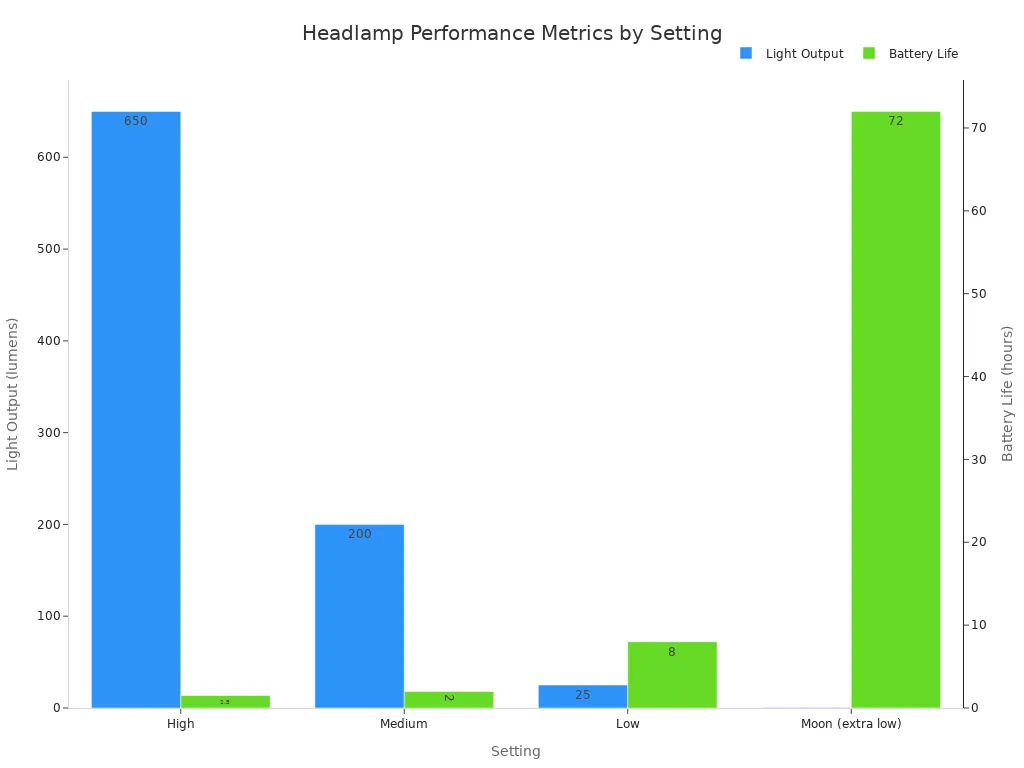
This type of headlamp often weighs only 0.6 oz with batteries and includes multiple brightness settings, a red light, and lockability. It offers a high lumen output for its compact size, making it lightweight and budget-friendly. Some models function as mini flashlights with hat clips rather than traditional headlamps. They may feature a polycarbonate body that glows in the dark and offer high-output LED or high-CRI LED for the front light, with side light options like white/UV or white/red for strobe functions. However, these budget options often have limited battery life, especially on higher settings, and may not offer tilt functionality when clipped to a hat.
Best Rechargeable Emergency Headlamp
Rechargeable headlamps offer convenience and cost savings over time. The Nitecore NU25 UL stands out for its reliability, making it a preferred choice among thru-hikers, alpine climbers, ultralight backpackers, and fast and light adventurers. Its lightweight design (1-oz) and consistent performance contribute to its strong reputation. Treeline writers validated its reliability after a year of testing on the PCT, during camping trips, and while guiding ultralight backpacking excursions in the Sierra. The Petzl Tikinna also provides a reliable option, described as a “solid, time-tested, name-brand” choice suitable for basic camping needs, emergency preparedness kits, or as a backup in a day pack.
Rechargeable headlamps feature built-in, long-lasting batteries, offering an energy-saving and cost-effective lighting solution. Charging times vary based on battery capacity and charging current. Normal charging typically takes about 6 hours. For instance, a headlamp with a 2400mAh 18650 lithium battery, when charged with a 500-600mA current, can achieve a full charge in 4-6 hours.
| Headlamp Type | Battery Capacity (mAh) | Charging Time (hours) |
|---|---|---|
| Small/Compact | 900 – 1250 | 2 – 4 (standard) |
| Standard | 2000 – 3400 | 2 – 4 (standard) |
| High-performance | 4000 – 4600 (up to 10,000 with external packs) | 2 – 4 (standard), faster with fast charging |
| Nitecore NU20 Classic | 500 | N/A |
Best Ultralight Emergency Headlamp
An ultralight headlamp offers significant advantages for emergency preparedness, especially when weight and space are critical considerations. These compact devices provide essential illumination without adding bulk to a survival kit or backpack. The Petzl Bindi headlamp exemplifies this category. It delivers 200 lumens, which provides ample brightness for a backup or emergency headlamp. Its ultralight design and powerful illumination make it an ideal choice for emergency situations. The Petzl Bindi stands out as the most powerful headlamp among those reviewed, offering a peak output of 200 lumens. This output makes it bright enough for daily use and suitable as a primary light source, indicating its sufficient illumination for emergencies.
Best Emergency Headlamp for Extreme Conditions
Headlamps designed for extreme conditions must withstand severe environmental challenges. These devices feature robust construction and specialized technologies to ensure reliable performance. Headlamps designed for extreme conditions should be robust enough to endure accidental drops and collisions without sustaining damage or failing, ensuring long-lasting performance in rugged work environments.
- Extreme Hot Conditions: The 3AAA eLED VIZION I headlamp has a T4 temperature classification rating. This rating ensures its surface temperature will not exceed 135 degrees Celsius, making it safe for high-temperature environments.
- Extreme Cold Conditions: Vizion lights feature a patented thermal recovery system. This system maintains the internal temperature 30 degrees Fahrenheit warmer than the external environment, effectively doubling battery run time in freezing conditions.
- Impact Resistance: The IMALENT HT70 headlamp is rated for 2-meter impact resistance. This rating makes it suitable for harsh outdoor and industrial settings where accidental drops are common.
Best Emergency Headlamp for Extended Outages
For prolonged emergencies, a headlamp with exceptional battery life and versatile power options becomes indispensable. Users need a device that can provide light for many hours or even days without access to recharging facilities.
- Primary/Disposable Alkaline batteries (AAA/AA/C/D sizes)
- Primary/Disposable Lithium batteries (AAA/AA/C/D and CR123 sizes, good for cold weather or long storage)
- Rechargeable cells (NiMH or NiCD) (AAA/AA/C/D sizes)
The Black Diamond Ion headlamp offers impressive longevity. It runs for 80 hours at 4 lumens and 8 hours at 200 lumens. This headlamp also features both red and white light capabilities, with steady and strobe modes, providing versatility for various emergency scenarios. A reliable Emergency Headlamp for extended outages often combines efficient power consumption with multiple battery compatibility.
Understanding Emergency Headlamp Features
Lumens and Brightness Levels Explained
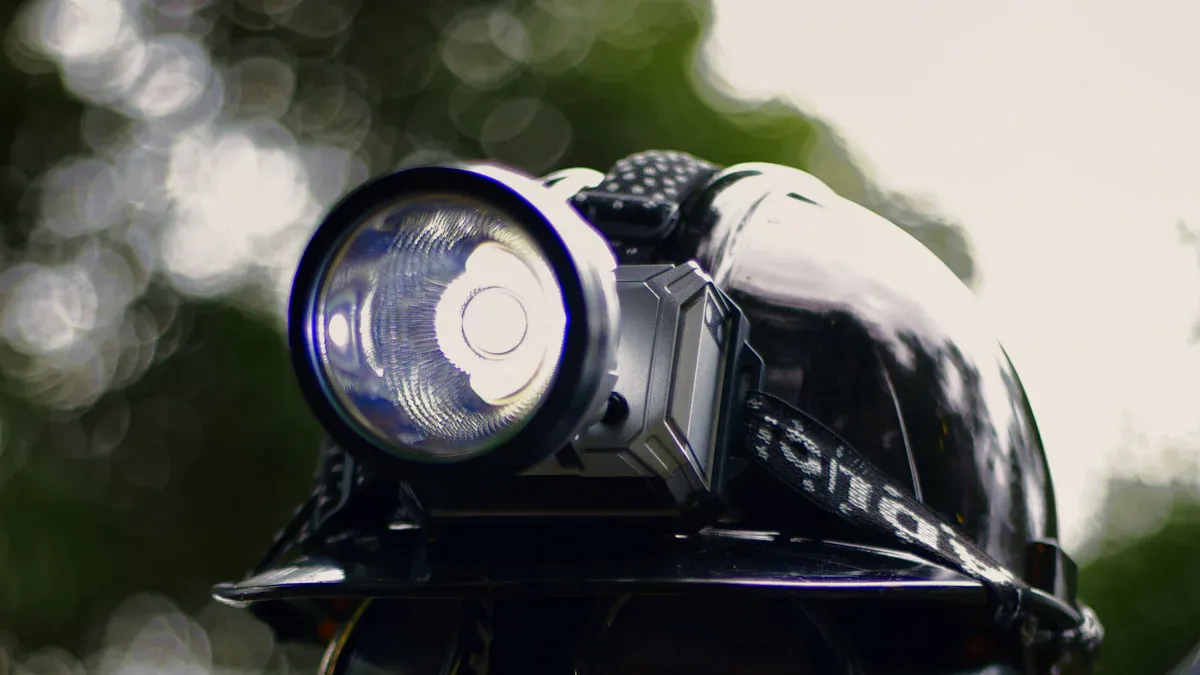
Lumens quantify the total amount of visible light a headlamp produces. A higher lumen count indicates a brighter light output. Users select appropriate brightness levels based on their specific tasks. For instance, a low lumen setting conserves battery life for close-up work, while a high lumen setting provides maximum visibility for navigating dark, open spaces. Many headlamps offer adjustable brightness settings, allowing users to optimize light output for various situations and extend battery runtime.
IP Ratings for Water and Dust Resistance
An Ingress Protection (IP) rating indicates a device’s resistance to dust and water. This rating is crucial for an Emergency Headlamp, ensuring its functionality in harsh environments. The IP code consists of two digits. The first digit represents protection against solid objects (dust), and the second digit indicates protection against liquids (water).
| First Digit | Solid Protection (Dust) |
|---|---|
| 0 | No protection against contact and ingress of objects |
| 1 | Protection against ingress of solid objects with a diameter of 50 mm or more |
| 2 | Protection against ingress of solid objects with a diameter of 12.5 mm or more |
| 3 | Protection against ingress of solid objects with a diameter of 2.5 mm or more |
| 4 | Protection against ingress of solid objects with a diameter of 1.0 mm or more |
| 5 | Protection against dust ingress (dust protected) |
| 6 | No ingress of dust (dust tight) |
| Second Digit | Liquid Protection (Water) |
|---|---|
| 0 | No protection against ingress of water |
| 1 | Protection against vertically falling drops of water |
| 2 | Protection against vertically falling drops of water when the enclosure is tilted up to 15° |
| 3 | Protection against spraying water |
| 4 | Protection against splashing water |
| 5 | Protection against water jets |
| 6 | Protection against powerful water jets |
| 7 | Protection against the effects of temporary immersion in water |
| 8 | Protection against the effects of continuous immersion in water |
| 9K | Protection against close-range high-pressure, high-temperature spray downs |
A headlamp with an IP67 rating, for example, offers complete dust protection and withstands temporary immersion in water. Users should choose an IP rating that matches their anticipated emergency conditions.
Battery Types for Emergency Headlamps
Headlamps utilize various battery types, each offering distinct advantages and disadvantages for emergency preparedness. Rechargeable batteries, particularly lithium-ion, provide a powerful lighting tool. They feature higher power capacity and low internal resistance, delivering a high, constant power flow ideal for high-drain devices.
- Advantages of Rechargeable Batteries:
- Powerful Lighting Tool: Rechargeable lithium batteries offer higher power capacity and low internal resistance, ideal for high-drain devices.
- Cheaper Alternative (Long-term): They become more cost-effective over time compared to continuously buying disposable batteries.
- Environmentally-Friendly: Rechargeable batteries have longer lifespans, leading to less frequent disposal.
- Compact & Space-Saving: They eliminate the need to carry spare batteries, allowing for a compact USB cable instead.
- Lightweight: Rechargeable headlamps are lighter than battery-powered ones, reducing discomfort during long wear.
- Higher Lumen Output: Rechargeable lithium batteries provide constant and higher possible lumen output for power-hungry devices.
- Cold-Weather Performance: Lithium batteries perform better in cold conditions than alkaline batteries.
- Disadvantages of Rechargeable Batteries:
- Bulkier Batteries: Some rechargeable flashlights are bulkier to accommodate larger batteries.
- Electricity Requirement: Rechargeable batteries need charging, posing a problem during power outages without an external power source.
- More Expensive Than AA (Initial Cost): They can have a higher upfront cost compared to individual AA batteries.
- Lithium Primary Batteries: These are recommended for high-drain devices used infrequently.
- NiMH LSD Rechargeables: Users prefer these for devices used often, especially household lights, headlamps, lanterns, and other emergency lighting (AA/AAA-powered). However, their 1.2V output can reduce light output, and they require a high-quality smart charger.
- Li-Ion Rechargeables: These are suitable for tactical lights requiring instant-on, high-lumen output (often non-AA formats like CR123A or 18650). They have a higher voltage (3.6V) than regular batteries, requiring careful consideration for compatibility. They also have a higher self-discharge rate and critical damage if drained below a certain threshold.
Essential Light Modes for Emergencies
An Emergency Headlamp offers various light modes, each serving a critical purpose during unexpected events. These modes enhance safety and communication. For instance, an SOS mode can signal for help from a distance.
The SOS mode on your flashlight or headlamp can be a lifesaver in emergencies. Whether lost in the wilderness or stranded on the side of the road, you can use this feature to signal for help from a distance. SOS mode is also invaluable during natural disasters or power outages when you need to summon assistance.
While everyday life is mostly routine, the strobe light on your flashlight can be a lifesaver in some situations. For example, the feature works great to disorient an intruder.
Different light modes provide specific benefits:
| Light Mode | Emergency Use Case |
|---|---|
| SOS Mode | Signaling for help when lost, stranded, during natural disasters, or power outages. |
| Strobe Light | Disorienting intruders for self-defense. |
| Red Light | Preserving night vision, signaling without attracting attention. |
| Low/Medium/High | Adjusting brightness for various tasks and battery conservation. |
These modes ensure users have the right illumination for any situation.
Beam Distance and Run Time Importance
Beam distance significantly impacts a headlamp’s utility in emergencies. A strong, tight beam projects light over long distances. This feature is crucial for search and rescue missions where long-range visibility is paramount. Conversely, a broad panoramic beam enhances utility for close-up task lighting. This includes illuminating areas within 2-6 feet of the operator. A wider light spread provides a more comfortable and comprehensive view of immediate surroundings. This reduces eye fatigue from a concentrated bright spot against darkness.
The utility of an emergency headlamp’s beam distance is significantly affected by the intended use and environment. To optimize utility, consider:
- The specific lighting needs and the environment where the headlamp will be used.
- The required range and coverage for the task at hand.
- The necessary brightness and intensity for effective illumination.
- The versatility offered by adjustable beam modes, allowing switching between spotlight (long-range visibility for hiking, camping, search and rescue) and floodlight (wide-area illumination for power outages, close-up work) functionalities.
Run time is equally important. A headlamp must provide consistent light for extended periods. Users often face situations without immediate access to power. Longer run times ensure continuous illumination when it matters most.
Weight and Ergonomics of an Emergency Headlamp
The weight and ergonomic design of a headlamp directly affect user comfort and usability. A lightweight headlamp reduces strain during prolonged wear. This is especially important during demanding emergency operations. Ergonomic designs ensure the headlamp fits securely and comfortably on the head. Adjustable straps and balanced weight distribution prevent discomfort. Easy-to-access buttons and intuitive controls allow for quick adjustments. These features ensure users can operate the headlamp efficiently, even under stress or in the dark. A well-designed headlamp becomes an extension of the user, not a burden.
Choosing Your Ideal Emergency Headlamp

Assessing Personal Emergency Needs
Individuals must first evaluate their specific emergency scenarios. Consider the likely situations requiring a light source. For instance, a homeowner facing frequent power outages needs different features than an outdoor enthusiast preparing for wilderness survival. Think about the duration of potential outages or the types of environments encountered. This assessment helps determine necessary brightness levels, battery life, and overall ruggedness. An Emergency Headlamp serves various purposes, from navigating a dark home to signaling for help in remote areas. Understanding personal needs guides the selection process effectively.
Prioritizing Battery Life and Reliability
Long-lasting battery life is crucial for any emergency lighting device. Users often face situations where recharging is impossible for extended periods. Prioritize headlamps offering impressive run times, especially on lower settings. Reliability also means the headlamp functions consistently without unexpected failures. Look for models with stable performance across different temperatures and conditions. Some headlamps offer hybrid power options, using both rechargeable and disposable batteries. This versatility ensures continuous illumination when primary power sources deplete.
Considering Durability and Weatherproofing
An emergency headlamp must withstand harsh conditions. Durability refers to the headlamp’s ability to endure impacts, drops, and general wear. Manufacturers use robust materials like reinforced plastics or aluminum for construction. Weatherproofing protects the internal components from environmental elements. Look for an IP (Ingress Protection) rating, which indicates resistance to dust and water. A higher IP rating ensures the headlamp performs reliably in rain, snow, or dusty environments. This protection guarantees the device remains functional during critical moments.
Evaluating Brightness and Beam Options
Users must match a headlamp’s brightness to their specific needs. High lumen outputs illuminate large areas or distant objects. Lower lumen settings conserve battery power for close-up tasks. Consider the beam pattern as well. A focused spot beam provides long-range visibility, ideal for searching or navigating. A wide flood beam illuminates a broader area, suitable for reading or working with hands. Many headlamps offer adjustable settings. This allows users to switch between different brightness levels and beam types. This versatility ensures optimal lighting for any emergency situation.
Ensuring Comfort and Ease of Operation
A comfortable headlamp is essential for extended use. Look for models with adjustable, elastic headbands. These bands ensure a secure fit without causing pressure points. Lightweight designs also reduce fatigue during long periods of wear. Ergonomic button placement allows for easy operation, even in the dark or when wearing gloves. Intuitive controls prevent fumbling during stressful moments. Some headlamps feature a pivot mechanism. This allows users to direct the light beam precisely where needed. An Emergency Headlamp should feel like a natural extension, not a burden.
Factoring in Value and Long-Term Cost
The initial price of a headlamp does not always reflect its true cost. Consider the long-term value. A more expensive model often offers superior durability and advanced features. These features can save money on replacements. Evaluate the warranty offered by the manufacturer. A strong warranty indicates product confidence and protects your investment. Also, factor in battery costs. Rechargeable headlamps have a higher upfront cost. However, they save money over time by eliminating the need for disposable batteries. This makes them a cost-effective choice for frequent use.
Maintaining Your Emergency HeadlampEssential Spare Batteries and Charging Solutions
Maintaining an Emergency Headlamp requires careful attention to its power source. Users must always keep a supply of fresh, compatible spare batteries readily available. For headlamps utilizing disposable batteries, storing extra sets ensures continuous illumination during prolonged outages. Rechargeable models benefit from a fully charged spare battery pack or a portable power bank. This provides a crucial backup when electrical outlets are unavailable. Regularly checking battery charge levels prevents unexpected power loss.
Proper Storage and Protection Tips
Correct storage practices preserve the functionality and lifespan of a headlamp. Store headlamps in a clean, dry place. This prevents damage from moisture, dust, or corrosive substances. Ensure the storage area remains free from extreme temperatures. Both excessive heat and cold negatively impact battery performance and overall device lifespan. For lithium-based batteries, performing a full discharge/recharge cycle every three months helps maintain capacity and calibrates the charge indicator. Always store the light in a cool, dry place when not in use. For non-rechargeable batteries, remove them from the device if storage will extend for a long period. This prevents potential leakage and corrosion.
Regular Testing and Inspection Practices
Consistent testing and inspection ensure a headlamp remains reliable for emergencies. Users should test the headlamp’s functionality at least once every three to six months. This includes checking all light modes, brightness settings, and beam patterns. Inspect the physical condition of the headlamp. Look for cracks, loose components, or signs of wear on the headband and casing. Verify the battery compartment seals properly. This maintains water and dust resistance. Replace any worn-out parts or batteries immediately. Proactive maintenance guarantees the headlamp performs optimally when needed most.
Understanding Battery Shelf Life for Emergencies
Battery shelf life is a critical factor for emergency preparedness. It defines how long a battery can retain its charge and remain usable while stored. For an Emergency Headlamp, knowing the shelf life of its power source ensures readiness during unexpected events. Different battery chemistries offer varying storage durations.
| Battery Type | Shelf Life (Years) |
|---|---|
| Alkaline | 5-10 |
| Lithium | 15-20 |
| Zinc Chloride | 2-4 |
These figures highlight the superior longevity of lithium batteries, making them an excellent choice for long-term storage in emergency kits. Alkaline batteries also provide a respectable shelf life, suitable for many preparedness needs. Zinc chloride batteries, however, offer a shorter lifespan, requiring more frequent rotation.
Other battery types also play a role in emergency power solutions.
| Battery Type | Shelf Life (Years) |
|---|---|
| Sealed Lead-Acid (SLA) | 3-5 (up to 7 with proper maintenance) |
| Nickel-cadmium (NiCad) | 5-7 |
| Lithium-ion | Up to 10 |
Lithium-ion batteries, common in rechargeable headlamps, maintain their charge for a significant period, though they benefit from periodic checks. SLA and NiCad batteries, while less common in headlamps, appear in larger emergency power systems. Users must understand these differences. They should regularly check and replace batteries nearing the end of their shelf life. This proactive approach guarantees the headlamp functions reliably when needed most. Proper storage in cool, dry conditions also maximizes battery longevity.
A dependable Emergency Headlamp holds a critical role in any preparedness kit. It provides essential hands-free illumination during unexpected events. Readers can now select the best headlamp for their specific needs, considering durability, battery life, and brightness. This informed choice offers significant peace of mind, knowing reliable lighting is available when darkness falls.
FAQ
What is the ideal lumen output for an emergency headlamp?
The ideal lumen output depends on the specific task. For close-up work, 20-50 lumens are sufficient. Navigating open areas or searching requires 150-300 lumens. Adjustable settings allow users to conserve battery life and optimize illumination for various situations.
How important is the IP rating for an emergency headlamp?
The IP rating is crucial for durability in harsh conditions. It indicates resistance to dust and water. An IPX4 rating handles rain and splashes. For more demanding environments, an IPX7 or IP67 rating ensures protection against immersion and dust, guaranteeing reliability.
What are the benefits of rechargeable headlamps for emergencies?
Rechargeable headlamps offer cost savings and environmental benefits. They provide consistent, high lumen output. Their built-in batteries eliminate the need for disposable spares. Lithium-ion rechargeable batteries also perform better in cold weather, enhancing reliability during critical moments.
How often should one test an emergency headlamp?
Users should test their emergency headlamp every three to six months. This includes checking all light modes and battery levels. Regular inspection ensures the device functions optimally during critical moments. Replace batteries or charge rechargeable units as needed for readiness.
What is the difference between spot and flood beams?
A spot beam provides focused, long-distance illumination, ideal for searching or navigating. A flood beam offers wide-area lighting, suitable for close-up tasks like reading or working. Many headlamps feature both, allowing users to switch for optimal visibility in different scenarios.
Media Contact
Company Name: Ningbo Mengting Outdoor Implement Co., LTD.
Email: Send Email
Country: China
Website: https://www.mtoutdoorlight.com/


