

Dental Crown vs Filling in University Park, TX Helps Patients Understand How Dentists Decide Between Conservative Repair and Full Coverage Restorations
Dallas, TX – July 16, 2026 – Dental crown vs filling is one of the most common questions patients ask after learning they have a damaged or decayed tooth. As more people seek to understand the reasoning behind treatment recommendations before making decisions, dentists are placing greater emphasis on explaining how factors such as remaining tooth structure, bite forces, existing restorations, and long-term prognosis influence whether a filling or a crown may be the more appropriate option.
Current clinical guidance encourages dentists to preserve healthy tooth structure whenever it is appropriate while selecting restorations that provide adequate long-term function and durability. The American Dental Association’s evidence-based guideline on restorative treatments emphasizes individualized treatment planning based on the condition of the tooth rather than a one-size-fits-all approach.
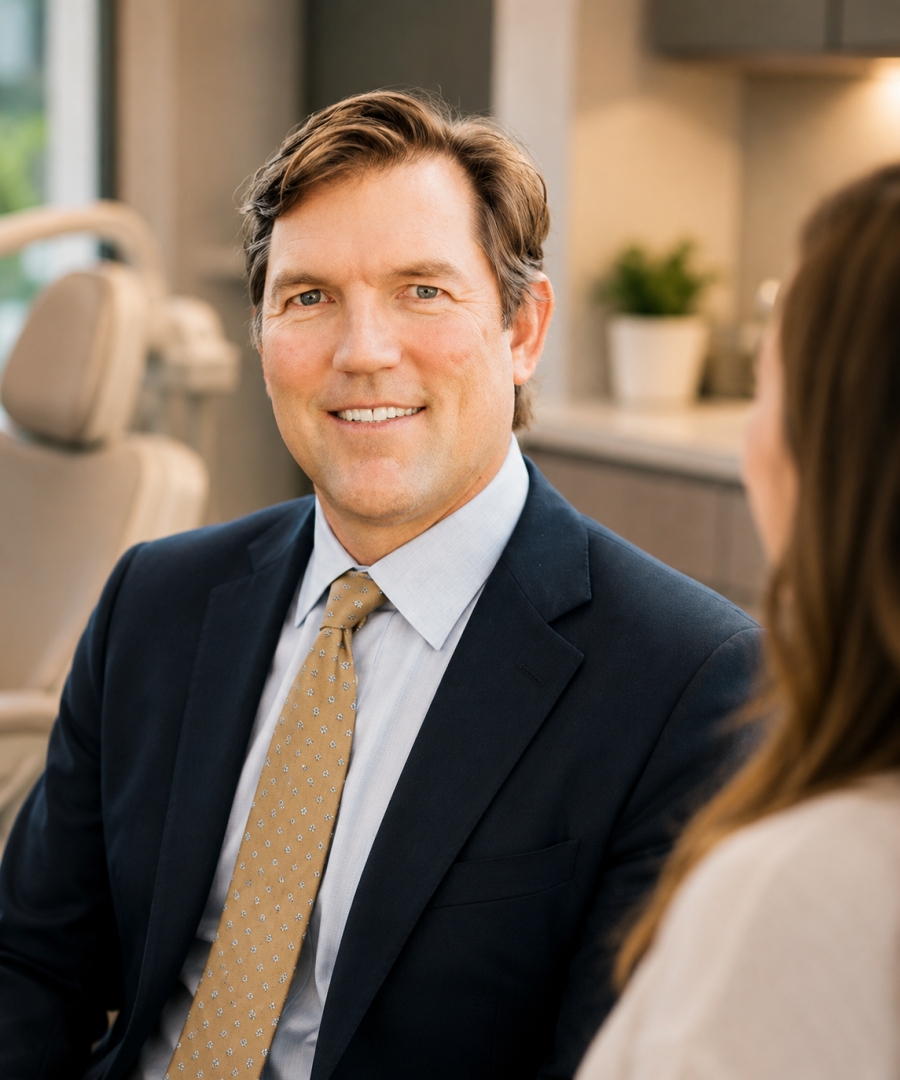
“A filling and a crown are designed to solve different clinical problems,” said Dr. Drew Randall, DDS of Evans and Randall Dentistry. “Our responsibility is to evaluate how much healthy tooth remains, how the tooth functions during chewing, and what gives that tooth the best long-term outlook. The recommendation should always fit the patient’s individual situation.”
Dr. Randall grew up in Irving, Texas and earned his Doctor of Dental Surgery degree from the Texas A&M University System Baylor College of Dentistry. He completed advanced education in general dentistry at the VCU School of Dentistry in Richmond, Virginia before returning to North Texas. Since opening Randall Dentistry in 2009, he has provided preventive, restorative, cosmetic, and implant dentistry for patients throughout University Park, Highland Park, and the surrounding Dallas communities. Dr. Randall’s Texas dental license number is 19682.
When determining whether a filling or crown may be appropriate, dentists commonly evaluate:
-
How much healthy tooth structure remains after decay or fracture
-
Whether the tooth has large existing fillings that may weaken its strength
-
Bite forces, grinding habits, and overall chewing function
-
The long-term prognosis of preserving the natural tooth
-
The patient’s oral health, goals, and overall treatment plan
Pain, swelling, or a fractured tooth may require prompt evaluation before a dentist can determine whether a filling or crown is appropriate. That same need for clear next steps is also discussed in Randall Dentistry’s guidance on urgent dental care.
When a tooth cannot be predictably restored, the conversation may shift from repair to replacement. Randall Dentistry has also explained how dental implant planning fits into longer-term decisions about missing teeth.
Treatment recommendations vary based on each patient’s examination, diagnostic findings, medical history, risk factors, and personal goals. No single restoration is appropriate for every situation, and patients benefit from a comprehensive evaluation before deciding on treatment.
Patients can learn more about dental crowns in University Park, TX from Evanas and Randall Dentistry.
About Evans and Randall Dentistry
Randall Dentistry serves patients throughout University Park, Highland Park, and the greater Dallas area from its office at 6031 Sherry Ln, Dallas, TX 75225. Led by Dr. Andrew Randall, DDS, Texas License #19682, the practice provides preventive, restorative, cosmetic, TMJ, emergency, and implant dentistry with an emphasis on conservative treatment planning, patient education, and long-term oral health.
Frequently Asked Questions
How do dentists decide between a filling and a crown?
Dentists evaluate how much healthy tooth structure remains, the location of the damage, bite forces, existing restorations, and the long-term strength needed before recommending treatment.
Is a crown always better than a filling?
No. A filling preserves more natural tooth structure when appropriate. A crown may be recommended when a tooth requires additional protection because of extensive damage or fracture risk.
Can a filling become a crown later?
Yes. A tooth restored with a filling may later require a crown if additional decay, fracture, or wear develops over time.
Does every cracked tooth need a crown?
Not necessarily. Small cracks may require monitoring or conservative treatment, while larger fractures may need more comprehensive restoration depending on the extent of the damage.
Why is saving a natural tooth usually preferred?
When possible, maintaining a healthy natural tooth helps preserve normal chewing function and surrounding oral structures. Treatment recommendations depend on each patient’s individual clinical findings.
Media Contact
Company Name: Wailea Direct
Contact Person: Michael Gleed
Email: Send Email
Country: United States
Website: https://localtopdentist.com/


