

New Guide Explains the Basics of Stainless Steel Metal Stamping for Modern Manufacturers
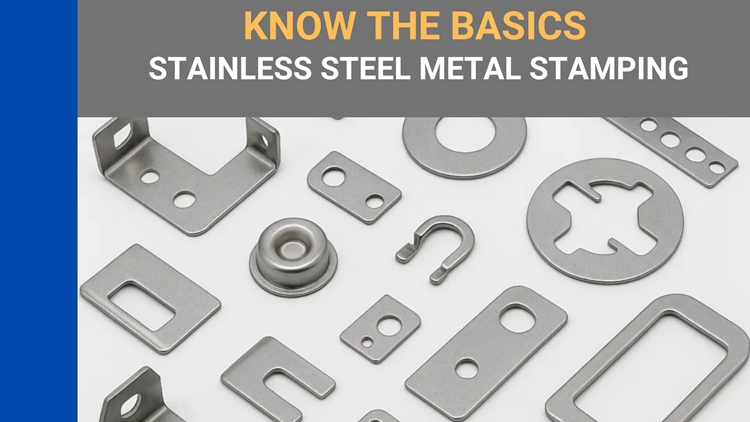
Stainless steel metal stamping
Metal stamps are available in different materials for various reasons. For stainless steel stamps, it is corrosion resistance, durability, and aesthetic appeal.
The stamping process entails a press and die applying force to cause plastic deformation to produce designed parts from a stainless steel sheet. Specific strategies are blanking, piercing, drawing, embossing, and other mechanical deformation methods.
If you require high-quality, corrosion-resistant, and durable metal-stamped parts for critical applications, stainless steel is worth considering. Read on for more details, including processing steps at ProleanMFG, benefits, and applications.
What is Stainless Steel Metal Stamping?
Stainless steel metal stamping is a mechanical deformation of stainless steel sheets into predesigned components and parts.
It is a fast, precise, and cost-effective cold-working method of producing various parts for industrial and other applications, usually done on a production line.
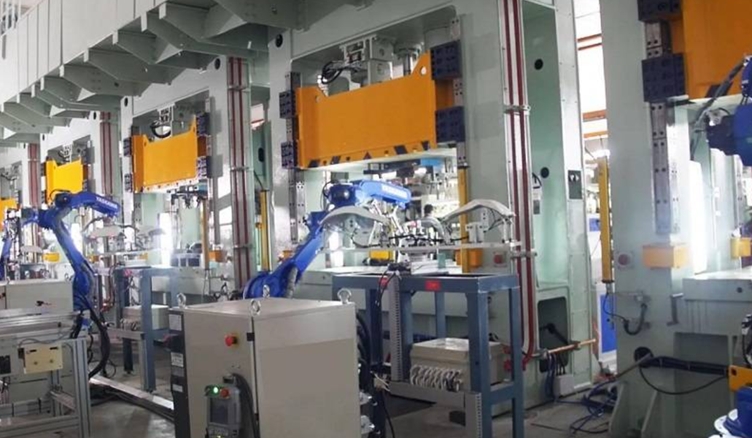
A metal stamping production line
Manufacturers apply measured mechanical force to produce simple and complex parts. Whether for small or large production volumes, metal stamping for stainless steel enables the manufacture of parts that meet requirements for dimensional stability, tolerances, and cost-efficiency.
Benefits of Stainless Steel for Stamping
Stainless steel stamping offers parts with superior corrosion resistance, strength-to-weight ratio, and heat resistance.
Specifically, this process makes sense this way;
Corrosion resistance: Stainless steel stamped parts contain at least 10.5% chromium content, which enhances corrosion resistance.
Strength-to-weight ratio: The material has a density of between 7.5 and 8.0 g/cm³, but it is highly impact and stress-resistant. It can make stamped parts that can bear relatively high mechanical loads.
Heat resistance: This property makes the material suitable for sharp-cutting tools and appliances.
Limitations of Steel Stamping Parts
Steel parts have the following limitations, which are worth considering.
Tool wear: The hardness of the material can cause stamping tools to wear relatively faster.
Springback: The high elastic recovery of stainless steel can cause springback issues after the metal stamping process.
High raw material cost: Stainless steel is more expensive than carbon steel and several other alternatives, so the cost-per-part can be inhibitive.
Different Stainless Steel Grades
The most common stainless steel grades for stamping are 304 stainless steel, 316 stainless steel, 430 stainless steel, 410 stainless steel, and 420 stainless steel. These and other grades can be categorized as austenitic stainless steel, ferritic stainless steel, martensitic stainless steel, and duplex options.
Austenitic Stainless Steel
304 and 316 stainless steel grades fall under this group. Their high corrosion resistance, formability, and non-magnetism suit parts for hygienic applications.
Ferritic Stainless Steel
The most popular alloy in this grade is 430 stainless steel. This grade also offers good corrosion resistance at an affordable cost. Stamped ferritic stainless steel parts are commonly used in decorative parts and appliances.
Martensitic Stainless Steel
The options for stainless steel stampings are 410 and 420 stainless steels. Manufacturers opt for this grade when they require strong and durable parts. Many blades and fasteners fall in this category.
Martensitic stainless steel industrial blade
Duplex Stainless Steel
Duplex stainless steel is your perfect material for stamped parts with a blend of corrosion resistance and strength. This grade mixes the structural properties of ferritic and austenitic steel.
Common Stainless Steel Stamping Operations
The stainless steel stamping process combines several techniques, the most fundamental ones being blanking, coining, embossing, piercing, punching, and bending. Each of these operations contributes to the form and size of the final part.
Manufacturers strategically use the operations to produce parts with precise geometries and reliable functional features. The operations are executed in consideration of factors such as type of material, thickness, and complexity.
Steps of stamping stainless steel
As mentioned, the above operations are performed systematically, and it all starts with a design concept through a series of steps that culminate in packaging the finished part and shipping it to the customer.
The stamping process usually follows the following specific steps.
Step 1: Material selection/preparation
Step 2: Die design and manufacturing
Step 3: Press and tool setup
Step 4: Stamping
Step 5: Quality inspection
Step 6: Packaging
Applications of Stainless Steel Stamped Parts
You will often find stainless steel metal stamping parts in applications where durability and hygiene are paramount. Common areas are automotive, aerospace, food processing, industrial machinery, and electronics.
Automotive Industry: Common stainless steel stamped parts for the industry are brackets, exhaust, and clips. The parts are corrosion- and heat-resistant.
A stainless steel P-clip for car cables
Aerospace Industry: The aerospace industry applies stainless steel parts in ventilation components, fasteners, and brackets, among other areas.
Food Processing: These parts are a perfect choice for this industry due to their hygienic properties and corrosion resistance. Examples of applications are
Industrial Machinery: The requirement for varying loads and harsh environments in industrial machinery demands strong, durable stamped parts. Clips, brackets, covers, and mounting plates are some parts made of stainless steel.
Electronics: Stainless steel stamps are commonly used for contact supports, frames, brackets, and RFI shielding.
A stamped stainless steel bracket for an electric motor
In Conclusion
The type of material, quality of tooling, and stamping procedure matter in the production of stainless steel stamped parts. The varying complexity and design of parts make the work interesting, yet challenging due to the factors mentioned.
But with an experienced sheet metal stamping services provider, this is not a problem. So, whether you are in the medical, automotive, electronics, household goods, or any other industry, expertly manufactured stainless steel stamped parts can work for you.
Media Contact
Company Name: Prolean MFG
Contact Person: Sam Hong
Email: Send Email
Country: China
Website: https://proleanmfg.com/


