

Zhejiang Haitong Plastic Industry Technology Co., Ltd. Presents Airless Pump Bottle Options for Cosmetic Packaging Buyers
Shaoxing, Zhejiang, China – August 19, 2026 – Zhejiang Haitong Plastic Industry Technology Co., Ltd. (“Haitong Plastic”) is a cosmetic packaging manufacturer specializing in airless pump bottles and complementary cosmetic packaging containers for skincare and beauty companies. The company is presenting a selection of airless packaging formats designed to help cosmetic packaging buyers evaluate dispensing performance, formula compatibility, visual differentiation, and product-line consistency.
The Haitong Plastic portfolio includes conventional airless bottles, water-droplet-shaped airless bottles, polygonal airless bottles, double-tube airless bottles, and vacuum cream jars. These formats are presented alongside acrylic bottles, PETG bottles, PP cream jars, lotion bottles, dropper bottles, and vibration massage bottle concepts.
By offering several related packaging formats, Haitong Plastic gives skincare and beauty companies a focused starting point for selecting packaging according to the formula, intended consumer experience, visual identity, filling process, and production requirements of each product.
The portfolio is particularly relevant to purchasers developing serums, emulsions, moisturizers, eye treatments, and other formula-led skincare products. Rather than treating packaging as a final decorative decision, buyers can evaluate the container, formula, dispensing method, filling process, decoration, and product application as one connected system.
Which Formulas May Be Suitable for Airless Packaging?
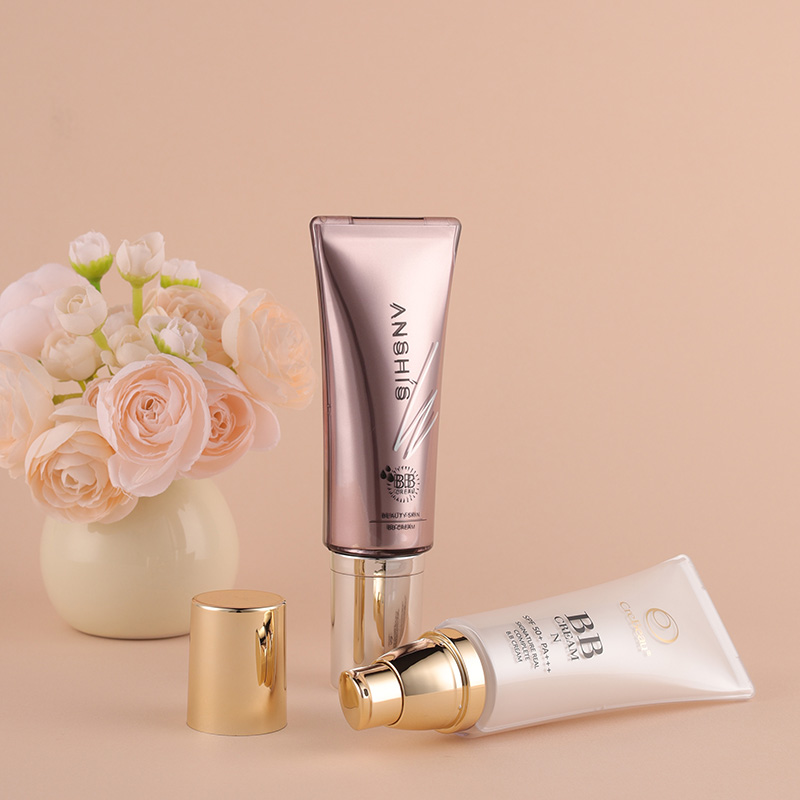
Airless packaging may be considered for serums, lotions, emulsions, and creams that require controlled dispensing. Final packaging selection should be confirmed through formula compatibility testing, dispensing assessment, and filling trials.
An airless pump bottle can be evaluated when a beauty company wants controlled dosage and reduced routine exposure of the remaining formula to the surrounding environment.
However, not every airless bottle produces the same dispensing experience. The correct format depends on several factors, including formula viscosity, expected dosage, filling volume, pump construction, intended application, and the way consumers are expected to handle the product.
Haitong Plastic presents several airless packaging directions:
-
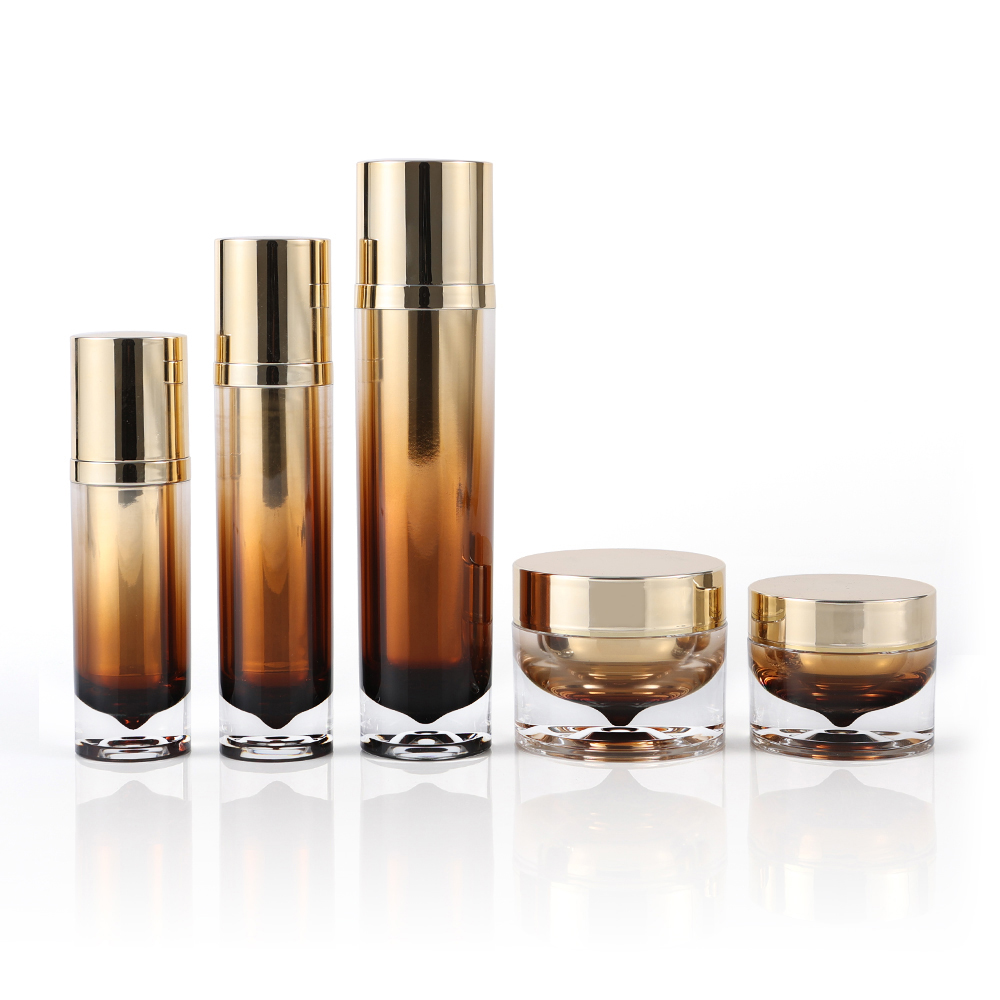
Conventional airless bottles for skincare emulsions, lotions, serums, and daily treatment products
-
Water-droplet-shaped airless bottles for companies seeking a softer and more recognizable package silhouette
-
Polygonal airless bottles for skincare collections requiring a more structured or geometric appearance
-
Double-tube airless bottles for paired-formula or differentiated dispensing concepts
-
Vacuum cream jars for products that require a compact, cream-oriented presentation
A lightweight daily moisturizer, a concentrated serum, and a richer night treatment may belong to the same skincare range, but they can require different dispensing systems. Evaluating the formula and intended application first gives the purchasing team a clearer basis for comparing available packages.
Airless packaging is not a substitute for formula stability testing, compatibility testing, filling trials, or regulatory review. It is a packaging route that should be evaluated as part of a structured product-development and validation process.
When May Buyers Consider a Double-Tube Airless Bottle?
Double-tube airless bottles may be evaluated when two formulas need to be stored, presented, or dispensed within a coordinated packaging system. The intended dispensing method, dosage relationship, formula compatibility, and filling process should be validated before production.
A double-tube format may be relevant to products designed around paired steps or visually differentiated formulas. However, buyers should not select this format based on appearance alone.
Before approving a double-tube airless bottle, purchasing and product-development teams should determine:
-
Whether the two formulas must remain physically separated
-
Whether they need to be dispensed simultaneously or independently
-
Whether a specific dispensing ratio is required
-
Whether the filling process can handle both formula chambers
-
Whether the package can be assembled and tested consistently
-
Whether the additional packaging complexity provides clear consumer value
These questions help buyers determine whether a double-tube system is appropriate for the product or whether a conventional airless bottle would provide a simpler solution.
What Buyers Should Evaluate Before Purchasing an Airless Pump Bottle
A reliable purchasing decision begins with a detailed packaging brief.
Before requesting a quotation, buyers should define the product category, target filling volume, formula characteristics, expected dispensing experience, preferred appearance, decoration requirements, estimated order quantity, and project schedule.
The packaging brief should distinguish between essential requirements and optional preferences. This prevents suppliers from quoting superficially similar cosmetic bottles that may not be technically or commercially comparable.
Important evaluation questions include:
-
What is the viscosity range of the formula?
-
What quantity should be dispensed with each actuation?
-
Does the consumer need to operate the package with one hand?
-
Is the formula transparent, opaque, fragranced, oil-based, or sensitive to light?
-
Does the formula contain particles or active ingredients that may affect dispensing?
-
What filling process will be used?
-
Which decoration methods are required?
-
What physical samples and tests must be approved before production?
An airless pump bottle should be assessed with the intended formula whenever possible. Catalogue images can help a buyer identify an initial design direction, but physical samples are needed to evaluate pump response, cap fit, weight, surface appearance, decoration areas, and the overall consumer experience.
A suitable airless pump bottle is one that meets the formula, dispensing, filling, decoration, and purchasing requirements of the specific project. No single airless format is appropriate for every skincare product.
How Do Buyers Select Materials Across a Coordinated Packaging Line?
A beauty collection often includes more than one type of container. The main product may use an airless pump bottle, while supporting products require a dropper, jar, lotion bottle, or another packaging format.
Haitong Plastic supplies related product categories that can be considered when developing a coordinated skincare or cosmetic packaging line.
An acrylic bottle may be considered when transparency, visual depth, and a substantial appearance are important to the product presentation. An acrylic container can also support different color effects, surface treatments, and decoration directions.
A PETG bottle may be evaluated when transparency, formability, or impact resistance is relevant to the packaging concept. Its suitability should still be reviewed according to the formula, decoration requirements, filling process, transportation conditions, and intended market.
A PP cream jar may be suitable for masks, balms, and richer cream formulas designed for direct application. An airless pump bottle may be more appropriate when controlled dispensing and reduced routine exposure of the remaining formula are priorities.
An empty plastic jar can provide a practical starting point for products intended for scoop or direct application, but buyers should confirm material compatibility, closure performance, decoration options, and filling requirements before purchasing.
The wider Haitong Plastic portfolio also includes plastic bottles and other cosmetic bottles for lotions, emulsions, serums, and related beauty applications.
The objective is not to place every formula in the same type of packaging. It is to select an appropriate format for each SKU while maintaining a consistent visual language across the complete product range.
A coordinated line may use:
-
An airless pump bottle for a daily facial emulsion
-
A dropper bottle for a concentrated serum
-
A PP cream jar or vacuum cream jar for a richer night treatment
-
A PETG bottle or acrylic bottle for a visually transparent product
-
A vibration massage bottle for an eye-care or targeted application concept
Shared colors, finishes, proportions, logos, and decoration methods can help these different packaging formats appear as one recognizable collection.
From Product Concept to Physical Sample
Physical sample review is one of the most important stages of cosmetic packaging selection.
A digital rendering can show the intended shape and artwork, but it cannot fully communicate cap feel, pump resistance, package weight, coating texture, printing alignment, or the relationship between the inner and outer components.
For this reason, buyers should allow sufficient time for sample assessment before confirming an airless pump bottle or related cosmetic packaging container.
A practical review process may include:
-
Initial product and shape selection
-
Component drawing review
-
Material and decoration confirmation
-
Formula compatibility screening
-
Dispensing and actuation assessment
-
Pilot filling evaluation
-
Packaging and transportation-oriented checks
-
Final production sample approval
The exact process will depend on the formula, project scale, target market, and internal quality requirements.
What matters is that responsibilities and approval criteria are defined early. This helps prevent an attractive design from becoming a late-stage filling, decoration, or production problem.
A Practical Skincare Purchasing Scenario
Consider a skincare company developing a three-product treatment routine consisting of a serum, daily emulsion, and night cream.
Instead of selecting one packaging format for the entire range, the purchasing team can evaluate a dropper bottle for the serum, an airless pump bottle for the daily emulsion, and a PP cream jar or vacuum cream jar for the night cream.
Each product can then be assessed according to its individual formula and consumer application.
The serum review may focus on dropper control and formula compatibility. The emulsion review may focus on airless dispensing, actuation consistency, and dosage. The night cream review may focus on jar access, closure performance, surface decoration, and the desired appearance.
Although the packaging formats are different, the product family can remain visually coordinated through matching colors, proportional elements, finishes, logo placement, and decoration techniques.
This type of format-by-format evaluation gives purchasing teams more useful information than selecting containers according to appearance alone.
Another possible application involves an eye-care product designed around a massage ritual.
A vibration massage bottle may be considered when the intended eye-care experience includes a functional massage or targeted application element. The applicator function, formula compatibility, dispensing method, and consumer value should all be assessed before the package is approved.
Haitong Plastic’s airless and vibration massage bottle concepts give buyers specific formats to review during the early product-development stage.
What Should Buyers Consider for an E-Commerce Skincare Launch?
For an e-commerce skincare launch, buyers may need to evaluate cap security, leakage risk, surface durability, packing configuration, and transportation testing in addition to appearance and dispensing performance.
Packaging selected for online sales may pass through several handling and transportation stages before reaching the consumer. A bottle that appears suitable in a showroom should therefore be reviewed under realistic packing and delivery conditions.
An e-commerce packaging review may include:
-
Cap and closure security
-
Leakage assessment
-
Pump protection during transportation
-
Resistance to scratching or surface damage
-
Compatibility with inserts, cartons, and protective materials
-
Package weight and shipping efficiency
-
Performance after vibration or impact-oriented testing
-
Consumer usability after delivery
These requirements should be reviewed together with formula compatibility and dispensing performance before the final package is approved.
For companies developing several e-commerce SKUs at the same time, using related packaging shapes or decoration processes may also simplify product photography, online presentation, artwork management, and inventory planning.
Decoration and Commercial Considerations
Packaging buyers are responsible for more than the initial unit price.
A complete purchasing decision may also involve minimum order quantity, development schedule, tooling requirements, component availability, decoration complexity, defect risk, packing configuration, transportation, and the cost of making changes after approval.
A low initial quotation may become less economical if the selected package creates a longer approval process or does not communicate the intended product positioning.
At the same time, a distinctive acrylic container or airless bottle should be reviewed for manufacturing feasibility before artwork and launch plans are finalized.
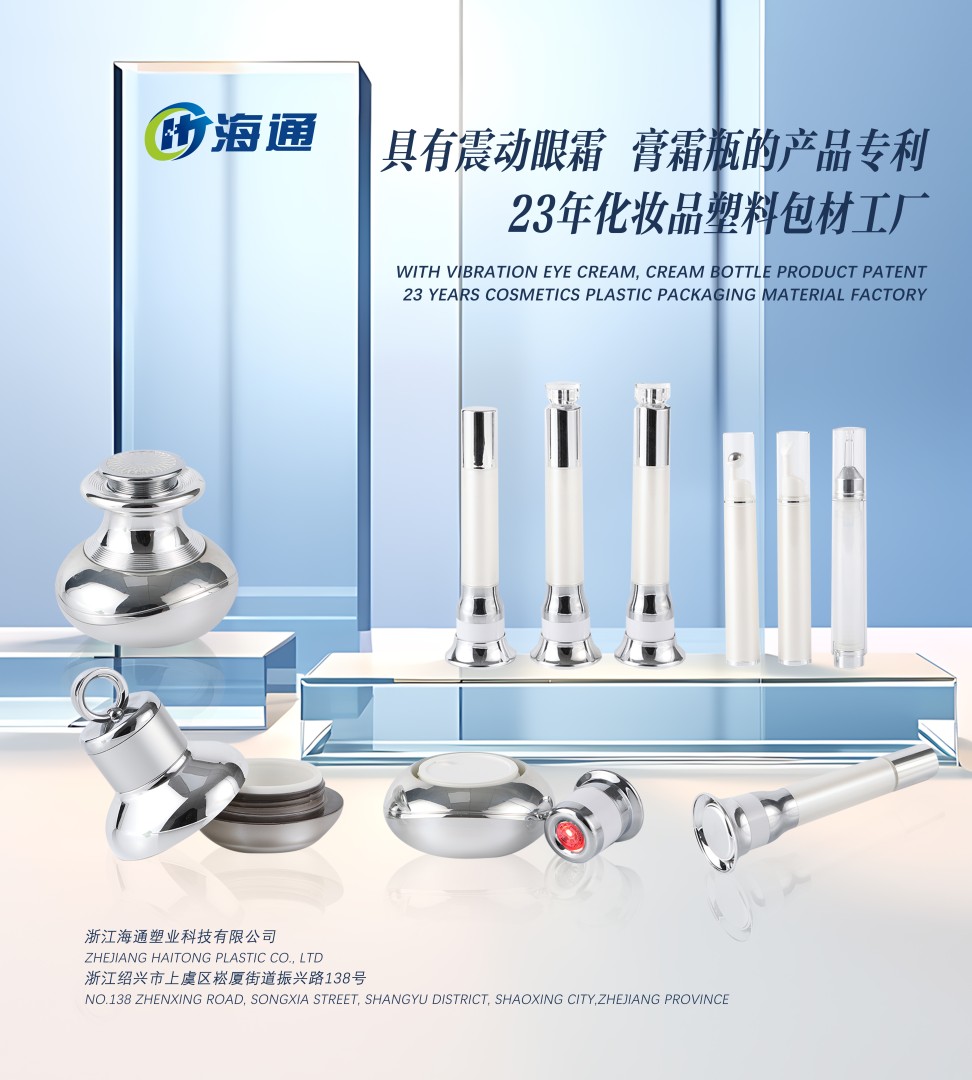
Haitong Plastic describes coating, hot stamping, printing, and 3D printing among its available processing capabilities. These decoration methods can help buyers develop different visual effects, but the decoration must be evaluated together with the package material and geometry.
Purchasers should provide reference images, color expectations, finish priorities, artwork requirements, and any restricted decoration areas during the initial review.
They should also ask which parts of the selected cosmetic bottle are most suitable for printing, hot stamping, coating, or other surface treatments.
Early clarification can prevent a common sourcing problem: approving an attractive digital design before confirming how it will perform on the physical packaging.
Product Portfolio Highlights
The public Haitong Plastic product portfolio covers several packaging categories for skincare, beauty, and personal-care applications.
In addition to airless packaging, the product range includes:
-
Dropper bottles in different capacities and shapes
-
Acrylic and PETG cream jars
-
Lotion and emulsion bottles
-
Polygonal cream jars and bottle combinations
-
Vacuum cream jars
-
Eye cream jars
-
Vibration massage packaging
-
Makeup-related packaging
The public product catalog also presents 30 mL dropper bottle options, vibrating bottles for induction, and an engraving crystal series covering cream bottles, lotion bottles, and airless bottles.
These product categories allow buyers to review several packaging directions within one product portfolio. Specifications, materials, available capacities, decoration options, and production conditions should be confirmed for each individual purchasing project.
A Purchasing Checklist for Cosmetic Packaging Buyers
Before selecting an airless pump bottle or related cosmetic packaging container, purchasing teams should prepare the following information:
-
Product and formula category
-
Formula development stage
-
Target filling volume
-
Formula viscosity and relevant ingredients
-
Preferred packaging format
-
Required material
-
Expected dispensing experience
-
Decoration and artwork direction
-
Estimated purchasing quantity
-
Required sample date
-
Planned production schedule
-
Intended market
-
Filling and assembly method
-
Testing and approval requirements
Where several cosmetic bottles are being developed as one collection, buyers should also identify which visual elements must remain consistent and which elements may vary according to the formula or product application.
A written brief helps product development, quality, operations, and purchasing teams work from the same requirements.
A Focused Option for Airless and Complementary Cosmetic Packaging
Airless pump bottles remain an important packaging format for skincare companies evaluating controlled dispensing, formula protection, product presentation, and a convenient consumer experience.
Haitong Plastic offers several airless packaging directions together with acrylic bottles, PETG bottles, PP cream jars, dropper bottles, lotion bottles, vacuum cream jars, and vibration massage bottle concepts.
This portfolio allows buyers to explore an airless pump bottle as part of a wider cosmetic packaging system rather than as an isolated component.
The correct choice will depend on the formula, filling process, consumer ritual, visual positioning, testing requirements, purchasing volume, and production schedule. No single packaging format is suitable for every skincare or beauty product.
For a new project, buyers can begin by preparing a detailed packaging brief, reviewing the relevant product formats, requesting component drawings and physical samples, and defining the validation steps required before production.
This structured process gives purchasing teams a stronger basis for selecting packaging that supports both the formula inside and the product experience presented to consumers.
About Zhejiang Haitong Plastic Industry Technology Co., Ltd.
Established in 2001 and located in Shangyu District, Shaoxing, Zhejiang, Zhejiang Haitong Plastic Industry Technology Co., Ltd. is a cosmetic packaging manufacturer integrating product development, mold manufacturing, production, and sales.
The company’s product portfolio includes airless bottles, acrylic cream bottles, lotion and emulsion bottles, vacuum cream jars, dropper bottles, vibration massage packaging, and other cosmetic packaging containers.
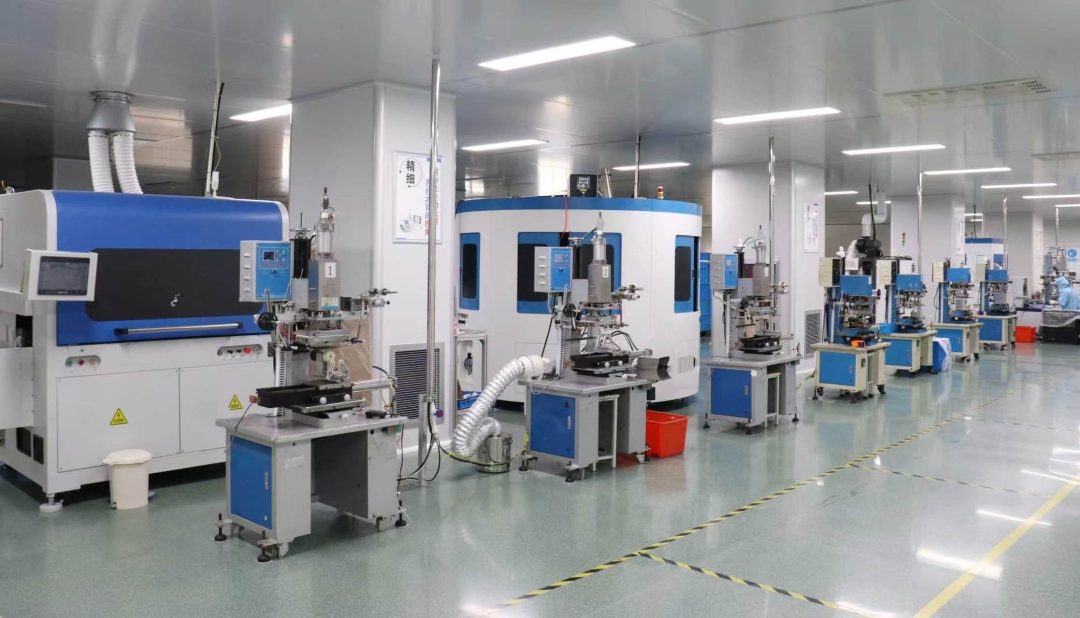
The company reports automated injection molding equipment, double-layer and three-layer blow-molding equipment, a 100,000-level dust-free workshop, an independent research and development team, and several domestic and international patents.
Its available processing capabilities include coating, hot stamping, printing, and 3D printing. Zhejiang Haitong Plastic Industry Technology Co., Ltd. supports skincare, beauty, and personal-care packaging projects with product development, manufacturing, decoration, and sample-evaluation capabilities.
Media Contact
Company Name: Zhejiang Haitong Plastic Industry Technology Co., Ltd.
Contact Person: Kara Yang
Email: Send Email
Phone: 8618857568397
Address:No. 138, Xingzheng Road, Songxiashi Street, Shangyu District
City: Shaoxing
State: Zhejiang
Country: China
Website: https://www.haitongplastic.com/


