

Rigo Lampo Clarinet: Conservatory-Level Performance with Lightning-Fast Response
Milano, Italy – September 08, 2026 – Every advancing clarinetist reaches the same crossroads. The student instrument that once felt friendly now feels like a ceiling: technique has outgrown the horn, and the next purchase matters more than any before it. Choose well, and the new instrument unlocks years of growth. Choose poorly, and an expensive step becomes an expensive frustration. It is the one purchase in a clarinetist’s development that teachers, parents, and players all agree deserves real homework.

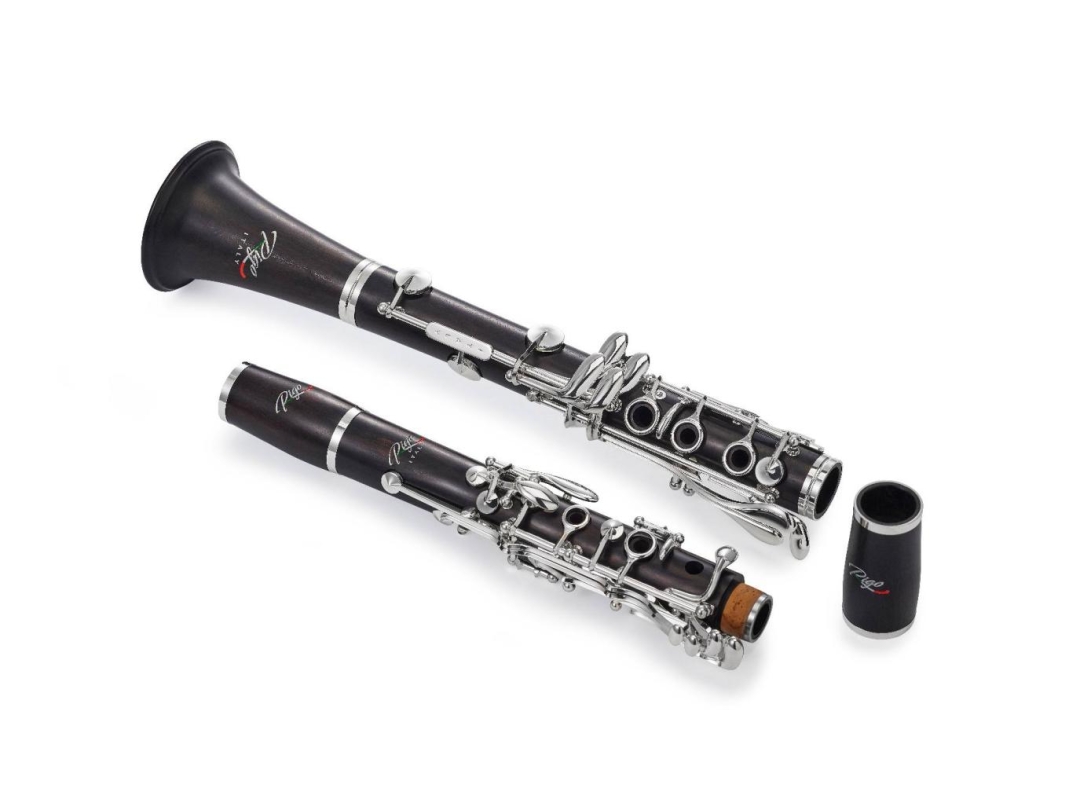
The Rigo Lampo exists for exactly this moment. A conservatory-level wooden clarinet positioned as the most value-driven member of the Rigo woodwind family, it offers something rare in its class: genuinely professional playing characteristics at a price that serious students, conservatory candidates, and dedicated amateurs can realistically reach.
Lightning by Name, Lightning by Nature
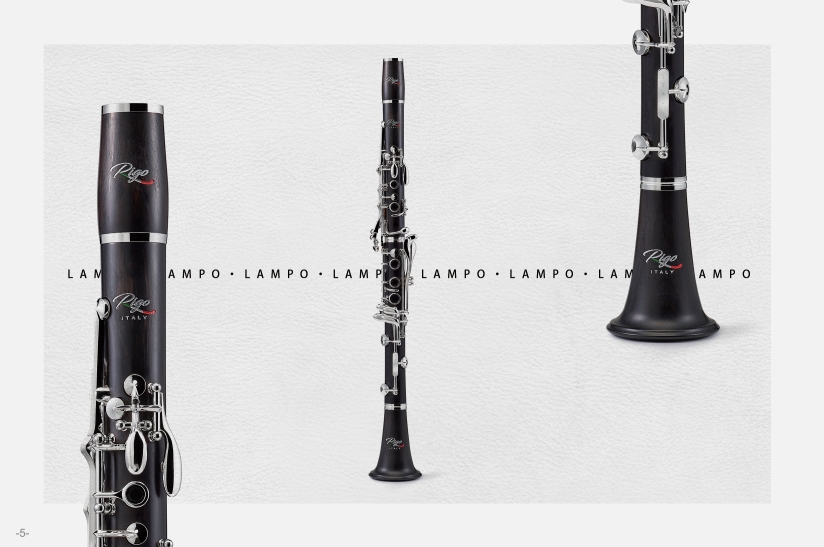
“Lampo” means lightning in Italian, and the name is a statement of intent. From the first note, the instrument’s defining quality announces itself: response. The clarinet speaks the instant air moves through it, with an open, unblocked blowing feel that carries evenly from the chalumeau depths to the top of the altissimo.
Fast passages that demand real effort on lesser instruments feel almost automatic here. Articulation arrives crisp, immediate, and even; slurred intervals connect without sag or hesitation. It is not difficult to understand why players describe the sensation in electrical terms—the instrument seems to conduct musical intention directly into sound, as though anticipating the next note before the fingers complete it. For players arriving from a student synthetic horn, that immediacy is often the first genuine shock of the upgrade.
Ten Months of Acoustic Refinement
In 2019, Rigo’s development team committed ten months to a comprehensive reworking of the Lampo line. The brief was precise: preserve the model’s celebrated agility while answering contemporary musicians’ rising expectations for tonal warmth and depth.
The team optimized the acoustic structure from the model’s established foundation, refining the relationships among bore, tone holes, and venting, while simultaneously raising the selection standard for the body wood itself. Stricter material grading meant fewer candidate billets made the cut—but those that did delivered measurably more consistent resonance.
The result is a current-generation Lampo with a noticeably warmer, more concentrated tone than its predecessor, achieved without surrendering the free-blowing character that built the model’s reputation. That balance is harder to engineer than it sounds: warmth usually costs focus, and focus usually costs flexibility. The Lampo redesign is notable precisely because it declines that trade.
Receptio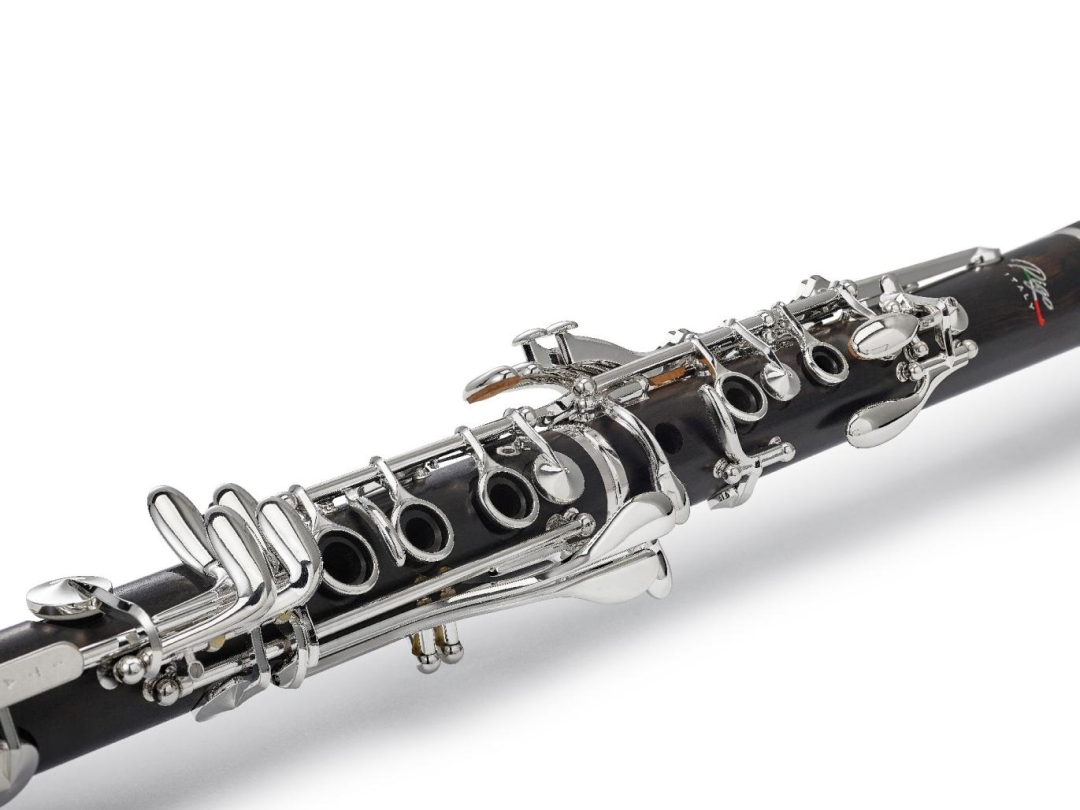 n from the two audiences the Lampo was built for has been telling. Serious amateurs praise how little effort the instrument asks in return for a full, warm sound, while professional-track students value how honestly it responds to refined technique—the better the input, the better the output, with no ceiling imposed by the equipment. Serving both groups equally well is precisely what a conservatory-level instrument is supposed to do, and it is the standard the Lampo is judged against every time it is picked up.
How It Plays
In the hands, the Lampo feels alive without feeling nervous. Resistance sits in a well-judged middle zone—enough to shape against, never enough to fight. The chalumeau register is rich and projecting; the clarion sings with a warm, vocal core; and the upper register stays centered and in tune at dynamics where many step-up instruments begin to spread.
Intonation is a particular strength. The even scale lets players spend rehearsal time on music rather than on embouchure compensation, and the focused core helps the sound carry in ensemble textures without forcing. Whether the assignment is an orchestral excerpt, a chamber part, a wind band feature, or a solo recital piece, the Lampo behaves like an instrument a class above its price.
Just as important for an advancing player is what the Lampo does not do: it does not punish developing technique. Wide intervals speak without a fight, soft entries in the upper register respond without excessive embouchure pressure, and long phrases can be paced on a single breath because the instrument is not wasting air. These are the qualities that let a student practice longer, progress faster, and sound more mature in the process.
The Step-Up, Made Simple
Moving from a synthetic instrument to a first wooden clarinet involves more than a purchase; it involves a small change of routine. Wooden bodies reward a little care—regular swabbing, sensible warm-up in cold rooms, gradual playing-in during the first weeks—and the Lampo is a forgiving partner in that transition. Its stable intonation and predictable response give new owners clear feedback as they adapt, rather than a fresh set of mysteries to solve.
Players coming from the Rigo Vita will find the move particularly natural, since the two models share a common design philosophy and tonal direction. The sound concept stays the same; what changes is the depth, color, and carrying power that only well-selected wood provides.
The Value Equation
Conservatory-level clarinets occupy an awkward market zone: genuinely professional models often carry genuinely professional prices, while affordable step-ups frequently ask players to accept real compromises in tone, response, or build. The Lampo’s position as the value leader of the Rigo wood family is not about cutting corners—it is about concentrating every dollar on the elements that matter most to how the instrument plays. For students funding their own upgrade, or parents investing in a serious young musician, that concentration makes the Lampo one of the most rational purchases in its category—and one that can serve comfortably for years before another upgrade is even a question.
Who the Lampo Is For
• Advancing students making the move to a first wooden clarinet
• Conservatory students who need a reliable main instrument
• Serious amateurs and community orchestra players
• Semi-professionals seeking a capable, responsive second instrument
The Bottom Line
The step-up purchase is where promising players are most often lost to bad equipment. The Lampo answers that problem directly: lightning response, a warm and concentrated modern tone, and conservatory-grade build at a price that respects real budgets. For any clarinetist standing at the crossroads, it deserves to be on the shortlist.
About Rigo
Rigo is an Italian clarinet brand dedicated to crafting high-quality instruments, accessories, and woodwind care products for clarinet players worldwide. Rooted in woodwind craftsmanship tradition, the brand blends time-honored techniques with contemporary innovation to deliver exceptional performance tools. Rigo’s mission is to empower clarinetists of all levels to achieve their best sound through thoughtfully designed, reliable products that elevate every playing experience.
Media Contact
Company Name: RIGO GLOBAL INSTRUMENTS S.R.L.
Contact Person: Giuseppe Rigo
Email: Send Email
State: Milano
Country: Italy
Website: www.rigoclarinets.com


