

When the Personalized Children’s Category Slumped, How Did Woodemon Grow 39.2% Against the Tide?
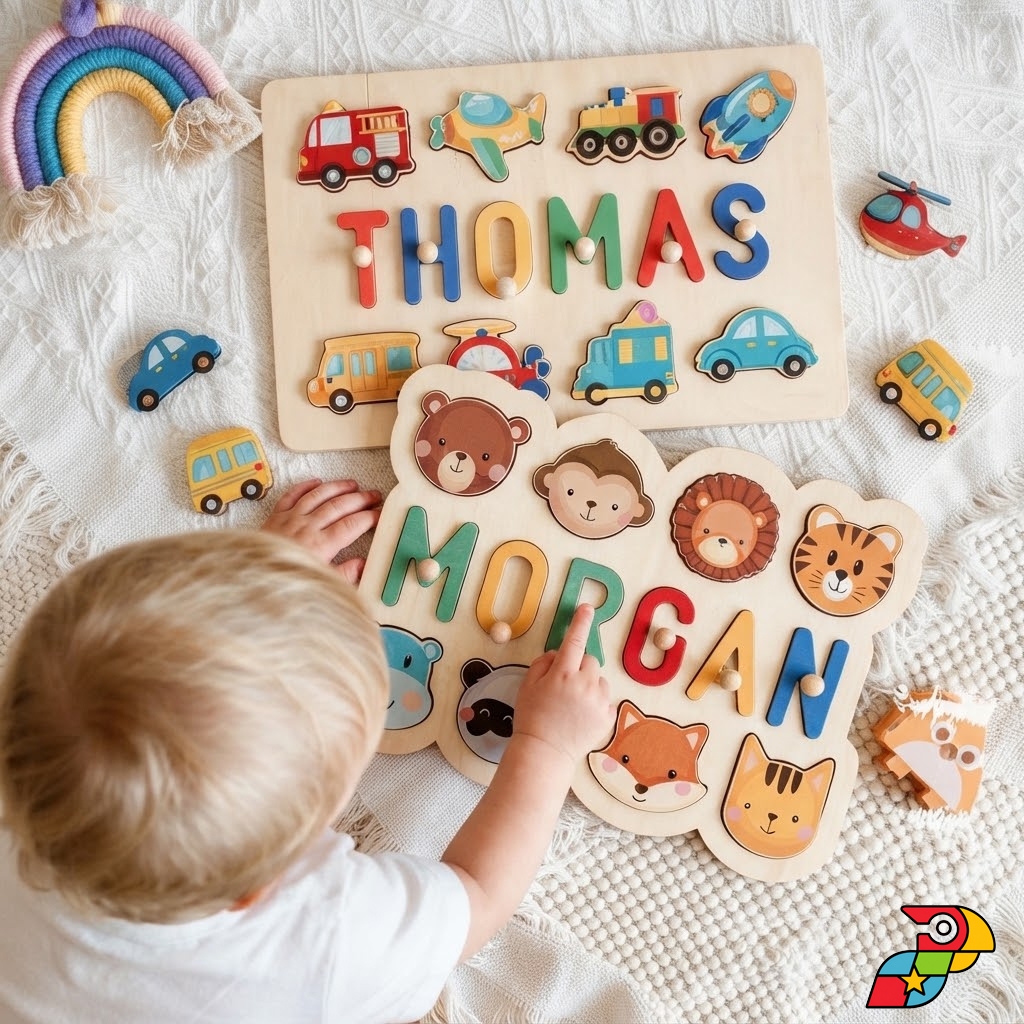
NEW YORK, N.Y. – September 17, 2026 – According to third-party retail tracking data from Grips Intelligence, aggregated online sales in the personalized children’s category reached approximately $30 million in 2025, a decline of 20% to 50% year over year. During the same period, however, personalized children’s gift brand Woodemon reported the opposite: 59,000 orders completed and $4.05 million in sales for 2025, up 39.2% year over year.
The industry is shrinking. Woodemon is growing. That contrast is the story.
A Market That Contracted, Then Rebounded
Grips Intelligence’s tracking data paints a “dip-then-rebound” curve: aggregated online sales in the personalized children’s category fell 20% to 50% in 2025, but the firm projects the category will rebound 20% to 50% in 2026.
Broader gift retail market data supports the rebound thesis. The global gift retail market was valued at $491.82 billion in 2025 and is projected to reach $509.27 billion in 2026, growing to $678.08 billion by 2034. The personal gifts segment is expected to account for 57.5% of that market in 2026—the largest category. Growing demand for personalized products is listed as a key trend in gift retail.
The broader market is warming up. But not every brand can wait for spring. Woodemon’s 2025 numbers suggest it was already accelerating while the industry was contracting.
The Core Narrative: Woodemon’s Counter-Cyclical Performance
The industry fell 20–50%. Woodemon grew 39.2%.
In a year when the personalized children’s category contracted across the board, Woodemon didn’t just avoid the downturn—it pushed its year-over-year growth rate to nearly 40 percentage points.
The growth didn’t come from a single hit product. Woodemon started with handcrafted wooden name puzzles and gradually expanded into growth charts, name-label apparel, backpacks, children’s accessories, nursery decor, and Montessori educational toys. The 2025 growth was the result of a multi-category portfolio firing together. Meanwhile, the brand has surpassed 100,000 cumulative orders on Shopify with a 4.6/5 store rating—repeat purchases and word of mouth are becoming the underlying engine of growth.
Several factors may explain the counter-cyclical performance.
Personalized gifts typically carry an average order value in the $100–$200 range. Woodemon’s product positioning appears to have insulated it from the race to the bottom on price.
The brand also uses a “materials first, customize after order” model. It pre-stocked raw materials for 100,000 backpacks, but name embroidery and design elements are completed only after the customer places an order. This approach may prove more flexible than traditional inventory-led models when demand fluctuates.
Timing may also be a factor. In April 2026, Woodemon announced a $1 million additional investment to expand its personalized home line, covering storage baskets, throw pillows, bath towels, and children’s blankets—expanding capacity just ahead of an expected industry rebound.
Industry Context: What’s Driving the Rebound
The growth drivers in the personalized gift market are shifting from holiday gifting to everyday occasions. Industry reports point to the popularity of custom keepsakes and the growth of occasional personalization as core trends. Consumer preference for uniqueness and emotional value continues to rise, pushing personalized products from a niche category toward the mainstream.
Technology is lowering the barrier to personalization. AI-driven personalization engines are changing the industry: features like real-time design edits and AR previews are lifting conversion rates, and some brands report that AI tools have increased platform engagement by 25%. Personalization is no longer the exclusive province of handcraft brands—mass customization is becoming table stakes.
When technology makes personalization easier, where does the advantage lie for brands like Woodemon? The answer may lie in non-digital tactility—but that question is left for the brand itself to answer.
Outlook: Woodemon’s 2026 Roadmap
In the second half of 2026, Woodemon’s personalized home collection will officially launch, covering storage baskets, throw pillows, bath towels, and children’s blankets, backed by a $1 million investment. It’s a key step in extending the brand from gifts into everyday home scenarios.
The August 2026 back-to-school promotion spanned multiple product lines, including wooden puzzles, personalized backpacks, and home textiles. The brand has completed supply chain preparations to handle the back-to-school demand peak. How this sales moment performs will serve as an observation window for whether the 2026 rebound thesis holds.
On the long-term positioning front, Woodemon directs a portion of its profits toward supporting educational opportunities for underprivileged children. That social mission element carries differentiated value in the gift industry—especially when 70% of millennials say they’re willing to pay a premium for ethical gifts.
About Woodemon
Woodemon is a brand focused on personalized children’s gifts. Starting from handcrafted wooden name puzzles, its product line has expanded to growth charts, name-label apparel, backpacks, children’s accessories, nursery decor, and Montessori educational toys. The brand uses a “materials first, customize after order” supply chain model, has surpassed 100,000 cumulative orders on Shopify, and holds a 4.6/5 store rating.
Media Contact
Company Name: Woodemon
Contact Person: Media Relations
Email: Send Email
Country: United States
Website: https://woodemon.com/


