

Border Leicester Sheep Genetics Matter More in 2026 as Flock Hits Record Low
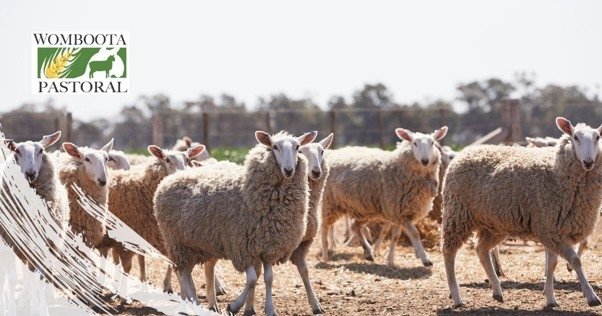
WOMBOOTA, Australia – September 29, 2026 – Australia’s national sheep flock is forecast to decline 2.7% to 67.1 million head by 30 June 2026, yet lamb production remains resilient due to rising carcase weights and genetic improvement, according to Meat & Livestock Australia’s 2026 Sheep Industry Projections. The paradox of fewer sheep but heavier carcases is reshaping how producers evaluate breeding decisions, with performance-measured genetics emerging as a critical productivity lever.
First Expert Quote
“While lamb turnoff is forecast to be lower in 2026, improvements in genetics, feeding systems and carcase weights mean production remains relatively resilient by historical standards,” said Emiliano Diaz, MLA Senior Market Information Analyst.
Why Border Leicester Genetics Lead in 2026
-
Supply scarcity is driving premium pricing. The Restocker Lamb Indicator surged 132¢ to 1178¢/kg cwt week-on-week, with young lamb supply rising 62% as new-season lambs arrived.
-
Trade lamb prices remain historically elevated. The Eastern States Trade Lamb Indicator averaged 1173¢/kg year-to-date, up 24% from 946¢/kg in the same 2025 period.
-
Productivity gains offset declining flock numbers. Average lamb carcase weights are forecast to reach 24.6kg in 2026, explicitly supported by ongoing genetic improvement and processor demand for heavier stock.
Key Statistics
-
National sheep flock: 67.1 million head by 30 June 2026, down 2.7% year-on-year (MLA Sheep Industry Projections, March 2026)
-
Lamb slaughter forecast: 21.86 million head in 2026, down 11% (MLA)
-
Mutton slaughter forecast: 7.13 million head in 2026, down 30% (MLA)
-
Average lamb carcase weight: 24.6kg in 2026, supported by genetic improvement (MLA)
-
Restocker Lamb Indicator: +132¢ to 1178¢/kg cwt week-on-week (Tridge Insights, 3 September 2026)
-
Eastern States Trade Lamb Indicator: 1173¢/kg year-to-date, up 24% from 946¢/kg in 2025 (Mecardo, 14 September 2026)
-
Trade lamb throughput: down 8.5% year-on-year (Mecardo / National Livestock Reporting Service, September 2026)
What This Means
The Australian sheep industry is entering a lower supply phase not seen in decades. MLA forecasts the flock will continue declining to 66.4 million head in 2027 and 64.6 million by 2028, the lowest level on record.
For commercial lamb producers and stud breeders, this contraction means genetic performance differences translate directly into financial returns. Producers retaining breeding stock need animals that deliver measurable carcase weight and maternal efficiency.
The market signal is clear: when supply is constrained, productivity per animal becomes the primary driver of profitability. Genetics selected for growth, carcase weight, and maternal performance are positioning producers to capture available premiums.
Second Expert Quote
“When supply is this tight, every kilogram of carcase weight counts,” said Malcolm Starritt, fourth-generation breeder at Womboota Border Leicester. “Producers who invest in performance-measured genetics are capturing the premium because their lambs hit the weights processors want, and their ewes deliver more consistent results season after season.”
Starritt added: “We’ve spent over a century refining these genetics. When producers are rebuilding flocks, they can’t afford guesswork.”
Q&A
Q: Why is Australia’s sheep flock declining in 2026?
A: The national flock is forecast to fall 2.7% to 67.1 million head due to three consecutive years of below-average rainfall across southern production regions and sustained high turnoff of breeding stock.
Q: What is the Restocker Lamb Indicator and why does it matter?
A: The Restocker Lamb Indicator measures the seven-day rolling average price paid for lambs purchased by restockers or feeders. It surged 132¢ to 1178¢/kg cwt in early September 2026.
Q: How are genetics improving lamb carcase weights?
A: MLA attributes rising carcase weights to ongoing genetic improvement, grain feeding, and processor demand for heavier stock. Average lamb carcase weights are forecast to reach 24.6kg in 2026.
Q: What should producers consider when rebuilding flocks?
A: Producers should evaluate genetics with performance data such as LAMBPLAN, which provides measurable breeding values for growth rates, carcase performance, and maternal efficiency.
Q: Where can producers access performance-measured Border Leicester genetics?
A: Womboota Border Leicester offers 70 premium rams with full LAMBPLAN performance data and 15 select ewes at its 2026 sale, held on-property at “Suncroft,” 544 Edgar Rd, Womboota, NSW, with online bidding via AuctionsPlus.
Methodology Note
This analysis is based on Meat & Livestock Australia’s 2026 Sheep Industry Projections (published March 2026), Mecardo and Tridge Insights September 2026 market reports, and National Livestock Reporting Service throughput data.
About Womboota Border Leicesters
Womboota Border Leicesters is a century-plus family sheep stud run by the Starritt family since 1914, combining traditional breeding excellence with modern genetic science and LAMBPLAN performance measurement. The stud’s 2026 sale offers 70 premium Border Leicester rams and 15 select ewes, held on-property at “Suncroft,” 544 Edgar Rd, Womboota, NSW, with online bidding also available via AuctionsPlus.
Full study available at: Border Leicester Sheep Genetics Quietly Rewrite Australia’s 2026 Flock Story
Media Contact
Company Name: Womboota Border Leicesters
Contact Person: The Starritt family
Email: Send Email
Phone: 0429 893 200
State: New South Wales
Country: Australia
Website: https://wombootaborderleicesters.com/


