

PrimeHome Examines How Prefabricated Container Houses Are Transforming Modular Construction Worldwide
Suzhou City, Jiangsu Province, China – October 10, 2026 – Modular Construction Gains Attention as Project Requirements Evolve
The construction industry is increasingly exploring building methods that can improve project efficiency, simplify logistics, and adapt to changing accommodation needs. Prefabricated Container Houses have become an important option in this context, offering an alternative to conventional construction for temporary accommodation, commercial facilities, workforce housing, and selected residential applications. PrimeHome examines how these structures are influencing modular construction and why manufacturing capabilities, customization, and project coordination are becoming increasingly important to international buyers.
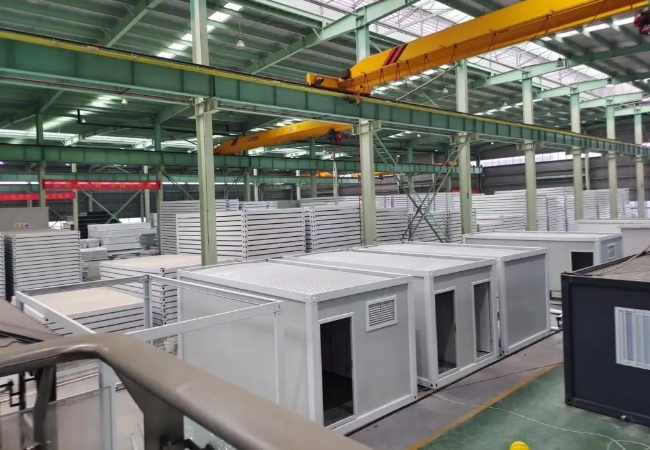
Unlike traditional buildings that are constructed almost entirely on-site, prefabricated container houses are manufactured using standardized structural components and prepared for transportation and installation. Depending on the design, essential structural elements and selected interior features can be completed before delivery. This approach can reduce the amount of work required at the installation site and help project teams coordinate construction activities more efficiently.
The growing interest in modular construction also reflects the need for adaptable building solutions. Infrastructure projects, tourism developments, remote work locations, and emergency accommodation programs may require usable spaces within specific timeframes. Prefabricated container houses provide a flexible option for these applications, although actual project schedules depend on site preparation, transportation, local approvals, utilities, and installation conditions.
Prefabricated Container Houses Offer Flexible Applications
One of the defining characteristics of prefabricated container houses is their ability to accommodate different layouts and functional requirements. Depending on the configuration, individual units can serve as bedrooms, offices, staff accommodation, temporary facilities, or components of larger modular developments.
For residential and hospitality projects, interior planning is an important consideration. Buyers may need private sleeping areas, bathrooms, storage, ventilation, insulation, and electrical systems that suit the intended environment. Commercial applications can require open layouts, reception areas, meeting rooms, or workspaces. Modular designs allow these requirements to be considered during the planning and manufacturing stages.
PrimeHome’s product portfolio includes Prefabricated Container Houses, Modular Container Houses, Flat Pack Container Houses, Detachable Container Houses, Expandable Container Houses, and Foldable Container Houses. The company also offers Apple Cabins, Space Capsule Houses, Container Toilets, Customized Containers, and auxiliary materials. This range reflects different approaches to space utilization, transportation, assembly, and project configuration.
For international buyers, selecting an appropriate structure requires more than comparing external dimensions or purchase prices. Intended occupancy, local weather conditions, transportation limitations, expected service life, maintenance requirements, and applicable building regulations all influence the suitability of a particular design.
Manufacturing Capacity Becomes a Key Project Consideration
As modular construction projects become more complex, the manufacturing capabilities of suppliers can directly influence procurement planning. Buyers need to evaluate whether a manufacturer can maintain consistent production quality, coordinate multiple units, and manage delivery requirements across different project stages.
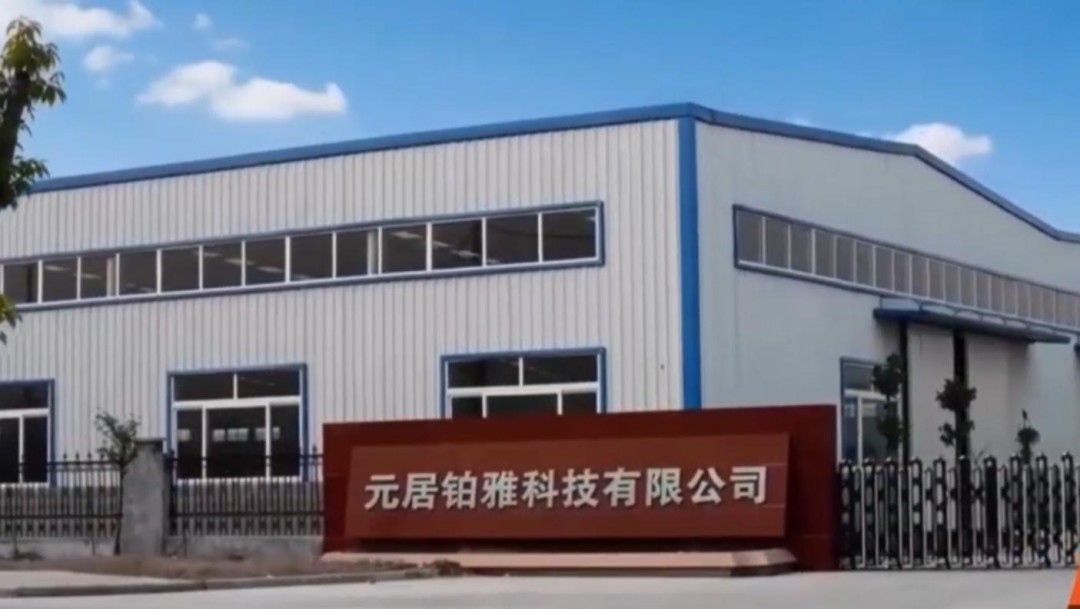
According to its company introduction, PrimeHome operates a manufacturing facility covering nearly 28,000 square meters and reports a production capacity exceeding 5,000 container units per month. The company also identifies an in-house research and development team of 11 professionals focused on customized design and product improvement. These capabilities provide a basis for supporting projects that require different layouts, specifications, and production quantities.
However, production capacity is only one factor in supplier evaluation. International purchasers should also examine material specifications, structural design, manufacturing inspections, finishing quality, packaging methods, and the availability of technical documentation. Clear communication between the buyer, manufacturer, logistics provider, and installation team can help identify potential issues before production begins.
A well-defined procurement process typically establishes the number of units, dimensions, interior configurations, utility requirements, delivery destination, and acceptance criteria in advance. For large orders, confirming production schedules and quality-control procedures is particularly important because delays or inconsistencies in individual units may affect the wider project.
Project Experience Highlights the Importance of Coordination
Large-scale modular accommodation projects demonstrate that successful delivery involves more than manufacturing individual structures. Design coordination, transportation planning, assembly guidance, and after-sales support can all affect the final outcome.
PrimeHome’s company introduction describes its involvement in accommodation provision for the Qatar World Cup. The company reports that it supplied 6,000 fully furnished container houses for the event, which were used to accommodate international fans in a Fan Village. According to the company, its responsibilities extended from initial design and precision manufacturing to logistics, on-site installation support, and technical guidance in Qatar.
This project illustrates the operational demands associated with large modular accommodation programs. When thousands of units must be prepared for a defined event or opening date, procurement teams need to coordinate production capacity, shipping arrangements, site readiness, installation procedures, and quality checks.
Such experience is relevant to buyers evaluating suppliers for workforce camps, temporary accommodation developments, tourism facilities, and other projects involving multiple modular units. Nevertheless, each project has its own requirements, and previous delivery experience should be assessed alongside current technical specifications, available resources, and the proposed implementation plan.
Customization and Local Requirements Shape Product Selection
Although standardized designs can simplify manufacturing, international projects rarely share identical requirements. Climate, building regulations, site conditions, occupancy patterns, and transportation infrastructure may differ substantially between markets.
For example, projects in hot climates may require careful consideration of insulation, ventilation, shading, and cooling systems. Colder environments may place greater emphasis on thermal performance, condensation control, and heating provisions. Coastal locations can introduce additional considerations involving corrosion protection and material durability.
Customization should therefore be addressed early in the purchasing process. Buyers can discuss room layouts, door and window positions, interior finishes, sanitary facilities, electrical configurations, and other project-specific features with the manufacturer. Any requested modification should be reviewed for structural compatibility, production feasibility, transportation constraints, and compliance with local requirements.
PrimeHome states that it works with overseas partners across Europe, the Middle East, Southeast Asia, and the Americas, adapting container configurations to different climates, regulations, and market demands. For international procurement teams, this approach highlights the importance of clear technical communication and early confirmation of country-specific requirements.
Environmental considerations also form part of the wider discussion around modular construction. Controlled manufacturing and coordinated installation may help reduce certain forms of on-site material waste, depending on project design and execution. However, the overall environmental performance of a container house also depends on material sourcing, transportation distances, insulation, operational energy use, maintenance, and end-of-life management.
Evaluating Suppliers for Long-Term Project Value
As demand for adaptable construction solutions continues to develop, buyers are increasingly required to assess suppliers through a combination of technical, commercial, and operational criteria. A competitive quotation should be evaluated in relation to the complete project scope rather than the unit price alone.
Important considerations include structural specifications, insulation performance, corrosion protection, interior fit-out, electrical and plumbing provisions, delivery terms, installation support, warranty conditions, and spare-parts availability. Buyers should also clarify which components are included in the quoted price and which require separate procurement or site installation.
For larger developments, sample inspections, drawings, material documentation, and agreed quality standards can help establish a consistent basis for production approval. A detailed delivery plan can further clarify responsibilities among the manufacturer, freight provider, local contractor, and project owner.
PrimeHome’s product range and reported manufacturing experience position prefabricated container houses within a broader portfolio of modular accommodation solutions. By combining appropriate product selection with careful technical planning and supplier evaluation, project teams can better determine whether these structures meet their functional, logistical, and budgetary requirements.
Looking Ahead: A More Adaptable Approach to Construction
Prefabricated Container Houses are contributing to the development of construction methods that prioritize manufacturing coordination, flexible layouts, and more predictable installation processes. Their suitability varies by application, but they offer an option for projects where adaptable space and coordinated delivery are important considerations.
For manufacturers and international buyers alike, the next stage of modular construction will depend on balancing standardization with customization, production efficiency with quality assurance, and rapid deployment with local compliance. As project requirements continue to diversify, reliable manufacturing, transparent specifications, and coordinated technical support will remain central to successful outcomes.
PrimeHome continues to present its modular building products for residential, commercial, and accommodation applications, with product options designed to address different project configurations and deployment needs.
Official Website: https://www.szprimehome.com/
About us
We offer an extensive product portfolio designed to meet diverse residential and commercial needs, including:
Prefabricated Container Houses
Expandable Container Houses
Container Toilets & Sanitation Units
Apple Cabins
Space Capsule Houses
Container House Building Materials
A Variety of Custom Container Houses
Leveraging state-of-the-art manufacturing facilities and a dedicated team of skilled professionals, we transform steel structures into comfortable, durable, and versatile living spaces for a worldwide clientele.
Media Contact
Company Name: Suzhou Primehome Technology Co., Ltd.
Contact Person: Media Relations
Email: Send Email
Country: China
Website: https://www.szprimehome.com/


