

Ceramic, Porcelain or Stoneware? Bima Hrvatska Explains the Differences When Choosing Dinner Plates
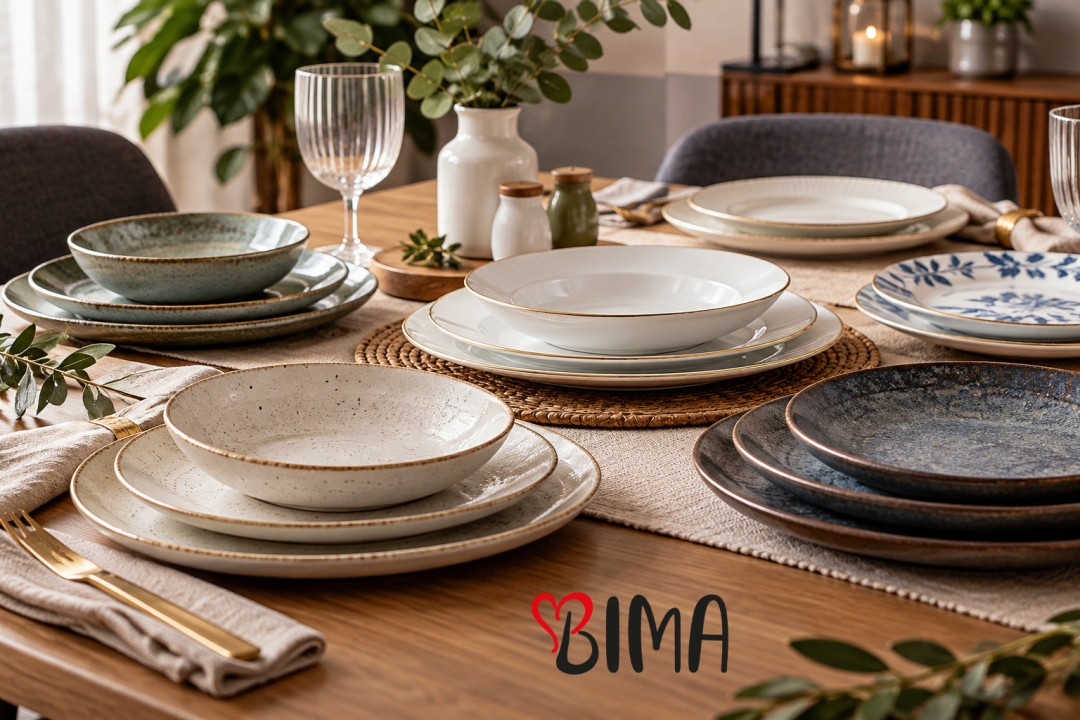
SRAČINEC, CROATIA – October 27, 2026 – Bima Hrvatska, a Croatian retailer specializing in homeware, gifts and household products, is sharing practical information to help consumers understand the differences between ceramic, porcelain and stoneware dinner plates. The guidance addresses common considerations when selecting tableware, including material composition, appearance, weight, care requirements and intended use.
Dinner plates are an essential part of everyday dining, but similar-looking products can differ in their manufacturing processes and physical characteristics. Understanding these differences can help consumers make more informed decisions when selecting individual plates or complete dinnerware sets.
Understanding Ceramic Dinner Plates
Ceramic is a broad category of materials produced from clay and other inorganic substances through firing at high temperatures. Both porcelain and stoneware belong to this category, although the term “ceramic plates” is often used in retail to describe a wider range of tableware.
Depending on the clay composition, firing temperature and glaze, ceramic dinner plates can vary considerably in weight, texture, porosity and resistance to everyday wear.
Consumers choosing ceramic plates should consider the manufacturer’s care instructions, particularly regarding dishwasher and microwave compatibility.
Bima Hrvatska offers a selection of dinner plates and tableware (tanjuri), allowing customers to explore different styles and options for everyday dining.
Porcelain Plates: Refined Appearance and Practical Use
Porcelain is a type of ceramic traditionally produced using refined raw materials, including kaolin, and fired under conditions that create a dense, relatively low-porosity body.
Porcelain dinner plates are commonly associated with smooth surfaces, a refined appearance and a range of designs suitable for both everyday meals and formal dining occasions.
Although porcelain is often perceived as delicate, properly manufactured porcelain can offer good mechanical strength. Its resistance to chipping or breakage depends on factors such as plate thickness, shape, manufacturing quality and handling.
When selecting porcelain tableware, consumers should consider whether they prefer individual plates or coordinated dinnerware sets.
Bima Hrvatska includes porcelain plates and dinnerware sets (porculanski tanjuri) within its online homeware offering.
Stoneware Plates: Texture and Everyday Versatility
Stoneware is another type of ceramic, typically fired at temperatures that produce a dense and durable body.
Stoneware dinner plates are frequently recognized for their substantial feel, varied glazes and natural-looking finishes. Their appearance can range from minimalist and uniform to textured and handcrafted.
The weight and thickness of stoneware products vary, and not all stoneware is heavier or more durable than porcelain.
As with other ceramic tableware, dishwasher, microwave and oven suitability should be verified for each individual product rather than assumed from the material alone.
What Should Consumers Consider Before Choosing Dinner Plates?
Bima Hrvatska identifies several practical considerations that can help consumers compare tableware options:
-
Intended use: Plates used for everyday family meals may have different requirements from those reserved for special occasions.
-
Material and construction: Porcelain, stoneware and other ceramics vary in composition, thickness, weight and finish.
-
Care and maintenance: Dishwasher and microwave compatibility should be confirmed through product specifications.
-
Size and storage: Plate diameter, stackability and available cabinet space can influence purchasing decisions.
-
Design and coordination: Consumers may prefer matching dinnerware sets or a combination of complementary individual pieces.
No single material is necessarily the best choice for every household. The most suitable option depends on individual preferences, practical requirements and the specifications of the selected products.
Bima Hrvatska and Its Homeware Offering
With more than three decades of experience in the Croatian retail market, Bima Hrvatska provides household products, home accessories, gifts and tableware through its physical retail network and online store.
Its tableware categories include individual plates and coordinated dinnerware sets, offering consumers options for different dining arrangements and interior styles.
The company encourages customers to review product descriptions and care information before purchasing, particularly when selecting tableware for frequent everyday use.
About Bima Hrvatska
Bima Hrvatska is a Croatian retail business with 35 years of experience in household products, home decorations and gifts. The company operates a network of 16 physical stores in Croatia alongside its online shop, bima-shop.hr. Its assortment includes tableware, kitchen accessories, decorative products and gifts for a range of occasions. Bima Hrvatska focuses on providing accessible household products through its retail and e-commerce channels.
Media Contact
Company Name: Bima
Contact Person: John Highlander
Email: Send Email
Address:Ul. Vilka Novaka 6
City: Sracinec
Country: Croatia
Website: https://bima-shop.hr/


