

Profit Pro Hairstylist Puts Smarter Salon Pricing and Profit Clarity at the Center of Independent Stylist Success
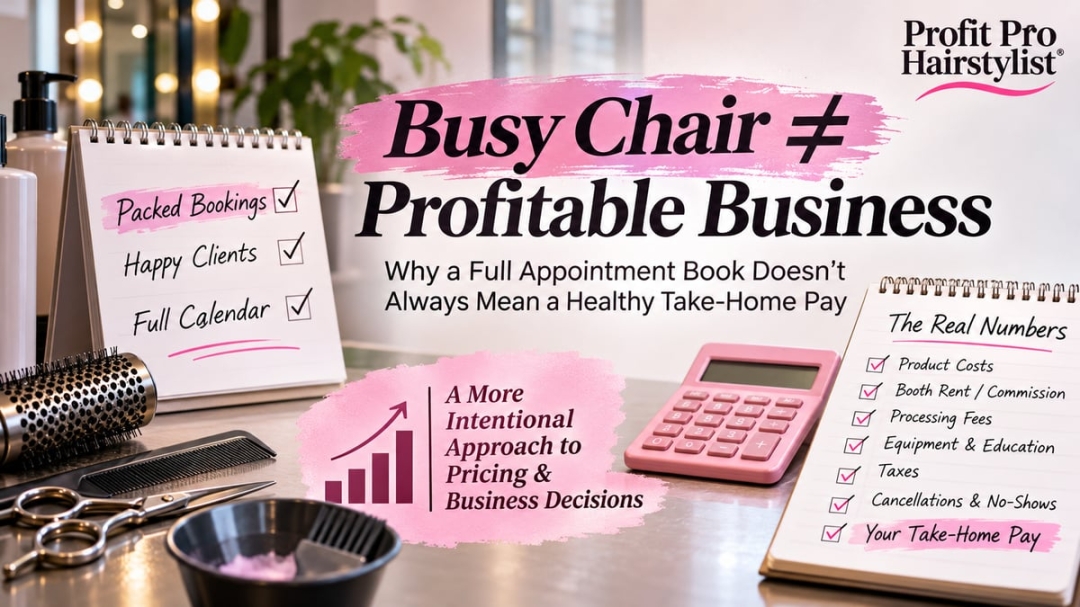
New York, United States – November 14, 2026 – For independent beauty professionals, a packed appointment book can look like success. Yet a full calendar does not automatically translate into healthy profit. Product purchases, booth rent, card processing, equipment, continuing education, taxes, cancellations and the hours spent running a business all influence the income a stylist ultimately keeps. Profit Pro Hairstylist is drawing attention to that often-overlooked gap between salon revenue and real take-home pay, emphasizing a more intentional approach to pricing and business decisions.
Why a Busy Chair Is Not the Same as a Profitable Business
Beauty services combine creative expertise with a surprisingly complex cost structure. A color appointment may require consultation, mixing, processing, washing, styling, cleaning and messages before or after the visit. Its price has to account for all of that time, not simply the minutes spent applying color. An independent stylist who charges by instinct or copies another salon’s menu may inadvertently ignore hidden costs unique to their business.
For the independent hairstylist working alone, this distinction matters even more. There may be no payroll department, finance manager or administrative team separating professional income from operating costs. Each booking can generate revenue while still leaving an insufficient contribution toward rent, savings and taxes. Understanding the difference is a foundation for more resilient decision-making.
A Better Way to Think About Hair Stylist Pricing
Pricing is one of the most emotionally difficult decisions in the salon industry. Professionals worry that increasing rates may disappoint loyal clients, especially when they have spent years building trust. Others postpone changes because their competitors appear to charge less. But competitor menus rarely reveal differences in rent, product consumption, appointment duration, experience or operating goals.
Profit Pro Hairstylist’s emphasis on hair stylist pricing encourages professionals to begin with their own numbers. A useful review separates direct service costs from fixed business expenses, estimates the true number of billable hours available and considers the income needed to sustain both the business and the person operating it. The result is not necessarily an immediate price increase. Sometimes it reveals opportunities to adjust timing, product usage, service structure or scheduling first.
From Booth Rent to Commission: Every Model Has Its Own Math
A booth rent salon, a commission-based workplace and a home-based studio may serve similar clients while operating under very different economics. Booth renters generally manage more of their own expenses, while commission stylists must understand how compensation terms affect the amount received from each service. Salon owners may also carry payroll, utilities, insurance, marketing, software and maintenance obligations that individual service providers do not.
Why Salon Business Education Matters
Technical training helps a stylist create exceptional results. Business education helps that professional maintain a sustainable practice. Both are essential, but the financial side is often learned through trial and error. Topics such as cash flow, profitable service menus, basic recordkeeping and compensation planning can feel intimidating when presented as accounting jargon rather than everyday salon scenarios.
Through its focus on profit systems and business decision-making, Profit Pro Hairstylist speaks to the need for accessible guidance. A professional exploring the role of a salon business coach may be looking for more than motivational advice. They may need a clearer method for reviewing costs, identifying pricing gaps and deciding what to change first. Learning to ask sharper financial questions is itself a meaningful first step.
Understanding the Numbers Behind Salon Profit Margin
A business can grow its sales and still experience pressure on cash flow. For that reason, the salon profit margin deserves regular attention alongside total revenue. Profit margin generally expresses profit as a percentage of revenue. Its usefulness depends on consistent definitions of costs, including whether owner compensation and taxes are being treated appropriately for the particular comparison.
For example, a stylist reviewing monthly numbers might group expenses into rent, products, software, marketing, fees, education and other overhead. They could then compare the cost of delivering each service against its price and examine which appointments contribute most effectively to covering fixed expenses. This process can expose services that appear popular but produce less financial return than expected.
Tools and Calculators Can Start Better Conversations
For professionals exploring a hairstylist calculator, useful inputs may include working days, bookable hours, average service time, product cost, rent and the amount reserved for personal income and taxes. Repeating the exercise after changes in demand or expenses can help prevent yesterday’s rates from becoming tomorrow’s problem. Profit Pro Hairstylist’s storefront directs attention to this kind of cost and income awareness.
Building a Business Plan Around the Life Behind the Chair
A useful hair salon business plan should connect financial goals with everyday operations. It can identify an intended client base, core services, realistic capacity, recurring expenses, client retention practices and the cash needed to withstand slower periods. For a solo professional, the plan does not have to be lengthy. It simply needs to guide decisions instead of collecting dust.
Profit Pro Hairstylist’s message is ultimately about visibility: knowing what it costs to work, what each appointment contributes and what remains after obligations are met. For a profession built on creative skill and personal relationships, that knowledge can give business decisions a firmer foundation.
Frequently Asked Questions About Hairstylist Pricing and Profit
How much do hairstylists make after expenses?
Take-home income varies by service prices, bookings, employment model and expenses. Subtract product costs, rent or commissions, payment fees, taxes and other obligations from revenue to estimate what remains.
How should an independent hairstylist calculate service prices?
Start with product consumption, appointment time, overhead, taxes and a realistic income goal. Account for nonbillable work and cancellations, then compare the resulting price with client demand and service value.
What is a healthy salon profit margin?
There is no universal percentage that fits every salon. A useful margin reflects the business model, owner compensation, fixed expenses and local market. Track profit against revenue consistently, rather than relying on sales alone.
Is booth rental or salon commission more profitable?
Neither arrangement is automatically better. Booth rental offers greater control but often increases direct expenses. Commission work may reduce some overhead. Compare expected bookings, deductions, benefits and net income under each option.
What should a salon pricing calculator include?
Useful inputs include average service duration, product cost, rent, fees, working hours, utilization, taxes and desired earnings. The output is an estimate to review and adjust, not a guarantee of profitability.
What belongs in a hair salon business plan?
Include target clients, services, pricing, booking capacity, projected revenue, recurring expenses, marketing, cash reserves and measurable goals. Revisit assumptions as costs, demand and business priorities change.
About Profit Pro Hairstylist
Profit Pro Hairstylist is a salon-business education brand focused on helping hairstylists better understand expenses, service costs, pricing, taxes and take-home income. Its online presence includes a Shopify website and a complementary storefront that outlines its pricing-and-profit learning focus. Readers can explore the brand’s available resources and product information through its official websites.
Media Contact
Company Name: Profit Pro Hairstylist
Contact Person: Media Relations
Email: Send Email
City: New York
Country: United States
Website: https://profitprohairstylist.com


