

Rose Enzyme Powder Buyers Focus on Supplier Selection and Product Quality
Xi’an, Shaanxi, China-November 21, 2026
So here’s the thing—picking the right Rose Enzyme Powder supplier isn’t just about comparing prices or skimming a slick product sheet. That name can mean a lot of different things, honestly. Different formulations, processing methods, even intended uses. What you really want is a supplier who actually tells you what’s in the powder and backs it up with clear, batch-specific documentation. The little details? They matter more than you’d think.Here’s a thought: Juran’s principle, ‘Quality is fitness for use,’ really hits the nail on the head. So when you’re looking at Rose Enzyme Powder, the real question is whether it actually works for what you need—not just whether the specs look good on paper. So don’t just skim the brochure. You want to ask for the botanical identity, the full ingredient list, enzyme activity data if it’s relevant, and a recent certificate of analysis. And here’s the kicker: make sure those documents actually refer to the batch you’re testing, not just some generic info. That’s the difference between trusting the label and knowing the truth. It’s worth asking the supplier how they actually keep an eye on moisture, storage conditions, and product stability over time. I mean, a certificate can look totally solid on paper and still leave you with a bunch of unanswered questions.Honestly, talking to suppliers can tell you just as much as their paperwork—sometimes even more. You want to ask how they keep specs consistent from batch to batch, and what actually happens if results fall outside those specs. Also see whether the technical staff can explain things in plain English. If you get vague answers, that’s worth a second look. Same with any claims they can’t tie to test records or a defined method. Sure, a sample can help you judge color, texture, smell, and performance, but one sample doesn’t prove they can keep that up over the long haul. For that, you need evidence.Okay, so this guide is basically here to help you really think through suppliers—not just glance at prices. We’ll look at everything from traceability and quality checks to how they communicate and whether they actually deliver on time. Here’s the thing: no supplier is flawless. The real question isn’t ‘are they perfect?’ but ‘are their evidence, processes, and limitations clear enough for what you need?’

Define Your Rose Enzyme Powder Requirements
Before comparing suppliers, define how the rose enzyme powder will be used. A rinse-off cosmetic, a mask, and a dry blend may need different activity levels, particle sizes, and dispersibility. Specify the product format, expected use rate, and processing temperature. Small details matter. If the powder will meet water during production, ask how quickly it disperses and whether it forms visible clumps.Set measurable requirements rather than asking for “high quality.” Request the enzyme activity range and the test method used to measure it. Also define acceptable limits for moisture, appearance, odor, and particle size. It is tempting to request the highest activity, but that may not suit your formula or cost target. I have seen specifications become difficult to compare when units are missing. Ask for evidence. A sample certificate of analysis can show whether the supplier reports results by batch and identifies the testing methods.Consider storage and supply needs before approving a sample. Confirm recommended temperature, shelf life, packaging size, and protection from humidity. Ask whether the supplier can provide batch traceability and stability data for the stated storage conditions. If the powder is intended for a regulated product category, check that its documents match your market and application. Do not assume a generic specification covers every use. Record any unresolved questions, especially when the sample behaves differently from the written description.
| How to Choose the Best Rose Enzyme Powder Supplier? – Define Your Rose Enzyme Powder Requirements | |||
|---|---|---|---|
| Requirement | Example Buyer Specification | Why It Matters | How to Verify with the Supplier |
| Intended application | Cosmetic formulation; specify whether the powder is for rinse-off or leave-on products. | Application affects ingredient selection, safety review, testing, and regulatory requirements. | Request the technical data sheet, recommended use level, and application guidance. Confirm suitability for the target market. |
| Rose identity and plant part | Require the botanical name, plant part, country of origin, and a clear description of the rose-derived material. | “Rose enzyme powder” is not a single standardized ingredient; the source and composition can vary. | Check the product specification, botanical identification details, and traceability documentation. |
| Enzyme identity and activity | Specify the enzyme type and a minimum activity level in units per gram, measured by a named assay method. | Activity units and test methods are not interchangeable, so a clear assay is necessary for meaningful comparisons. | Ask for the assay procedure, activity limits, and a batch-specific certificate of analysis (COA). |
| Appearance and odor | Define an acceptable powder color, texture, and odor based on approved samples. | Changes may indicate differences in raw material, processing, or storage conditions. | Review a representative sample and compare it with the supplier’s written specification. |
| Moisture content | Set a maximum moisture limit appropriate to the product, such as no more than 5% if supported by stability data. | Excess moisture can affect powder flow, storage stability, and enzyme activity. | Request the test method and verify the result on the COA for each production lot. |
| Solubility or dispersibility | State the required behavior in the intended formulation, such as dispersible in the chosen water phase at a defined temperature. | Powder handling and dispersion influence manufacturing and the consistency of the finished product. | Conduct a bench test using the intended base and mixing conditions; request supplier handling instructions. |
| Microbiological quality | Set limits that match the product category, destination-market rules, and internal quality standards. | Microbiological requirements depend on intended use and applicable regulations; one limit should not be assumed for every product. | Request current microbiological results and the applicable test methods. Confirm the limits with your regulatory or quality team. |
| Contaminants and safety documents | Define relevant contaminant limits and request a safety data sheet, allergen statement, and other applicable declarations. | Documentation helps assess suitability for the formulation and supports supplier qualification. | Review current documents and confirm that testing and declarations cover the actual supplied material. |
| Packaging and storage | Require a sealed, moisture-protective package with lot identification and stated storage conditions. | Enzymes can be sensitive to moisture, heat, and unsuitable storage. | Check packaging details, storage instructions, and whether transport conditions are specified. |
| Shelf life and stability | Set a minimum remaining shelf life at delivery and require a supported expiry or retest date. | Enzyme activity may decline during storage, so shelf life should be supported by relevant stability data. | Request stability information and confirm how activity is monitored over the stated shelf life. |
| Batch consistency and traceability | Require a COA for each lot, consistent specifications, and traceability from raw material to finished product. | Consistent batches are important for reproducible formulation and quality control. | Review sample COAs from multiple lots and ask about change-control and complaint procedures. |
| Supply and purchasing needs | Define trial quantity, expected order size, lead time, and forecasted annual demand. | These requirements help assess whether a supplier can support both development and ongoing production. | Request written details for sample availability, minimum order quantity, lead time, and supply continuity. |
Assess Supplier Experience and Product Expertise
A supplier’s experience should be visible in the details, not just a long company history. Ask how they source rose material and manage differences between harvests. Can they explain their fermentation steps in clear, practical terms? A knowledgeable team should discuss processing conditions, batch records, and how it identifies the finished ingredient. Keep it specific. Ask what changes when the raw material varies.
Product expertise also means knowing what the documentation can—and cannot—prove. Request a specification sheet, recent batch results, and information about identity, stability, and storage. For Austech Fermented Rose Extract, ask which tests support the stated composition and whether results can be linked to a particular batch. The answers should match the documents. If technical language feels vague, ask for a plain explanation.
A sample can reveal useful differences. Compare its color, aroma, and handling with the written specification, then ask how the supplier investigates a mismatch. Small inconsistencies matter. They may have a reasonable explanation, but it should be recorded and testable. Experience is harder to judge from a brochure. Ask to speak with a technical contact, and notice whether they answer directly or promise details they cannot provide.
Verify Quality Systems and Manufacturing Standards
A dependable rose enzyme powder supplier should show how quality is controlled, not just provide a polished certificate. Ask for the current quality manual, audit scope, and corrective-action records. Check whether the audited site actually makes or handles the powder. For each batch, review a certificate of analysis with enzyme activity units, moisture, microbial limits, and relevant contaminant results. Confirm the test method and whether an independent laboratory verified the results.
WHO’s 2015 foodborne disease estimates attributed 600 million illnesses and 420,000 deaths annually to contaminated food. That figure covers food broadly, not rose enzyme powder, but it underlines why hygiene controls and traceability matter. Request batch records linking incoming rose material to finished powder, plus cleaning logs and equipment-calibration records. A small mismatch in a lot code can complicate a recall. Paperwork is not proof.
ISO’s 2022 Survey recorded 52,006 ISO 22000 certificates worldwide. Certification can indicate a documented food-safety system, but it does not confirm a particular product’s enzyme potency or purity. Ask to see the certificate’s scope and expiry date, then compare its site address with the production records. A supplier that explains a failed test and its corrective action may be more credible than one offering perfect-looking paperwork. I would still verify the first shipment independently.
Review Rose Sourcing and Ingredient TraceabilityHow to Choose the Best Rose Enzyme Powder Supplier?Review Rose Sourcing and Ingredient Traceability
Rose ingredients can vary with growing conditions, harvest timing, and drying methods. Ask a supplier to identify the country or region of origin and explain how each batch is tracked. Details matter. A clear lot code should connect the raw material to processing records and the finished product, not just appear on a label.
Request documentation that matches the ingredient you plan to buy. This may include a specification sheet, a recent certificate of analysis, and information on identity and quality testing. Check whether the documents show the same product name, lot number, and test date. Ask how the supplier handles changes in farms or processing sites. A polished certificate is not proof by itself. It should be current, specific, and verifiable.
If the supplier also offers Fruit Enzyme Powder, review its sourcing records separately; traceability for one ingredient does not establish traceability for another. Ask what records are retained and how discrepancies are investigated. Then compare the answers with the physical sample, including color, aroma, and texture. These observations cannot replace laboratory testing, but they can flag questions early. Some suppliers may have gaps in older records. That deserves an honest explanation, not a vague promise.
Compare Testing Methods and Product Documentation
A reliable rose enzyme powder supplier should explain how each batch is tested, not just provide a polished certificate. Ask whether the laboratory checks identity, enzyme activity, moisture, and relevant microbial or contaminant limits. The method matters: activity results are useful only when the test procedure, units, and acceptance range are clear. Request a batch-specific certificate of analysis, plus a sample report showing actual results. Small details count. A result without a method is hard to compare.Product documentation should connect the tested sample to the material you receive. Look for a specification sheet, ingredient statement, lot number, manufacturing date, and recommended storage conditions. Ask how samples are collected and whether testing is performed in-house or by an independent laboratory. If a formula also includes Co Enzyme, confirm that the documents identify each ingredient separately; one broad blend description can obscure what was tested. A neat file can still leave gaps. Check that document dates match the current product, and ask how changes to the process are recorded. Not every supplier will have perfect paperwork, but clear answers and traceable records make evaluation more dependable.
How to Choose a Rose Enzyme Powder Supplier
Compare what each test can verify. A value of 1 means the method can provide primary evidence for that attribute; 0 means it cannot establish it on its own.
What to look for: Request a batch-specific certificate of analysis (COA) with methods, results, units, and acceptance limits. Activity assays verify functional potency; identity testing, microbial and heavy-metal testing, and stability studies address different questions. Confirm the supplier’s methods are appropriate for the product and that the documentation covers the batch you are buying.
Evaluate Pricing, Supply Reliability, and Customer Support
When comparing rose enzyme powder suppliers, look beyond the price per kilogram. Request a written quote that separates product cost, packaging, testing, shipping, and any minimum-order fees. Then compare the same specification across suppliers, including enzyme activity, moisture level, batch documentation, and sample lead time. A low quote can hide a costly mismatch. I would not treat it as a win until the sample and paperwork agree.
Supply reliability deserves equal weight. The World Bank’s 2023 Logistics Performance Index assessed 139 economies across six areas, including shipment tracking and timeliness. Use that framework in practical questions: Can the supplier share recent delivery records? Is each batch traceable? What happens if a shipment is delayed or a test result falls outside specification? Ask for a realistic lead time, not just an optimistic estimate. Small details matter, like whether a support contact replies with a revised dispatch date or only a generic assurance.
Customer support is part of product quality. Test it before ordering: send a technical question about storage, batch consistency, or the meaning of a certificate of analysis. Clear answers help you assess the supplier’s expertise, but polished replies alone prove little. For a Q10 Enzyme ingredient comparison, keep specifications and test methods consistent; otherwise, the numbers may not be comparable. One uncomfortable point: even a careful checklist cannot predict every disruption. Keep a backup source under review, and record where your assumptions may be weak.
Blueberry Powder: Anthocyanin, Antioxidant & Eye-Health Trends—Insights from Grand View Research’s Berry Market Report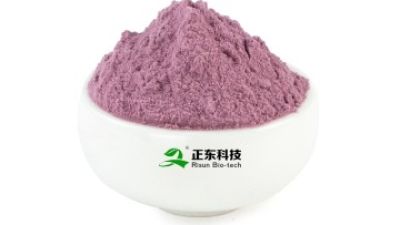
Blueberry Powder | Natural Anthocyanin Concentrated Juice Powder & Antioxidant & Eye Protection
Blueberry powder is gaining attention as consumers look for convenient ways to add berry ingredients to foods and beverages. Grand View Research estimated the global blueberry market at approximately USD 2.3 billion in 2023 and projected a 5.6% compound annual growth rate from 2024 to 2030. Its market analysis points to health-conscious purchasing and demand for convenient berry products as growth drivers. Anthocyanins—the pigments responsible for blueberries’ deep color—are also studied for their antioxidant activity, helping explain consumer interest in blueberry-based ingredients.Eye-health messaging is part of this trend, but it should be presented responsibly: research into anthocyanins and visual function is ongoing, and blueberry powder should not be described as preventing or treating eye conditions. Powder offers a shelf-stable, versatile format for smoothies, drinks, and other products, while its anthocyanin content can vary with fruit selection and processing. For buyers evaluating supply, production in GMP workshops, compliance with EU standards, and 20 years of experience supplying supplement raw materials can help inform quality and sourcing decisions.
Conclusion
Choosing the right Rose Enzyme Powder supplier starts with defining your needs, including the intended application, desired specifications, order volume, and packaging requirements. Look for a supplier with relevant experience and a clear understanding of the product, then assess its quality systems, manufacturing controls, and consistency between batches. Reliable sourcing practices also matter: ask how rose ingredients are selected, documented, and traced from their origin through production.Before making a decision, review the supplier’s testing methods and available product documentation, such as specifications and batch records. Compare pricing in the context of product quality, minimum order quantities, lead times, and the supplier’s ability to maintain dependable supply. Responsive customer support can help resolve questions and keep future orders on track. By evaluating these factors together, you can choose a supplier that aligns with your requirements and provides confidence in the quality and reliability of its Rose Enzyme Powder.
About Us
Risun Bio-Tech Inc was established in 2014, headquartered in Xi’an. It is a technology oriented enterprise specializing in the research and development, production, and sales of natural plant extracts. Focusing on functional foods, health products, cosmetics, and pharmaceuticals. Each department of Risun is lead by professional technical personnel and experts with over fifteen years of industry experience in research and development, production, and sales. They continuously strive for innovation and improve quality control. They have obtained ISO9001 quality management system certification, HACCP hazard analysis and critical control point system certification, and food production license(SC).
Media Contact
Company Name: Risun Bio-Tech Inc
Contact Person: Media Relations
Email: Send Email
Country: China
Website: https://www.risunextract.com/


